
Plants
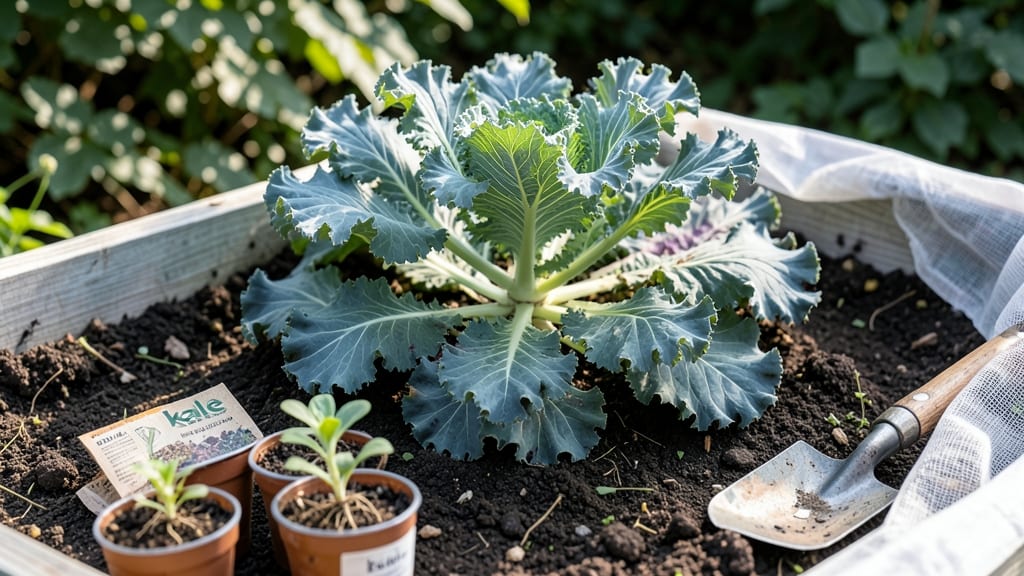
Northern California microclimate planting zones for kale: coastal vs. inland timing
Northern California’s diverse microclimates create unique challenges—and opportunities—for growing kale. Coastal areas like San Francisco and Santa Cruz enjoy milder winters with fog protection, while inland valleys (e.g., Sacramento or Stockton) face hotter summers and earlier frosts.
Understanding these zones is key to timing your kale planting for maximum harvests.
For coastal regions, the last frost date typically falls around December 15, giving you a longer growing window. Inland areas, however, often see frost by November 15, requiring earlier starts. Let’s break down the best planting windows for each zone to avoid frost damage and heat stress.
🌱 Northern California Kale Planting Zones: Coastal vs. Inland
| Zone | Spring Planting Window | Fall Planting Window | Heat-Tolerant Varieties | Frost Risk |
|---|---|---|---|---|
| Coastal (San Francisco, Santa Cruz) | February 15 – March 31 | August 1 – September 30 | ‘Lacinato’ (less heat-sensitive) | Low (fog protection) |
| Inland Valleys (Sacramento, Stockton) | February 1 – March 15 | July 15 – August 15 | ‘Winterbor’ (cold-hardy) | High (earlier frost) |
| North Coast (Redwood Region) | March 1 – April 15 | August 15 – October 1 | ‘Dwarf Blue Curled’ (compact) | Moderate (cooler nights) |
💡 Pro Tip: Inland areas should prioritize shade cloth in summer to prevent bolting (premature flowering).
In coastal zones, you can push your fall planting later than inland areas thanks to the marine layer delaying frost. For example, Santa Cruz gardeners can sow seeds as late as September 30 and still harvest before winter.
Meanwhile, Sacramento’s hotter summers mean you’ll need to start seeds indoors by July 15 to avoid heat stress.
For spring planting, coastal regions can wait until mid-February, while inland areas should start by early February to beat the heat. Choose heat-tolerant varieties like ‘Vates’ or ‘Red Russian’ for inland gardens, as they handle 90°F+ temperatures better than standard types.
If you’re in a high-altitude area (e.g., Sierra foothills), aim for July-August planting to ensure maturity before October frosts. Use row covers to extend your harvest window by 2-3 weeks in fall.
Always check your local USDA Zone (typically 8a-9b in Northern California) and monitor frost forecasts via National Weather Service alerts. A frost-free window of 240 days is ideal for kale, but microclimates can shift this by 30+ days.
For container growing, coastal gardeners can plant 6-8 weeks later than ground planting, as pots warm up faster. Inland containers, however, need shade cloth and daily watering to prevent bolting.
Remember: Soil temperature matters too! Kale thrives in 50-75°F soil. Use a soil thermometer to confirm readiness—especially in inland valleys where soil heats up faster.
Northern California microclimate planting zones for kale: coastal vs. inland timing
Northern California’s diverse microclimates create dramatic differences in kale planting windows. Coastal areas like San Francisco and Santa Cruz enjoy milder winters, while inland valleys such as Sacramento and Stockton face earlier frosts. Understanding these zones ensures your kale thrives year-round.
For coastal regions (USDA zones 9a-9b), your last frost date typically falls around December 15, allowing for fall plantings until October. Inland areas (zones 8a-8b) experience frost as early as November 15, so aim to plant by early September.
Here’s how to align your planting with Northern California’s three key microclimates:
| Region | USDA Zone | Fall Planting Window | Spring Planting Window | Frost Risk |
|---|---|---|---|---|
| Coastal (SF Bay Area, North Coast) | 9a-9b | August 15–October 15 | February 15–March 15 | Low (Dec 15) |
| Inland Valleys (Sacramento, Stockton) | 8a-8b | July 15–September 15 | January 15–February 15 | High (Nov 15) |
| High Altitude (Sierra Foothills) | 7b-8a | June 15–August 15 | January 1–February 10 | Very High (Oct 15) |
For coastal gardeners, ‘Winterbor’ kale is ideal—it tolerates light frosts and sweetens after frost. Inland growers should opt for heat-tolerant varieties like ‘Red Russian’, which handles 90°F+ temperatures better than most.
Pro tip: Use row covers to extend your fall planting window by 3–4 weeks in inland areas. This protects young plants from unexpected early frosts while still allowing sunlight to reach the leaves.
Timing your spring plantings is equally critical. Coastal areas can start seeds as late as March 15, while inland regions should begin by February 1 to avoid heat stress in summer. Always check your local frost dates—they can vary by 10+ days even within the same city!
🥬