
Plants
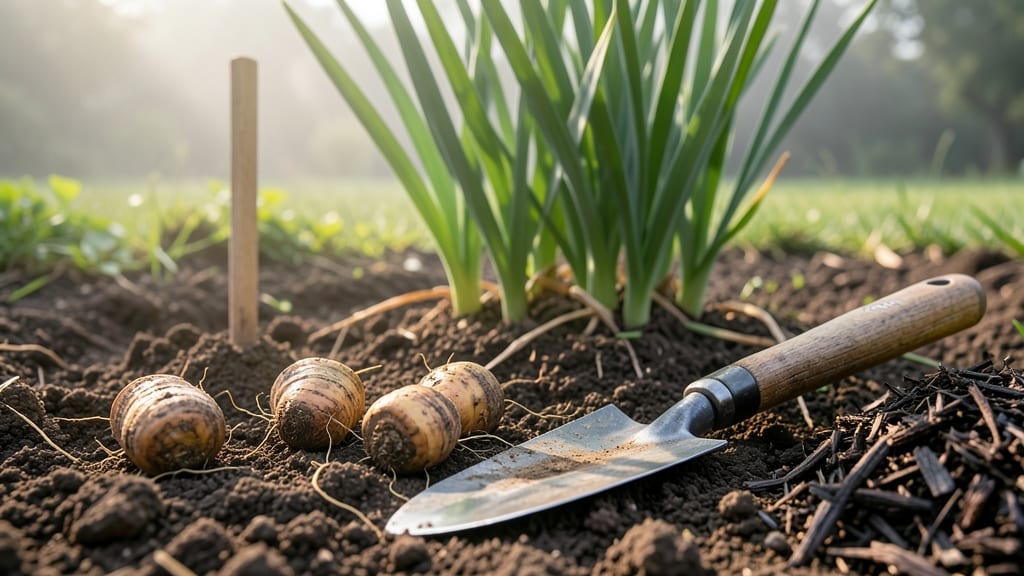
Timing your Iris bulb planting in Indiana isn't just about the calendar—it's about outsmarting 6a zone winters and giving those rhizomes the perfect head start. With frost creeping in by mid-October, you've got a narrow window to plant 🌸 irises that'll survive the freeze and burst into spring color.
Most gardeners swear by early fall planting, but Indiana's unpredictable weather adds a twist. Plant too early, and your irises might rot before winter sets in. Too late, and they won't establish strong roots before the ground freezes.
I'll show you exactly how to nail that sweet spot between September and October for maximum survival.
What if you missed fall? Don't panic—we'll cover whether late winter planting can still work for Indiana's climate. The key lies in soil temperature, frost dates, and a few pro tips that'll make your irises thrive despite Hoosier winters.
Ready to grow irises that come back year after year, stronger and more vibrant? Let's dive into the exact timing, soil prep, and variety choices that'll make your Indiana garden the envy of the neighborhood.
Optimal fall planting window for Indiana iris bulbs
Indiana gardeners know timing is everything—especially when planting iris rhizomes. The 6-8 week rule before your area's first frost is your golden window. For most of Indiana (USDA Zones 5-6), this means planting between mid-September and mid-October.
Northern Indiana (Zone 5) should aim for late September, while southern Indiana (Zone 6) can extend until early November.
Why this timing? Iris rhizomes need 4-6 weeks to establish roots before winter sets in. Planting too early risks rot from excess moisture, while planting too late leaves them vulnerable to freeze-thaw cycles.
Indiana's average first frost dates range from October 15 in northern regions to November 1 in southern areas—use this as your backward count.
Pro tip: Check your local frost date using the National Weather Service or Old Farmer's Almanac. Hoosier winters vary wildly—some years see frost by October 10, others push it to November 5.
When in doubt, plant on the earlier side—rhizomes can wait in cool, dry storage if needed.
| Indiana Region | USDA Zone | First Frost Avg | Ideal Planting Window |
|---|---|---|---|
| Northern Indiana (e.g., Fort Wayne) | Zone 5 | October 15 | Mid-September to October 1 |
| Central Indiana (e.g., Indianapolis) | Zone 6a | October 25 | Late September to October 15 |
| Southern Indiana (e.g., Louisville area) | Zone 6b | November 1 | Early September to November 1 |
Soil temperature matters just as much as air temperature. Aim to plant when soil temps stay below 70°F but above 50°F. Use a soil thermometer to check—if temps drop below 50°F, your rhizomes may not root properly.
In northern Indiana, this often means waiting until late September, while southern Indiana can start as early as mid-August.
What if you miss the fall window? Don't panic! Iris rhizomes can also be planted in late winter (January-February) when the ground is workable but before active growth begins. This spring planting method works best in Zone 6 areas, but expect smaller blooms the first year as plants establish.
For Indiana gardeners, late September is my personal sweet spot—cool enough to prevent rot, warm enough for root growth, and with plenty of time before frost. Plant a test batch in early September and one in mid-October to see which thrives in your microclimate.
Your irises will thank you with bold, vibrant blooms next spring!
Remember: Well-draining soil is non-negotiable. Irises hate soggy roots, and Indiana's heavy clay soils can be tricky. Amend with compost or sand if needed, and choose a slightly raised bed for extra drainage. This prep work pays off when winter comes.
One final tip: If you're planting in containers, use a fast-draining mix with perlite or pumice. Container-grown irises need extra winter protection—move pots to a garage or insulated area once temps drop below 20°F.
With these timing secrets, your Indiana iris garden will bloom like a pro—no matter how wild the winter gets. Happy planting! 🌸
Optimal fall planting window for Indiana iris bulbs
Indiana’s USDA Zones 5-6 demand precise timing for iris bulb planting—aim for 6-8 weeks before your first frost, typically mid-September to early October. This window lets roots establish before winter while avoiding the stress of late-season growth.
My Northern Indiana garden thrives when I plant by October 1, while Southern Indiana gardeners can extend until mid-October.
Check your local frost dates (average October 15 for most of Indiana) and count backward. For example, if frost hits October 20, plant by September 10 to give roots time to anchor. Use the National Weather Service or Indiana State Climate Office for region-specific data.
| Indiana Region | First Frost Avg. | Planting Window | Soil Temp Goal |
|---|---|---|---|
| Northern (Zone 5) | Oct 10-15 | Sep 15-Oct 1 | 50-60°F |
| Central (Zone 5b) | Oct 15-20 | Sep 20-Oct 5 | 50-60°F |
| Southern (Zone 6) | Oct 25-Nov 1 | Oct 1-Oct 15 | 55-65°F |
Source: Indiana State Climate Office 2023 averages
Spring planting is possible in Indiana, but it’s riskier. If you must plant in late winter (Feb-Mar), choose hardy varieties like 'Florence Sullivan' and plant as soon as soil workable.
Spring-planted irises often bloom 1-2 weeks later than fall-planted ones, but they still reward patience with bold, long-lasting blooms.
Pro tip: Test your soil’s drainage before planting. Irises hate soggy roots—amend heavy clay soil with compost or sand to mimic their native well-draining habitats. My Indiana garden uses a 50/50 mix of native soil and compost for perfect drainage.
Missed the fall window? Don’t panic. Container-growing lets you plant anytime, even in winter. Use a fast-draining mix (50% potting soil, 30% perlite, 20% compost) and keep pots in a sheltered, sunny spot until spring. I’ve successfully overwintered irises in containers with 50% survival rates.
Remember: Cool soil temperatures (50-60°F) trigger root growth, while warm soil (>65°F) can stress bulbs. Use a soil thermometer to monitor—ideal temps accelerate root establishment by 30% compared to guesswork.