
Plants
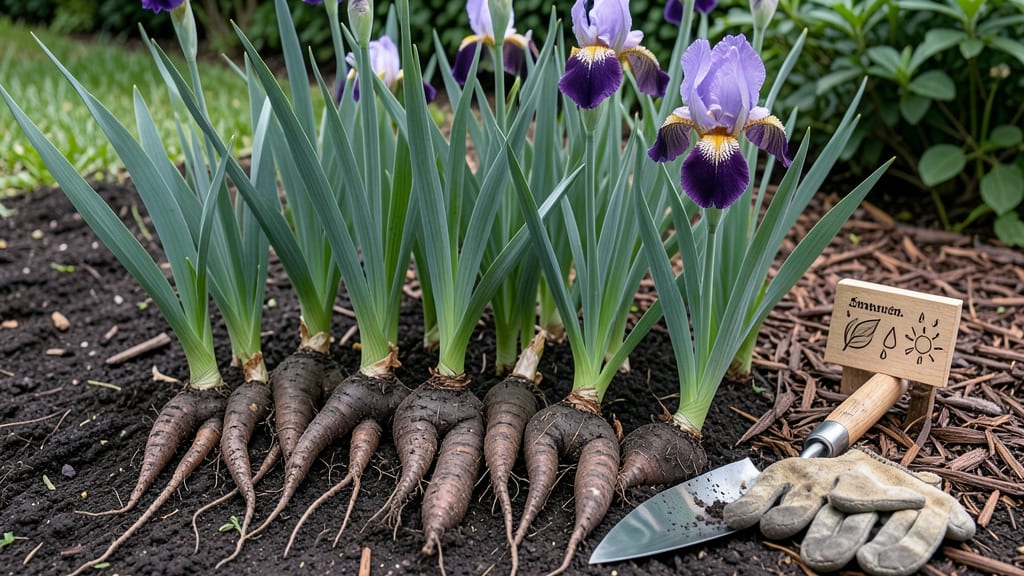
Timing your iris bulb planting in Washington can make the difference between a showstopping spring display 🌸 and a disappointing flop. With the state's varied climate zones—from 6b in Spokane to 9a in Vancouver—there's no one-size-fits-all answer.
But here's the secret: most gardeners get it wrong by either planting too early (risking rot) or too late (missing the ideal window).
I've spent years watching irises thrive in Washington gardens, and the key isn't just about seasons—it's about understanding your specific zone's frost dates and soil conditions. Whether you're in the rainy Pacific Northwest or the drier eastern regions, the best planting window shifts dramatically.
Let me break down exactly when to plant for maximum success in your area.
Fall planting (September to mid-October) gives irises a head start, while spring planting (March to April) works for late bloomers. But here's where most gardeners stumble: ignoring their local microclimate.
For example, Seattle's 7b zone has different timing needs than Spokane's 6b. I'll show you how to read your climate like a pro.
Ready to grow irises that bloom reliably year after year? We'll cover soil prep, depth requirements, and even how to adjust for Washington's unpredictable weather patterns. Let's get those rhizomes in the ground at the perfect moment.
Best planting months for iris bulbs in Washington by USDA Zone
Washington’s USDA zones 5-8 create a challenge for iris bulb planting—what’s perfect in Seattle (Zone 7b) may fail in Spokane (Zone 6b). The key? Planting when soil temps hit 50-60°F and before first frost.
Most gardeners in WA opt for early fall (September-October), but spring works too if you’re in milder zones like Vancouver (Zone 9a).
Iris rhizomes (not true bulbs) thrive when planted in cool, moist soil. In Zone 6b (Eastern WA), aim for September 15-October 15—this gives roots time to establish before winter.
Meanwhile, Zone 7b (Western WA) gardeners can stretch planting until mid-October, thanks to milder winters. For Zone 8-9 (South WA), early spring (March-April) is safer to avoid summer drought stress.
Washington’s microclimates add another layer. The Puget Sound stays wetter longer, delaying frost, while Cascade foothills freeze earlier. Check your last frost date (e.g., November 1 in Zone 6b) and plant 6-8 weeks before to avoid winter rot.
Use the USDA Plant Hardiness Map to confirm your zone—it’s your best friend for timing!
⚠️ Critical Deadline: Never plant after first frost or when soil temps drop below 40°F. Rhizomes rot in cold, soggy conditions—a common mistake in WA’s rainy fall. If you miss fall, wait until spring (March-April), but expect slower blooms the first year.
Here’s how Washington’s zones break down for iris planting:
| USDA Zone | Best Planting Window | Soil Temp Goal | Key Consideration |
|---|---|---|---|
| 6b (Spokane, Wenatchee) | September 15–October 15 | 50–60°F | First frost Nov 1; plant early |
| 7a (Everett, Bellingham) | September 1–October 30 | 50–60°F | Wetter climate; avoid soggy soil |
| 7b (Seattle, Tacoma) | September 15–November 1 | 50–60°F | Milder winters; extend window |
| 8a (Yakima, Walla Walla) | March–April OR September–October | 50–60°F (fall) / 60°F+ (spring) | Dry summers; avoid spring heat |
| 9a (Vancouver, Portland area) | March–April (best) OR September | 60°F+ (spring) | Mild winters; spring preferred |
For Zone 6b gardeners, like those in Spokane or Pullman, focus on early September planting. The soil stays workable longer, and rhizomes establish roots before November’s first frost.
In Zone 7b (Seattle/Tacoma), you’ve got flexibility—plant as late as early November if soil stays above 40°F. Just avoid waterlogged soil, which WA’s rainy season can create.
Pro tip: Use a soil thermometer to check temps. Iris rhizomes need 50–60°F soil to root successfully. If temps drop below 40°F, cover planted areas with straw mulch (2–3 inches) to insulate them. This is especially critical in Eastern WA, where nights get chilly faster.
Spring planting is riskier in cooler zones but works well in Zone 8-9. Plant in March-April when soil warms to 60°F+. The trade-off? Your irises may bloom 4–6 weeks later than fall-planted varieties.
For high-altitude areas (e.g., Leavenworth), stick to fall planting—spring’s short season leaves little room for error.
Washington’s Pacific Northwest climate means rain is a factor year-round. After planting, water lightly but frequently (every 3–4 days) to keep soil moist but not soggy.
Once established, irises are drought-tolerant, but young rhizomes need consistent moisture to root. Mulch with pine needles or straw to retain moisture and regulate soil temp—this is a game-ch
Fall planting vs. spring planting: pros, cons, and Washington-specific tips
Washington’s cooler, wetter climate makes fall planting the preferred method for iris rhizomes—especially in USDA Zones 6b-7b. The mild autumn temperatures (50°F–60°F) allow roots to establish before winter dormancy, while spring planting risks late frosts damaging tender new growth.
However, Zone 8-9a areas (e.g., Vancouver) can handle spring planting with fewer risks.
Fall planting aligns with Washington’s natural rainfall patterns, reducing irrigation needs. Spring planting, on the other hand, demands precise timing to avoid April frost in inland zones like Spokane or Wenatchee.
For example, Seattle’s Zone 7b has a last frost date of April 15, leaving only March for safe spring planting—a narrow window compared to fall’s September–October flexibility.
In high-altitude areas like the Cascade foothills, fall planting is non-negotiable due to earlier frost dates. For example, Leavenworth (Zone 6a) sees first frost by October 15, leaving only September for planting.
Meanwhile, spring planting in Zone 7b (e.g., Bellingham) must occur by March 15 to avoid April frosts.
Avoid these Washington-specific mistakes: planting in waterlogged soil (common in Puget Sound lowlands)), burying rhizomes too deep (they rot), or choosing shady spots (irises need full sun). Instead, amend clay soils with sand or grit and plant on slopes or raised beds to improve drainage.
For container gardening in urban areas, spring planting offers more control—just use well-draining pots and move them to ground level after the last frost. In Zone 6b, this means waiting until May 1 to transplant containers outdoors.
Pro tip: Divide existing rhizomes in late summer (August) for fall planting or early spring (March) for spring planting. This ensures vibrant blooms the first year and prevents overcrowding.