
Plants
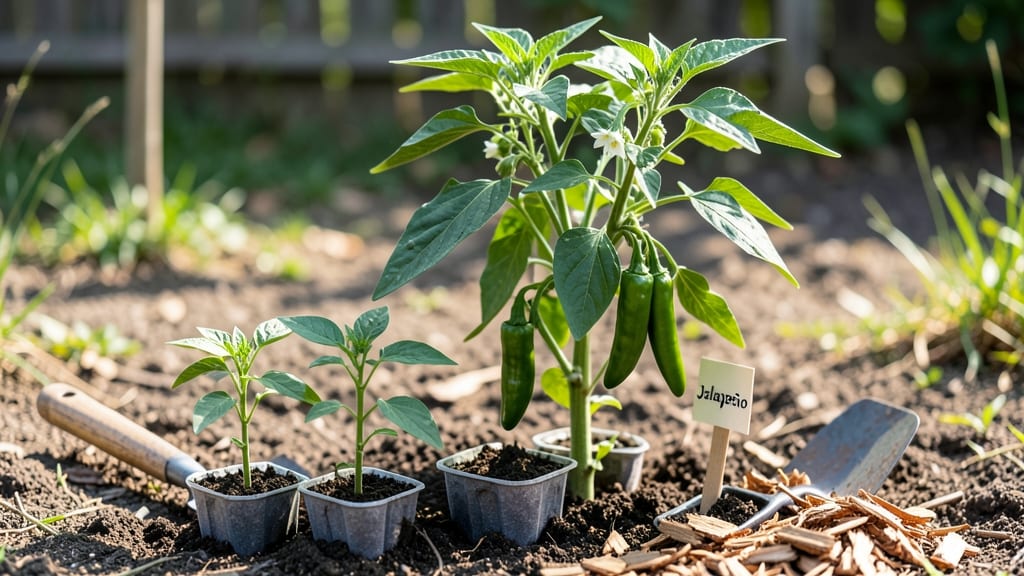
Timing your jalapeño planting in North Carolina isn't just about avoiding frost—it's about unlocking a harvest that packs real heat and flavor.
With the right window, you can go from tiny seedlings to fiery 🌶️ peppers ready for the table in just 75 days, but get it wrong, and you're staring at wilted plants or stunted growth.
Most NC gardeners in zones 7a-8b know the magic window starts around April 15, but here's the catch: your exact county matters more than the calendar.
Some areas like the Piedmont can plant earlier, while coastal regions might wait until late May to avoid those sneaky late frosts that love to ruin your plans.
Whether you're starting seeds indoors or rushing to direct-sow after the last frost, we'll break down the science behind soil temperatures, microclimates, and how to stretch your growing season for maximum yield. Think of this as your cheat code for turning NC's unpredictable spring into a jalapeño powerhouse.
Ready to stop guessing and start growing? Let's dive into the exact dates, tools, and tricks that'll have your plants thriving from Raleigh to Asheville—no more second-guessing, just spicy success.
NC jalapeño planting dates by county: last-frost-date calculator guide
North Carolina’s diverse climate means your jalapeno planting window can shift dramatically from the mountains to the coast. In Zone 7a (western NC), you’ll plant 2-3 weeks earlier than in Zone 8b (coastal areas).
The key? Knowing your average last frost date—and adjusting for soil warmth, not just air temperature.
Jalapeños thrive when soil hits 60°F+, so even if frost risk is gone, cold soil will stall growth. Use a soil thermometer to confirm readiness—most NC counties hit this mark by mid-April to early May.
For precision, check your county’s USDA frost data or local Cooperative Extension office for tailored advice.
Here’s how to break it down by region:
For direct sowing (planting seeds outdoors), wait until soil is 70°F+—usually 2-3 weeks after your transplant window. If you’re starting seeds indoors, begin 8–10 weeks before your last frost date to have sturdy seedlings ready for transplanting.
Pro tip: Use black plastic mulch to warm soil faster, especially in cooler zones like the mountains. This can shave 1–2 weeks off your planting timeline by raising soil temps by 5–10°F. Just remove it after transplanting to avoid overheating roots.
If you’re unsure about your county’s exact frost date, plug your ZIP code into the NC State Climate Office’s frost calculator (link in resources).
For example, Charlotte (Zone 7b) averages a last frost of March 28, while Greenville (Zone 8a) sees frost by March 10—a 18-day difference that matters for your harvest!
Remember: Jalapeños need 75–90 days to mature, so count backward from your first frost date. In Zone 7a, that means planting by mid-June for a fall harvest, while Zone 8b gardeners can push it to early July.
Miss this window, and you’ll risk peppers turning mushy or bitter before frost hits.
For container growing, adjust timing by 1–2 weeks earlier—pots heat up faster but dry out quicker. Use self-watering containers and move them to a sheltered spot if night temps dip below 55°F.
Coastal gardeners can sometimes squeeze in a second planting in late July for a late fall harvest, but this is risky due to hurricane season.
🌱
How to adjust planting timing for early vs. late harvests in NC
North Carolina’s diverse microclimates mean your jalapeño planting window can stretch from early spring to midsummer—but timing isn’t one-size-fits-all. If you’re in the mountains (Zone 7a), frost lingers later, while coastal Zone 8b gardeners might face summer heat stress.
The key? Adjusting your schedule for either an early harvest (to beat the heat) or a late-season extension (to squeeze in extra peppers).
For an early harvest, start seeds indoors 8-10 weeks before your last frost date (typically early March for most of NC). This gives you a head start on the 75-day maturity timeline.
Transplant seedlings outdoors as soon as soil hits 60°F—usually mid-April in the Piedmont or early May in the mountains. This strategy lets you harvest jalapeños in July before summer’s brutal heat sets in.
🌶️ Numbered Highlights: NC Jalapeño Planting Adjustments
- Early Harvest: Start seeds indoors March 1-15 (Zone 7a) or February 15-March 1 (Zone 8b). Transplant by April 15 to harvest by July 4.
- Standard Planting: Direct-sow seeds April 15-May 15 after last frost. Ideal for July-October harvests.
- Late-Season Extension: Use row covers or black plastic mulch to plant up to June 15 (harvest by October 15).
- Succession Planting: Sow every 2-3 weeks from April to June for staggered harvests.
- Heat Tolerance Tip: Choose ‘Early Jalapeño’ varieties (mature in 60 days) for summer planting.
Pro Tip: Monitor soil temps with a thermometer—jalapeños wilt if soil drops below 55°F.
If you’re aiming for a late harvest, push your planting window later—up to June 1 in most of NC. Use row covers or cold frames to protect seedlings from unexpected fall frosts (common after November 1).
Black plastic mulch can also raise soil temps by 5-10°F, giving peppers a longer growing season. For Zone 7a gardeners, this might mean harvesting until October 15 instead of September.
Don’t overlook succession planting, either. Sow a new batch of seeds every 2-3 weeks from April through June. This ensures a continuous harvest from July through October, even if your first planting gets hit by summer pests or heat stress.
Just remember: later plantings need extra care—monitor for aphids and hornworms, which thrive in warm fall weather.
For container gardening, adjust timing slightly: start seeds indoors 1-2 weeks earlier since pots heat up faster. Place containers in full sun and use self-watering systems to prevent drought stress. With the right adjustments, you can enjoy jalapeños all season long—even in NC’s unpredictable climate.
One final tip: track your local frost dates using the NC State Climate Office or Almanac’s Frost Calculator. A 5-day shift in frost timing can change your entire planting strategy—so stay flexible!
With these tweaks, you’ll avoid the common mistake of planting too late and ending up with underripe peppers when frost hits.