
Plants
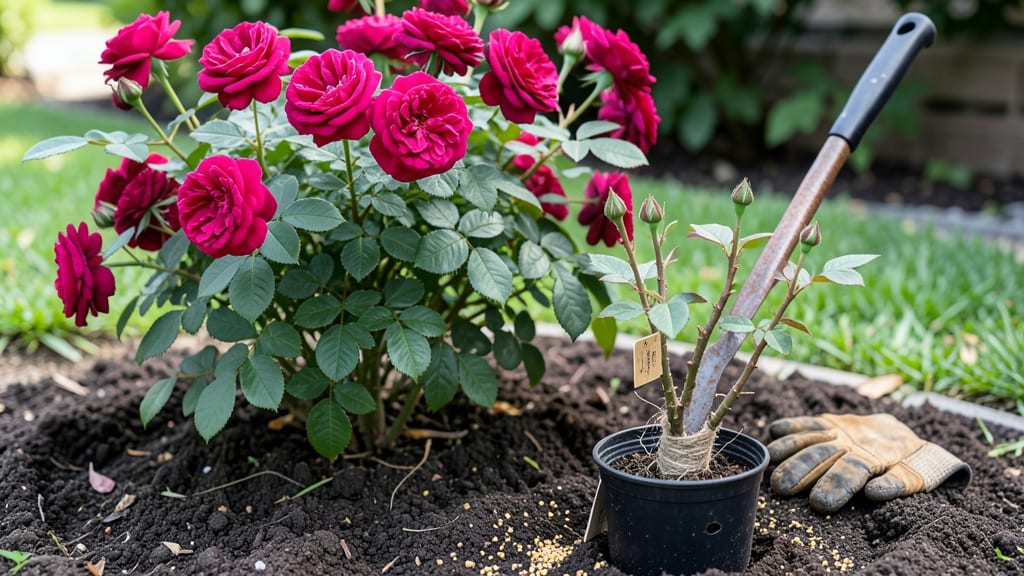
Timing when to plant knockout roses in Ohio 🌹 can mean the difference between vibrant blooms and struggling shrubs. If you plant too early, a late frost could wipe out your hard work, while waiting too long might leave your roses struggling to establish roots before winter.
Ohio’s unique microclimates—especially in USDA Zone 6a—make this decision even trickier.
Most Ohio gardeners swear by planting in April or May, once the soil warms and the last frost has passed (usually around April 15). But what if you’re in northern Ohio, where frosts linger longer?
Or if you’re in the warmer southern regions? The answer lies in understanding your local frost-free dates and soil conditions—something I’ll break down for you.
Beyond just the calendar, there’s more to it: soil temperature checks, proper spacing, and post-planting care tailored to Ohio’s climate. Whether you’re a seasoned gardener or just starting, these insights will help you plant your Knockout Roses at the perfect time for zero-frost success.
Let’s dive into the exact steps—from verifying your frost dates to preparing the soil—so you can get your roses thriving without the guesswork. Your future blooms will thank you!
Ohio’s planting zones: exact dates to plant knockout roses by region
Ohio’s USDA zones 5b-6a create a 14-day window between northern and southern regions for planting Knockout Roses. In Columbus (Zone 6a), aim for April 15-May 1, while Toledo (Zone 5b) should wait until May 1-15 to avoid frost damage.
Cincinnati’s Zone 6a mirrors Columbus but may shift 3-5 days earlier due to urban heat islands.
Your last frost date is the golden rule—plant 2-3 weeks after it when soil reaches 60°F (15°C). Check NOAA’s Local Climate Data for your county to confirm.
For example, Akron’s average last frost is April 20, while Dayton’s is April 10. Microclimates near lakes (like Sandusky) may add 7-10 days of delay.
Soil temperature matters more than calendar dates. Use a soil thermometer to verify readiness—55°F (13°C) is the minimum for root growth.
In southern Ohio (Zones 6a-7a), you might plant as early as March 20 in Chillicothe, but northern areas like Cleveland should wait until May 1 to be safe.
🌱 Ohio Knockout Rose Planting Timeline by Zone
| Zone | Last Frost Date | Ideal Planting Window | Soil Temp Requirement |
|---|---|---|---|
| 5b (Toledo, Youngstown) | May 1 | May 15–June 1 | 60°F+ (15°C+) |
| 6a (Columbus, Cincinnati) | April 15 | April 30–May 15 | 55°F+ (13°C+) |
| 6b (Southern Ohio) | March 20 | March 30–April 15 | 50°F+ (10°C+) |
💡 Pro Tip: Use NOAA’s Climate Data or Old Farmer’s Almanac for hyper-local frost dates.
For container-grown Knockout Roses, you have a 2-week leeway before or after the ideal window. Bare-root roses, however, demand precise timing—plant them as soon as roots sprout (usually March-April for Zone 6a).
If you miss the spring window, fall planting (September-October) is your next best option, but soil must stay above 50°F (10°C) for 4-6 weeks post-planting.
Ohio’s urban heat islands (like Cleveland or Dayton) can push planting dates 7-10 days earlier than rural areas. Test your spot by placing a black plastic sheet on the ground for 24 hours—if it’s warm to the touch, your soil is ready.
Avoid planting when nighttime temps dip below 50°F (10°C), even if days are warm.
If you’re in Zone 5b, consider container planting for flexibility. Containers warm faster and let you move plants indoors if frost threatens. For in-ground planting, choose south-facing slopes or protected microclimates (e.g., near foundations) to extend your growing season by 10-14 days.
For bare-root roses, soak roots in lukewarm water for 2-4 hours before planting to reduce transplant shock.
In Zone 6a, this gives you a 3-week window (late March–early April) to plant before soil warms enough for container-grown roses. Never plant bare-root roses after April 15 in northern Ohio—roots dry out too quickly.
Ohio’s variable spring weather means you might need row covers for the first 2 weeks post-planting. Monitor your local weather forecast for late frosts, which can occur as late as May 10 in Zone 5b.
A frost cloth adds 2-4°F protection and buys you 10-14 extra days of safety.
Once planted, mulch heavily (3-4 inches) with wood chips or straw to regulate soil temperature. This keeps roots 5-10°F warmer in spring and 5-10°F cooler in summer, giving your Knockout Roses a 2-week head start in Zone 5b and extending the season by 3 weeks in Zone 6a.
🌹 For maximum blooms, time your planting to align with Ohio’s humidity peaks—late April to early May
Fall vs. spring planting in Ohio: which works better for knockout roses?
Ohio’s variable climate makes choosing between fall and spring planting tricky for knockout roses. While both seasons work, each offers unique advantages—and pitfalls. Let’s break down which option aligns best with Ohio’s USDA Zones 5-6, focusing on survival rates, root establishment, and local microclimates. Spring planting (April–May) gives knockout roses a longer growing season to establish roots before winter. However, Ohio’s unpredictable late frosts can still damage tender new growth. Fall planting (September–October), on the other hand, reduces transplant shock by allowing roots to settle before winter dormancy—but timing is critical to avoid early frosts.The key difference lies in Ohio’s frost-free windows. In Columbus (Zone 6a), the average last frost date is April 15, while Toledo (Zone 5b) sees frost until May 1.
Fall planting must wrap up by October 15 to avoid winter damage, leaving a narrow window for root establishment.
🚨 CRITICAL WARNING: Planting knockout roses too early in spring risks frost damage to new shoots, while fall planting too late may leave roots vulnerable to freezing temperatures. Ohio’s clay-heavy soils also drain poorly in spring, increasing rot risks for newly transplanted roses.
Spring vs. Fall Planting for Knockout Roses in Ohio
- ✅ Longer root establishment window
- ✅ Full summer blooms possible
- ❌ Risk of late frost damage
- ❌ Slow start in cold, wet springs
- ✅ Reduced transplant shock
- ✅ Established roots before winter
- ❌ Narrow planting window
- ❌ Limited bloom time first season
Ohio-Specific Tip: For Zone 5b (Toledo), lean toward spring planting to avoid early frosts. In Zone 6a (Columbus), both seasons work—but fall planting by September 30 maximizes root growth before winter.
Bare-root roses thrive in fall planting because their dormant state minimizes stress, while container-grown roses can handle spring planting better due to their established root systems. Ohio’s humid summers also favor fall planting, as cooler temperatures reduce fungal risks like black spot.
To decide, check your local NOAA frost data and soil temperature trends. If your area has consistent 60°F+ soil temps by April, spring planting is ideal. For cooler microclimates (e.g., Appalachian foothills), fall planting offers a safer bet.
For maximum blooms, I recommend a hybrid approach: plant a few knockout roses in early spring (April) and others in late fall (October). This spreads out your blooming season and hedges against Ohio’s unpredictable weather.