
Plants
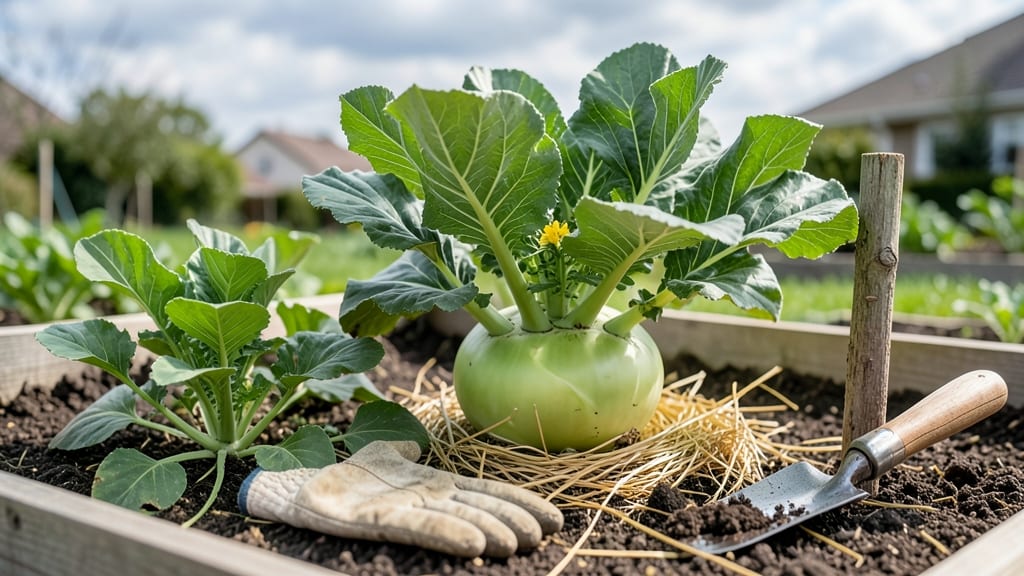
If you’ve ever planted kohlrabi in Zone 8 only to watch it bolt into bitter, inedible flowers, you’re not alone. The key to growing crisp, sweet 🥬 lies in timing—specifically, when soil temperatures align with this cool-weather crop’s needs.
In Zone 8, where summers sizzle and winters are mild, planting too early or too late can turn your kohlrabi into a sad, woody mess. The secret? Start seeds when daytime temps hover between 50-65°F—typically late winter to early spring (February–March) or early fall (August–September).
But here’s the twist: coastal areas in Zone 8 may have a longer window than inland spots. I’ll break down the exact soil temp triggers, frost dates, and regional tweaks to ensure your kohlrabi thrives—no bolting, no stress.
Ready to master the perfect planting window? Let’s dive into the science and strategies that’ll have you harvesting tender, flavorful bulbs all season long.
Optimal planting windows in Zone 8: fall vs spring timing
In Zone 8, where summers are hot and winters mild, timing is everything for growing kohlrabi. The key is planting when soil temperatures stay between 50°F and 75°F—any warmer, and your plants will bolt (flower prematurely), ruining that crisp, sweet flavor.
Let’s break down the two best windows: spring and fall, with month-by-month guidance tailored to Zone 8’s climate.
For spring planting, aim for late winter to early spring—typically February through March. This aligns with your last frost date (around February 15 in most of Zone 8) and ensures cool soil temps.
If you plant too early, cold snaps can stunt growth; too late, and heat stress kicks in by May. Think of it as a narrow but sweet window for success.
Fall planting offers a second chance, especially in August through September. This lets you harvest before winter sets in (around November 15 for first frost). The trick?
Start seeds indoors in late summer to transplant outdoors once daytime temps drop below 80°F. This two-step approach gives your kohlrabi a head start in cooler conditions.
Here’s the critical detail: soil temperature matters more than air temperature. Use a soil thermometer to confirm readings—ideal planting soil should be 55°F–65°F. In Zone 8’s inland areas, mornings can be cooler than coastal zones, so adjust planting dates accordingly.
For example, inland gardeners might push spring planting to late March to avoid sudden heat spikes.
Pro tip: Succession planting works wonders in Zone 8. Sow a new batch every 2–3 weeks in spring (March–April) and fall (August–September) to stagger harvests. This ensures a steady supply of fresh kohlrabi without overwhelming your garden at once.
Just remember: never let plants linger in hot soil—they’ll bolt faster than you can say “pesto.”
Now, let’s talk microclimates. Coastal Zone 8 areas (like parts of California) have milder summers, so you might squeeze in a late spring planting in May—but only if you’re ready to provide afternoon shade.
Inland zones (e.g., Arizona or Texas) should stick to strict spring/fall windows and avoid summer planting entirely.
Here’s a visual guide to help you plan your Zone 8 kohlrabi schedule, including soil temps, frost dates, and ideal planting months:
| Season | Planting Window | Soil Temp Range (°F) | Key Considerations |
|---|---|---|---|
| Spring | Late February–Early March | 50–65°F | Wait until last frost risk passes; succession plant every 2 weeks. |
| Spring | Late March–April | 55–70°F | Provide afternoon shade if temps exceed 75°F; harvest by June. |
| Fall | August–Early September | 60–75°F | Start seeds indoors; transplant outdoors when soil cools below 80°F. |
| Fall | Mid-September–October | 50–65°F | Harvest before first frost (Nov 15); mulch to extend season. |
Miss these windows, and you’ll face the bitter disappointment of bolting. But nail them, and you’ll enjoy crisp, sweet kohlrabi from spring through fall—no summer heat required. The secret? Cool soil + timely planting = zero bolting.
Next, we’ll dive into how to monitor soil temps like a pro to keep your kohlrabi happy year-round.
🌱
Optimal planting windows in Zone 8: fall vs spring timing
In Zone 8, kohlrabi thrives in cool-season windows—spring and fall—when daytime highs stay below 75°F. Planting outside these windows risks bolting (premature flowering), turning your crisp bulbs bitter and tough. Let’s break down the two best planting periods with exact timing to avoid disappointment.
For spring planting, aim for late winter to early spring (February–March) when soil temps hover around 50–60°F. This gives plants time to mature before summer heat arrives. In fall, plant August–September to harvest before the first frost (mid-November in Zone 8).
Soil temperature is your best guide: kohlrabi roots prefer 55–65°F for steady growth. Use a soil thermometer to confirm conditions before sowing. Coastal Zone 8 areas (like San Diego) can plant slightly later than inland regions (e.g., Phoenix) due to milder microclimates.
| Season | Planting Window | Soil Temp | Harvest Window |
|---|---|---|---|
| Spring | February–March | 50–60°F | April–June |
| Fall | August–September | 60–70°F | October–November |
Pro tip: Succession plant every 2–3 weeks in spring/fall for a continuous harvest. Start with ‘Purple Vienna’ (purple-skinned) or ‘White Vienna’ (mild, white) varieties—they’re bolt-resistant and perfect for Zone 8’s heat spikes.
If you miss the spring window, don’t despair—fall planting still yields sweet, tender bulbs. Just monitor nighttime temps: kohlrabi tolerates dips to 40°F but wilts if exposed to freezing soil. Use row covers if early frost threatens.
For coastal gardeners, extend fall planting into early October—the ocean breeze delays heat buildup. Inland gardeners should finish by mid-September to avoid summer’s relentless sun. Test your soil first: kohlrabi prefers pH 6.0–7.0 and rich, well-draining soil.