
Plants
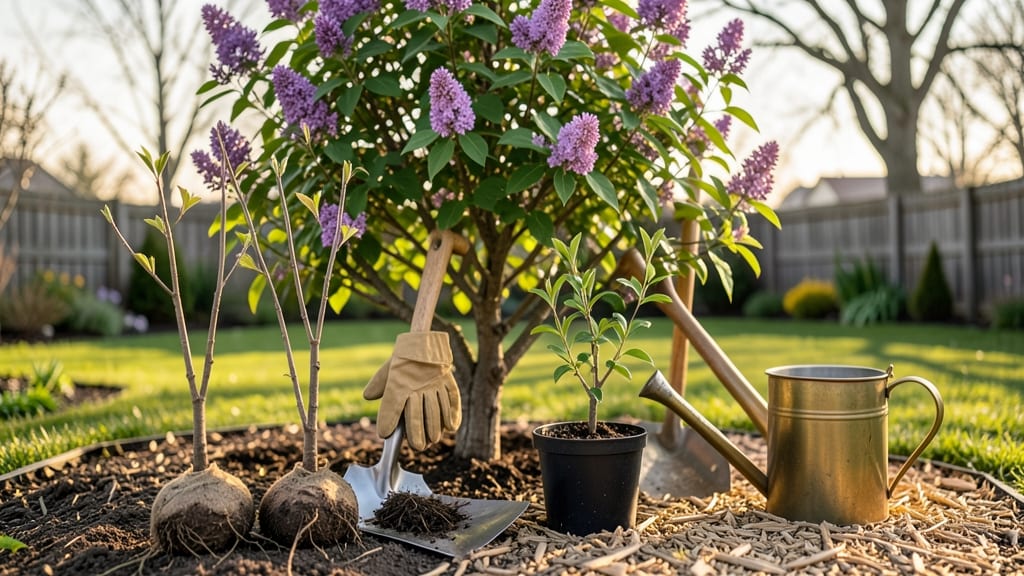
Timing your lilac planting in Utah wrong could mean waiting years for those fragrant 🌸 blooms—or worse, losing your shrubs before they even take root. Utah’s dramatic shifts from 5°F mountain nights to 90°F desert afternoons demand precision, not guesswork.
Most gardeners assume spring is the only safe window, but Utah’s USDA Zones 5-7 actually offer two prime opportunities: early spring (March-April) when soil warms but frost risks fade, and early fall (September-October) when roots establish before winter.
The key? Planting when soil temps hit 40°F—not when the calendar says "spring."
I’ll break down exactly how to read Utah’s microclimates—whether you’re in Salt Lake City’s valleys or Park City’s high desert—to pick the perfect week. Spoiler: It’s not just about avoiding frost—it’s about giving your lilacs the 6-8 weeks they need to root before summer’s heat hits.
Ready to stop second-guessing? Let’s turn your Utah garden into a fragrant paradise with the exact planting schedule (and backup plans) that actually work for our unpredictable climate.
Best planting months for lilacs in Utah’s cold-hardy zones 4-7
Utah’s diverse climate—from the Wasatch Front’s high desert to the Utah Valley’s warmer microclimates—means lilacs can thrive in USDA Zones 4-7. The key is planting when soil temperatures stay above 40°F and avoiding early frost risks.
For most Utah regions, this means two ideal windows: early spring (March-April) or early fall (September-October).
Spring planting gives lilacs time to establish roots before summer heat, while fall planting allows them to settle in before winter dormancy. In Zone 4 areas like Park City, aim for late April to early May to avoid late frosts.
Meanwhile, Zone 7 regions like St. George can plant as late as November.
Bare-root lilacs are easiest to plant in early spring before buds swell, while container-grown lilacs offer more flexibility. If you miss the spring window, fall planting is your next best bet—just ensure 6-8 weeks of growth before the first frost.
Here’s how Utah’s key regions compare for lilac planting:
| Region | USDA Zone | Best Spring Window | Best Fall Window | Soil Prep Tip |
|---|---|---|---|---|
| Salt Lake City | Zone 5-6 | March 15 - April 15 | September 15 - October 15 | Amend clay soil with compost |
| Provo/Orem | Zone 5-6 | March 20 - April 20 | September 20 - October 10 | Test soil pH (6.0-7.0 ideal) |
| Park City | Zone 4-5 | April 15 - May 1 | September 1 - September 15 | Use mulch for insulation |
| St. George | Zone 7-8 | February 15 - March 30 | October 15 - November 15 | Water deeply after planting |
For container-grown lilacs, you have slightly more flexibility—plant anytime soil isn’t frozen, but avoid peak summer heat (June-August) when roots struggle to establish. In Zone 7 areas, you can even plant in late fall, as long as the ground doesn’t freeze solid.
Pro tip: Check the National Weather Service’s frost calendar for your specific Utah county. For example, Salt Lake City’s average last frost is April 15, while St. George’s is March 1. Planting 2-3 weeks after these dates gives lilacs a safety buffer.
If you’re in a high-elevation area like Logan or Ogden, err on the side of later planting (mid-April or later) to avoid late spring frosts. These areas also benefit from windbreaks to protect young lilacs from drying winds.
Remember: Lilacs are perennials, meaning they’ll return year after year if planted correctly. A little extra care in timing now means decades of fragrant blooms with minimal maintenance. Once established, they’re drought-tolerant and handle Utah’s hot summers beautifully.
For best results, pair planting with well-draining soil and a sunny location. Avoid planting in low spots where cold air pools—this is a common mistake in Utah’s valleys. With the right timing, your lilacs will reward you with scented blooms every spring.
🌸
How to time lilac planting around Utah’s frost dates (with local data)
Utah’s frost dates vary dramatically by region, making timing critical for lilac survival. In the Wasatch Front (Salt Lake City, Provo), average last frost dates fall between April 10-20, while southern Utah’s desert areas (St. George) see frost as late as March 15.
Mountain areas like Park City can experience frost well into June at higher elevations.
Lilacs thrive in USDA Zones 4-7, but their 10°F hardiness means they need protection from late frosts. Planting too early—when soil temps hover near 40°F or below—can stunt root growth. Use the National Weather Service’s frost calendar to pinpoint your local window.
For spring planting, aim for March 15-April 15 in most of Utah, once soil temperatures consistently stay above 50°F. In fall, September 15-October 15 works best, allowing roots to establish before winter dormancy. High desert areas should plant 2-3 weeks earlier than valley regions.
| Region | Avg. Last Frost | Ideal Planting Window | Soil Temp Goal |
|---|---|---|---|
| Wasatch Front (Salt Lake City) | April 10-20 | March 15-April 15 (spring) / Sept 15-Oct 15 (fall) | 50°F+ |
| Southern Utah (St. George) | March 15 | Feb 28-March 15 (spring) / Sept 1-Oct 1 (fall) | 45°F+ |
| Park City (Mountain) | May 15 | May 1-June 1 (spring) / Sept 1-Sept 15 (fall) | 55°F+ |
Check soil temperature with a soil thermometer before planting—lilac roots need consistent warmth to avoid shock. In high-altitude areas, wait until after Memorial Day to ensure frost-free conditions. For container-grown lilacs, you can plant 2 weeks earlier since their roots warm faster.
Pro tip: Use black plastic mulch in early spring to raise soil temperatures by 5-10°F, accelerating root establishment. This is especially helpful in cold desert regions like Cache Valley, where nights remain chilly well into May.
Monitor local weather forecasts for unexpected late frosts, especially in transition zones like Ogden or Heber. If frost threatens after planting, cover young lilacs with frost cloth until temperatures stabilize. With precise timing, your lilacs will reward you with fragrant blooms in late spring.