
Plants
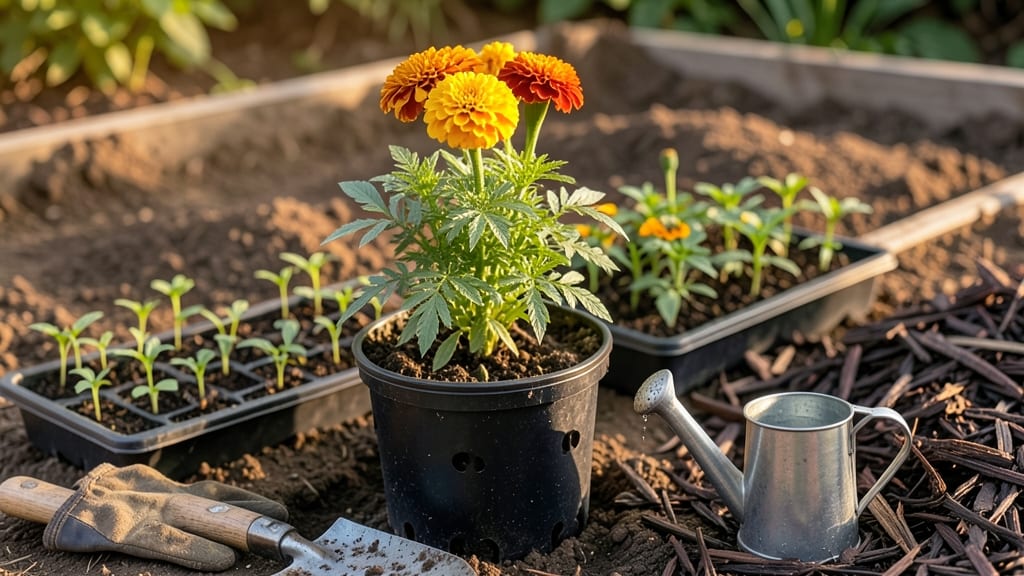
Timing your marigold 🌼 planting in Colorado isn’t just about following a calendar—it’s about beating the unpredictable frosts that can turn your bright blooms into a sad, frozen memory.
With USDA zones 5-7 and elevation swings from 5,000 to 10,000+ feet, your neighbors’ planting schedule might not work for you. One wrong move, and your seeds could rot in cold soil, or your transplants might bolt too fast in sudden heat.
Here’s the game-changer: Colorado gardeners who nail their marigold schedule enjoy longer blooms and fewer pests—because marigolds thrive when planted at the perfect moment.
Whether you’re in Denver’s Zone 5 or the Western Slope’s Zone 7, I’ll show you the exact windows to start seeds indoors, transplant outdoors, and even squeeze in a fall crop before the first frost.
You’ll also discover how to work with Colorado’s microclimates—like planting two weeks earlier in sheltered valleys or delaying in exposed high-altitude spots. Plus, I’ll share my top tips for soil prep, frost protection, and companion plants that make your marigolds hardier and more vibrant than ever.
Ready to turn your garden into a pest-repelling, sun-drenched paradise? Let’s dive into the heat zone secrets that’ll have your marigolds blooming from summer straight into fall—no guesswork required.
Colorado heat zones: the exact planting timeline for marigolds by region
Colorado’s USDA Hardiness Zones 4-7 create wildly different planting windows for marigolds. In Zone 4 (high-altitude areas like Steamboat Springs), you’ll wait until mid-May after the last frost, while Zone 7 (Albuquerque border) gardeners can plant as early as late March.
Elevation matters too—every 1,000 feet higher delays planting by about 1-2 weeks.
For Denver’s Zone 5, aim for mid-April to early May after soil reaches 50°F. The Front Range’s Western Slope (Zone 6) can start 2 weeks earlier due to warmer microclimates. Always check your local Colorado State University Extension frost date maps—last-minute cold snaps can wipe out tender seedlings.
Here’s your region-specific planting timeline with elevation adjustments included:
| Region | USDA Zone | Elevation Range | Last Frost Date | Planting Window |
|---|---|---|---|---|
| Denver Metro | Zone 5 | 5,000–6,000 ft | Mid-April | Mid-April to early May |
| Front Range (Fort Collins) | Zone 5 | 4,500–5,500 ft | Late April | Late April to early June |
| Western Slope (Grand Junction) | Zone 6 | 3,500–4,500 ft | Early April | Late March to mid-April |
| High Altitude (Telluride) | Zone 4 | 8,000+ ft | Mid-May | Mid-May to early June |
| Albuquerque Border (Zone 7) | Zone 7 | 4,000–5,000 ft | Early March | Late February to early April |
For fall planting (to enjoy blooms until frost), aim for late July to early August in most zones. Seedlings need 60 days to mature, so time it so blooms appear before first frost (typically mid-October in Zone 5).
Use French marigolds for earlier fall color—they tolerate cooler temps better than African marigolds.
Pro tip: Test your soil’s warmth with a soil thermometer. Marigolds won’t germinate below 55°F, even if frost risk is low. In Zone 4, wait until soil hits 60°F for reliable sprouts. Patience here prevents wasted seed packets!
Microclimates can shift planting by 2+ weeks. South-facing slopes warm faster than north exposures, while urban areas (like Denver’s downtown) stay 5°F warmer than rural spots. Observe your garden’s sun exposure patterns for a week before planting to spot these differences.
If you’re unsure about your exact zone, use the USDA Plant Hardiness Zone Map and adjust for 1-2 zones colder if your garden sits in a valley or shaded area. Overestimating warmth leads to frost damage—a heartbreaking mistake for first-time Colorado gardeners.
For container gardening, plant 2 weeks later than ground plantings. Pots cool faster at night and dry out quicker in Colorado’s dry winds. Use black plastic pots to absorb heat if you’re pushing early spring dates.
Remember: Marigolds hate soggy soil. Colorado’s spring can bring unpredictable rain, so amend beds with compost or perlite to improve drainage. Amended soil also warms faster, helping you plant earlier without risking root rot.
How to extend your marigold season: cold-hardy varieties and frost protection tips
Colorado’s cool nights and late frosts can shorten your marigold season—but with the right strategies, you can enjoy blooms from May through October. The key? Choosing cold-hardy varieties and using simple frost protection techniques to push your planting windows earlier or later.
Marigolds like ‘Bonanza Yellow’ and ‘Tangerine Gem’ thrive in Colorado’s climate because they tolerate cooler temperatures better than other varieties. These types can handle light frosts down to 28°F, making them ideal for high-altitude gardens in zones 4-6.
To extend your season, start with transplants instead of seeds. Transplants give you a 4-6 week head start, letting you plant as early as late April in lower elevations. For fall blooms, sow seeds in late July to catch the last 8-10 weeks of warm weather.
🌼 Extending Your Marigold Season
- ✅ Early planting with row covers
- ✅ Cold-hardy varieties survive light frosts
- ✅ Fall blooms extend season until frost
- ❌ Row covers can overheat plants
- ❌ Late frosts may still damage seedlings
- ❌ Fall planting requires precise timing
For extra protection, use frost cloths or cloches over young plants when nighttime temps drop below 32°F. These low-tech shields can raise temperatures by 5-10°F, giving your marigolds a fighting chance against early frosts. Remove them during the day to prevent overheating.
Another trick? Plant near heat-absorbing surfaces like dark mulch or brick walls. These microclimates can create warmer pockets in your garden, helping marigolds establish faster. Pair this with a thick layer of compost to improve soil warmth and drainage.
With these strategies, you can turn Colorado’s short growing season into a long marigold spectacle, from spring’s first blooms to fall’s final colors. Just remember: timing and protection are your best friends in the Centennial State! 🌱