
Plants
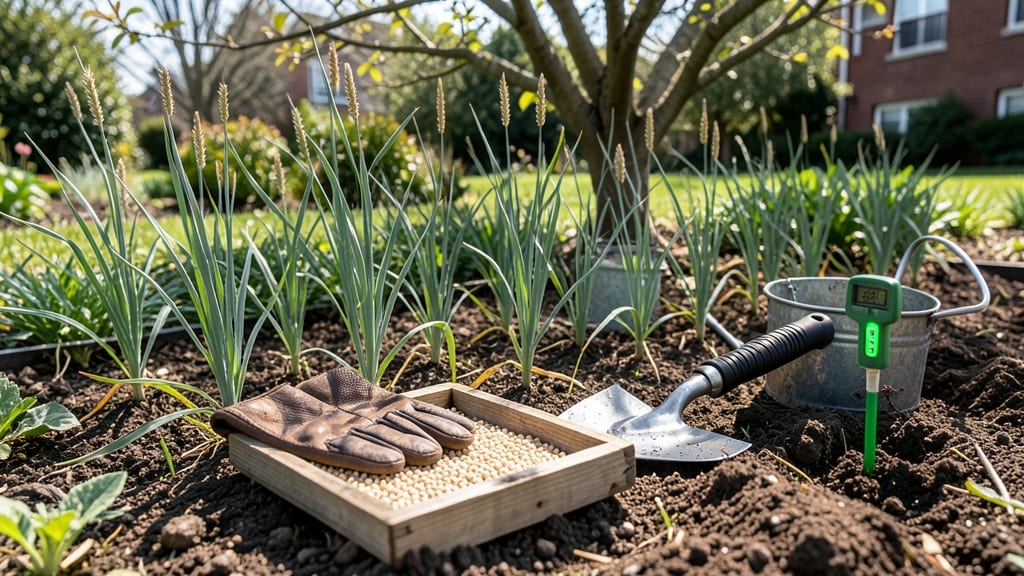
If you're wondering when to plant millet in Oklahoma, timing is everything—get it wrong, and you might lose your entire crop to frost or drought.
Oklahoma’s USDA zones 6b-7a offer two prime windows: early spring (March-April) or late summer (July-August), but soil temperature and frost risks make all the difference.
Most gardeners in Oklahoma focus on spring planting, but that’s not always the best move. Soil warmth (at least 60°F) is critical for germination, and waiting until after the last frost date (typically mid-April) ensures your 🌾 millet gets a strong start.
Meanwhile, late-summer plantings can yield a second harvest before fall frosts hit.
Here’s the game-changer: different millet varieties thrive at different times. Pearl millet, for example, handles Oklahoma’s heat better than foxtail millet, so your planting strategy should match your climate zone and the type of millet you’re growing.
Ready to maximize your harvest? I’ll walk you through the exact planting windows, soil prep tips, and how to adjust for Oklahoma’s unpredictable weather—so you can avoid common mistakes and grow millet like a pro.
Oklahoma millet planting calendar: frost-free deadlines by region
Timing your millet planting in Oklahoma isn’t just about checking a calendar—it’s about understanding your local frost risk and soil temperature. The state’s four distinct agro-climatic zones (Panhandle, Western, Central, Eastern) each have unique last-frost-date averages and heat tolerance requirements for millet varieties.
For example, the Panhandle’s USDA Zone 7a can safely plant millet by March 20, while Eastern Oklahoma’s Zone 6b often waits until April 5.
Millet thrives when soil temperatures reach 55°F+ at 2-inch depth, but germination speeds up dramatically at 60°F+. In Oklahoma, this typically aligns with late April to early May for most regions, but urban heat islands in cities like Oklahoma City can create microclimates 2-3 weeks earlier than rural areas.
Always verify soil warmth with a soil thermometer—cold soil is the #1 reason millet seeds fail to sprout.
Here’s a breakdown of Oklahoma’s millet planting windows by region, including contingency dates for late springs and soil temperature benchmarks:
| Region | USDA Zone | Avg. Last Frost | Safe Planting Window | Soil Temp. Goal | Contingency Date |
|---|---|---|---|---|---|
| Panhandle | 7a | March 15 | March 20–April 5 | 55°F+ | April 15 (late spring) |
| Western OK | 6b–7a | March 25 | April 1–April 15 | 60°F+ | April 30 |
| Central OK | 6b–7a | March 30 | April 10–April 25 | 60°F+ | May 5 |
| Eastern OK | 6b–7b | April 5 | April 20–May 5 | 60°F+ | May 15 |
Pro tip: Use the OSU Extension’s Frost-Free Date Map to pinpoint your exact location’s risk. For example, Tulsa’s urban core may be 5–7 days ahead of rural areas just 20 miles west due to heat retention in pavement and buildings.
Always plant after your region’s average last frost—but don’t wait too long! Millet needs 120–180 days to mature, so late plantings risk first-frost damage before harvest.
If your spring runs late, consider black plastic mulch or row covers to warm soil faster. These methods can shave off 7–10 days of waiting time, giving you a critical edge in Oklahoma’s short growing season.
For drought-prone Western Oklahoma, prioritize drought-tolerant varieties like foxtail millet, which can handle lower soil moisture better than pearl millet.
Remember: Oklahoma’s summer planting window (July–August) is also viable for millet, especially in cooler microclimates like mountain valleys. This approach avoids spring pests and aligns with shorter daylight in late summer, which can actually improve seed quality in some varieties. Just ensure your soil stays consistently moist during germination.
For extra peace of mind, bookmark the National Weather Service’s Oklahoma Climate Survey and check their 7-day soil temperature forecasts before planting. A sudden cold snap can drop soil temps 10°F+ overnight, delaying germination by weeks.
When in doubt, wait 5 more days—your millet will thank you with stronger stalks and higher yields.
🌾
Best millet varieties for Oklahoma’s short growing season & their ideal planting times
Choosing the right millet variety is key to success in Oklahoma’s 120-180 day growing season. Pearl millet thrives in hot, dry conditions common in Western OK, while foxtail millet adapts better to Central and Eastern regions with slightly more moisture.
Sorghum-sudangrass hybrids offer a dual-purpose option for both grain and forage.
For early spring planting (March-April), opt for fast-maturing varieties like ‘Tifleaf 4’ pearl millet, which reaches maturity in 60-70 days. This gives you a head start before summer’s intense heat arrives.
If planting in late summer (July-August), choose ‘Gambia’ foxtail millet, which tolerates heat and matures in 80-90 days—perfect for Oklahoma’s short fall season.
Here’s how each variety stacks up for Oklahoma’s climate:
| Variety | Days to Maturity | Best Planting Window | Heat Tolerance | Drought Resistance |
|---|---|---|---|---|
| Pearl Millet (e.g., ‘Tifleaf 4’) | 60-70 days | March-April (spring) or July (late summer) | ⭐⭐⭐⭐⭐ | ⭐⭐⭐⭐ |
| Foxtail Millet (e.g., ‘Gambia’) | 80-90 days | April-May (spring) or August (late summer) | ⭐⭐⭐⭐ | ⭐⭐⭐ |
| Sorghum-Sudangrass Hybrid | 90-120 days | May-June (spring) or late July | ⭐⭐⭐⭐⭐ | ⭐⭐⭐⭐⭐ |
⭐ = Low to ⭐⭐⭐⭐⭐ = High
For Western Oklahoma’s drier climate, prioritize drought-resistant pearl millet varieties. In Central and Eastern regions, where humidity is higher, foxtail millet or sorghum-sudangrass hybrids perform better. Always check local seed suppliers for varieties tested in your specific county.
Pro tip: If you’re growing millet for birdseed or forage, sorghum-sudangrass hybrids are ideal—they regrow after cutting and provide year-round nutrition for wildlife. For human consumption, pearl millet is the top choice, especially for gluten-free baking and porridge.
Remember, Oklahoma’s unpredictable weather means flexibility is key. Start seeds indoors in late February for a jumpstart, or direct-sow when soil reaches 60°F. With the right variety and timing, you’ll harvest golden millet just as Oklahoma’s fall rains begin—perfect for storage or sharing with neighbors!