
Plants
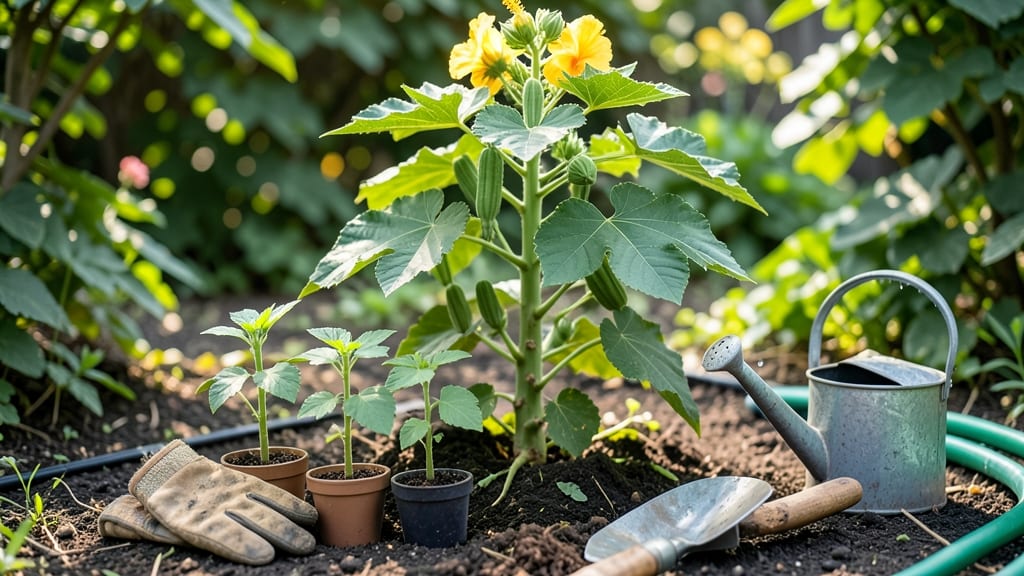
Timing your okra planting in Zone 7b can mean the difference between a thriving garden and a struggling crop. Unlike cool-weather veggies, okra 🌱 demands warmth to grow, so planting too early risks stunted plants, while waiting too long might cut your harvest short.
Most gardeners in Zone 7b aim to plant okra after the last frost—typically between mid-April and early June—when soil temperatures hit a steady 70°F or higher. This window ensures your plants get the heat they crave without battling chilly nights that slow growth.
But here’s the kicker: not all okra varieties play by the same rules. Some heat-tolerant types, like Clemson Spineless, can handle Zone 7b’s summer heat better than others, giving you flexibility to extend your harvest into October if you time it right.
In this guide, I’ll break down the exact dates, soil prep tips, and seasonal tricks to maximize your okra yield—so you can enjoy fresh pods straight from your garden all summer long.
Optimal planting dates for okra in Zone 7b based on variety
Okra is a heat-loving plant, and in Zone 7b, timing your planting right ensures strong, productive plants. The last average frost date is around April 15, but soil temperature is just as critical—okra thrives when soil reaches 70°F or higher.
For most varieties, this means waiting until mid-April to early June to plant.
In Zone 7b, you’ll find two main planting approaches: direct sowing and transplanting seedlings. Direct sowing is popular because okra seedlings are sensitive to transplant shock. If you choose to transplant, start seeds indoors 4-6 weeks before your last frost date, then move them outdoors after the soil warms.
Microclimates in Zone 7b can vary significantly. For example, Coastal Plain regions may experience warmer soil earlier, while Piedmont areas might need to wait until late April. Always check your local frost-free date for precision.
Here’s a quick guide to soil temperature readiness: Use a soil thermometer to confirm the ground is at least 60°F at 2 inches deep. If it’s cooler, wait—okra won’t germinate well in chilly soil. Patience here pays off with faster growth and higher yields.
🌱 Okra Planting Dates Comparison for Zone 7b
| Variety | Direct Sowing Window | Transplant Window | Soil Temp Requirement | Days to Harvest |
|---|---|---|---|---|
| Clemson Spineless | Mid-April to early May | Late May (seedlings) | 70°F+ | 50-60 days |
| Emerald | Late April to early June | Early June (seedlings) | 65°F+ | 55-65 days |
| Burgundy | Early May to late May | Late May (seedlings) | 75°F+ | 60-70 days |
💡 Pro Tip: For a continuous harvest, stagger plantings every 2 weeks from mid-April through early June.
If you’re in a warmer microclimate within Zone 7b, like the Coastal Plain, you might start as early as late March for heat-tolerant varieties like Clemson Spineless. However, most gardeners in Piedmont regions should aim for mid-April to avoid frost damage.
Okra is a fast-growing annual, but it won’t tolerate cold snaps. If an unexpected frost threatens after planting, cover young plants with row fabric or a lightweight blanket until temperatures rise. This gives them a fighting chance to recover.
For succession planting, sow a new batch every 2-3 weeks until early June. This ensures a steady supply of pods throughout the summer and into early fall. Just remember: okra needs warm soil to germinate, so don’t rush it.
Once planted, okra will reward you with vibrant green pods in as little as 50-75 days, depending on the variety. The key is starting at the right time—neither too early nor too late—to maximize your harvest potential in Zone 7b’s unique climate.
🌱
Optimal planting dates for okra in Zone 7b based on variety
In Zone 7b, okra thrives when planted after the last frost date—typically around mid-April—but soil temperature is the real game-changer.
Okra germinates best when soil reaches 70°F or higher, which usually happens by late April to early May in most of Zone 7b. Waiting until then ensures strong, healthy starts rather than stunted growth from cool soils.
Your microclimate matters. Coastal areas like Wilmington, NC, may see warmer soils by early April, while inland Piedmont regions (e.g., Raleigh) might need to wait until mid-May. Always check local frost data—Zone 7b’s last frost averages April 15, but microclimates can shift this by weeks.
For direct sowing, drop seeds ½-inch deep and space them 12-18 inches apart. If starting indoors, transplant seedlings after 4-6 weeks when they’re 3-4 inches tall, but harden them off first—okra hates transplant shock.
Use black plastic mulch to warm soil faster if you’re eager to plant early.
Pro tip: Succession plant every 2 weeks after your initial sowing. This staggered approach ensures a continuous harvest from July through September, even in Zone 7b’s shorter growing season. Just stop planting by mid-June—okra needs 60-70 days to mature, and late starts won’t ripen before frost.
Watch for soil moisture during germination—keep it consistently damp but not soggy. A seedling heat mat can shave days off your wait time if you’re pushing the early-April window. Once seedlings emerge, thin to the strongest 2-3 plants per hill to prevent competition.
Okra’s heat tolerance is its superpower, but even it struggles when nighttime temps dip below 55°F. In Zone 7b, this usually happens by late September, so plan your last planting to finish harvesting before then.
Use a minimum-maximum thermometer to track nightly temps—it’s your early warning system for harvest time.