
Plants
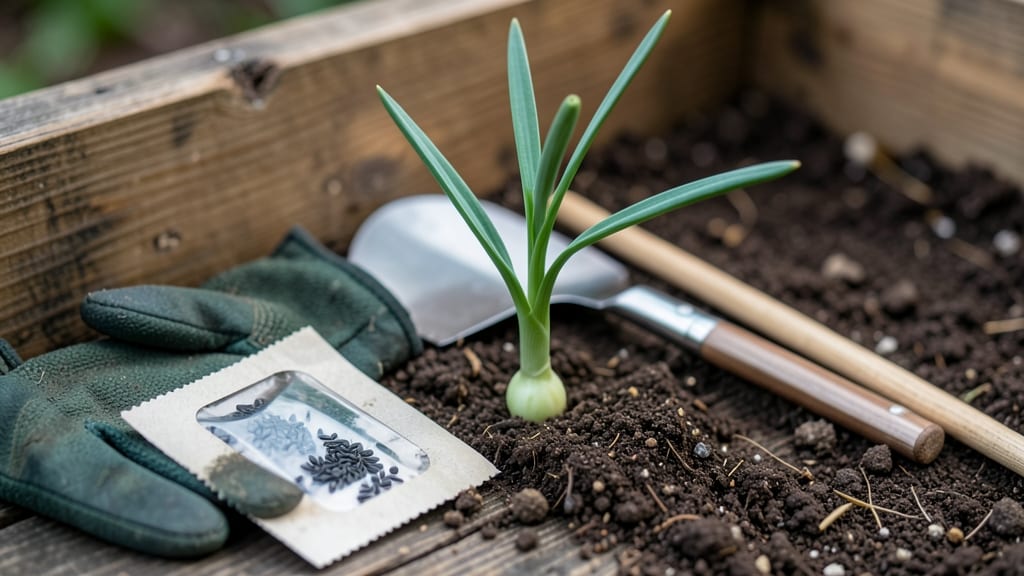
Texas onion planting calendar: best months by soil temperature & frost risk
Texas gardeners face a unique challenge with onion seeds—our state's variable climate zones and extreme temperature swings demand precise timing. Unlike northern states, we can grow onions in both fall and spring, but the window is narrow.
The key is planting when soil temperatures hit 45°F-65°F and avoiding late frosts that can kill young seedlings.
North Texas (Zones 7b-8a) has the most restrictive schedule, while South Texas (Zones 8b-9a) enjoys a longer growing season. Central Texas (Zones 8a-8b) falls somewhere in between. Let’s break down the optimal planting months for each region, including soil prep tips to ensure germination success.
Here’s the critical soil temperature and frost-free window guide for Texas onions, tailored to your zone:
| Region | Best Planting Window | Soil Temp (°F) | Frost Risk | Harvest Window |
|---|---|---|---|---|
| North Texas (7b-8a) | Late August - Early September (Fall) OR March - Early April (Spring) | 45°F - 55°F | High (last frost: mid-Nov; first frost: late Oct) | Late October - Early November (Fall) OR June - July (Spring) |
| Central Texas (8a-8b) | Mid-September - Late September (Fall) OR Late February - Early March (Spring) | 50°F - 60°F | Moderate (last frost: early Nov; first frost: mid-Dec) | Late October - December (Fall) OR May - June (Spring) |
| South Texas (8b-9a) | Late September - Early October (Fall) OR January - Early February (Spring) | 55°F - 65°F | Low (last frost: late Dec; first frost: rare) | November - January (Fall) OR April - May (Spring) |
For North Texas gardeners, the fall planting window is tight—seeds must hit the ground by early September to mature before the first frost. Use short-day onion varieties like 'Texas Early White' or 'Yellow Granex' to ensure bulbs form before temperatures drop.
In spring, wait until soil warms to 50°F+ (usually March) to avoid seed rot.
Central Texas offers a bit more flexibility. Fall plantings in September can yield onions by Thanksgiving, while spring plantings in late February give a summer harvest.
The key is to avoid the 100°F+ heat of summer, which stresses onions. Use shade cloth if planting in late spring to protect young plants.
South Texas gardeners have the easiest time—fall plantings in September-October thrive year-round, and spring plantings in January avoid extreme summer heat. Try heat-tolerant varieties like 'Texas Super Sweet' or 'Red Creole' for consistent yields. Even in winter, soil rarely drops below 50°F, making onions a reliable crop.
Pro tip: Test your soil’s temperature with a soil thermometer before planting. Onion seeds won’t germinate below 45°F, and soil above 70°F can cause bolting (flowering instead of bulb formation). Aim for 50°F-65°F for best results.
Once you’ve nailed the planting window, soil preparation is critical. Onions thrive in well-draining, slightly acidic soil (pH 6.0-7.0). Work in 2-3 inches of compost and a balanced fertilizer (5-10-10) before sowing. In heavy clay soils (common in North Texas), amend with sand or peat moss to improve drainage.
After planting, keep seeds consistently moist but avoid waterlogging. A mulch layer of straw helps retain moisture and suppress weeds. Thin seedlings to 2-3 inches apart once they’re 2 inches tall—this prevents overcrowding and ensures larger bulbs.
Remember, successive plantings every 2-3 weeks can extend your harvest. For example, plant a batch in September, another in October, and a final one in November (North Texas) to enjoy onions from late fall through early spring. With the right timing, you’ll have homegrown onions year-round—no grocery store needed!
How to extend your Texas onion growing season with successive plantings
Texas gardeners can stretch their onion harvests by planting in successive waves, especially since our state’s climate varies dramatically from North to South. The key is understanding short-day vs. long-day onions and aligning them with Texas’ fall and spring windows.
Short-day varieties (like Texas Early White) thrive when planted in late summer for fall harvests, while long-day onions (like Yellow Sweet Spanish) need cooler spring temperatures to bulb properly.
My strategy? Start with two primary plantings: one in early September for fall harvests and another in February for summer harvests. This approach ensures you’re not betting everything on a single season.
For Central and South Texas, where winters are milder, you can even try a third planting in late October—just cover seedlings with row fabric if temperatures dip below 40°F. The goal is to keep onions growing steadily without competing with extreme heat or frost.
🌱 3 Key Strategies for Successive Plantings in Texas
- Stagger plantings every 2-3 weeks from September to October for fall harvests, and February to March for spring harvests.
- Use heat-tolerant varieties like Texas Grano in Central/South Texas to avoid bolting in summer.
- Protect seedlings with frost cloth if planting in late fall to extend the growing window.
One mistake I see often? Gardeners planting all their onion seeds at once in spring, then getting frustrated when summer heat causes onions to bolt. Instead, focus on cool-season plantings—onions need soil temps between 45°F and 65°F to grow well.
If you live in North Texas (Zones 7-8), aim for September 15–October 15 for fall onions. In South Texas (Zones 9-10), you can push it to October 1–November 1 and still get a harvest before winter.
For overwintering, short-day onions are your best bet. They’ll survive mild winters and resume growth in spring. After the first frost, mulch heavily with straw or leaves to insulate the soil.
In my garden, this has let me harvest green onions in early spring—a bonus before the full bulb onions are ready. Just remember: never plant onions in summer unless you’re growing them strictly for green tops, as the heat will trigger bolting (flowering) instead of bulb formation.
To maximize space, I interplant onions with fast-growing crops like lettuce or radishes in early fall. Once the radishes are harvested, the onions have more room to bulb out. This intercropping trick works especially well in small urban gardens where space is limited.
Just ensure onions get full sun (6+ hours daily) and consistent moisture—skipping either will stunt their growth.
Finally, keep a planting journal to track which varieties perform best in your microclimate. Note the first frost dates in your area (check the Texas A&M AgriLife Extension for local data) and adjust your schedule accordingly.
With these strategies, you can enjoy fresh onions for nearly 6 months—from fall through summer—without the risk of a single-season failure.