
Plants
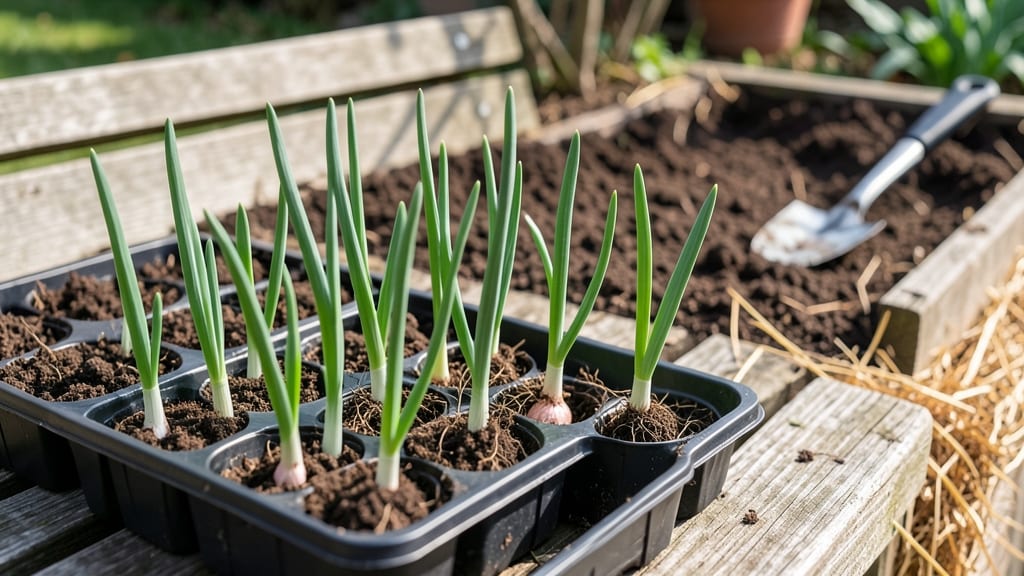
Georgia’s best onion planting months by variety (short-day vs. long-day)
Georgia’s USDA Zone 8a climate creates unique challenges for onion growers. The key to success lies in understanding your variety’s daylight needs—short-day onions thrive in Georgia’s long summer days, while long-day varieties struggle unless planted at precise times.
Let’s break down the exact planting windows for both types to ensure zero-bolt harvests and maximum yields.
For short-day onions (like ‘Texas Early White’), your planting window opens 6-8 weeks before your last frost date (typically February 15–March 15). These varieties need 10–12 hours of daylight to bulb properly, making them perfect for Georgia’s spring and fall seasons.
In contrast, long-day onions (like ‘Sweet Sandwich’) require 14+ hours of daylight to bulb, which rarely happens in Georgia’s summers—so they’re best planted late summer for fall harvests.
Here’s the critical rule: Plant short-day onions in early spring (February–March) for summer harvests, and plant long-day onions in late summer (August–September) for fall harvests. This timing prevents the heat-induced bolting that ruins Georgia’s onion crops.
The difference between success and failure often comes down to these 2–3 month windows.
🌱
| Variety Type | Best Planting Months | Daylight Needs | Harvest Window | Key Risk |
|---|---|---|---|---|
| Short-Day Onions | February–March (spring) or August–September (fall) | 10–12 hours | April–June (spring) or October–November (fall) | Bolting from heat stress |
| Long-Day Onions | August–September (fall only) | 14+ hours | October–November | Premature bolting in summer |
Georgia’s northern regions (like Athens or Dalton) have slightly cooler springs, giving you a 2-week earlier window for short-day onions (late January–early February). Meanwhile, southern GA (Savannah, Macon) can plant until mid-March without risking heat stress.
Use your local frost dates as your guide: count 6–8 weeks backward from your last frost for spring plantings.
Soil temperature is just as critical as air temperature. Onions need soil temps between 50–65°F to germinate properly. In Georgia, this typically aligns with February–March for spring plantings. Use a soil thermometer to confirm—if temps dip below 50°F, wait 1–2 weeks or use row covers to protect seedlings.
For fall plantings, aim to have onions harvested 4–6 weeks before your first frost (typically by early November). This means planting August 15–September 15 for most of Georgia. The goal is to let bulbs mature in cooler fall temps (60–70°F) while avoiding the 90°F+ heat that triggers bolting.
Pro tip: If you’re in Zone 7b or cooler (northwest GA), you can push spring plantings to January with row covers to extend the season. But in Zone 8a or warmer, wait until mid-February to avoid heat stress on young plants.
🌡️
Remember: Onion sets (pre-grown bulbs) are the easiest way to nail timing in Georgia. They’re ready to plant 4–6 weeks before your last frost and skip the germination phase entirely. For seeds, start indoors 8–10 weeks before transplanting to align with your outdoor planting window.
How to adjust planting time for zero-bolt onions in Georgia’s heat
Georgia’s heat can trick onions into bolting (flowering prematurely), turning sweet bulbs bitter. The key to zero-bolt onions is adjusting planting times and using heat-management tricks to keep soil cool. I’ve learned that fall planting often outperforms spring for southern varieties, but timing is everything.
For spring planting, aim for late January to early February in northern GA (zones 7-8) or February to early March in southern GA (zone 9). This gives onions 60-90 days of cool weather before summer heat sets in.
In fall, plant August to mid-September for a harvest before the first frost.
🌱 Heat Management Tips for Georgia Onions
- ✂️ Shade cloth (30-50%): Use over seedlings during peak summer to block 20-30% sunlight. Remove after 60 days to harden off plants.
- 🌿 Mulch heavily: Apply 4-6 inches of straw or black plastic mulch to keep soil 5-10°F cooler and retain moisture.
- 💧 Deep watering: Water early morning (before 8 AM) to 12 inches deep, encouraging deep root growth and heat tolerance.
- 🌡️ Soil thermometer check: Keep soil temps below 80°F—if it hits 85°F+, onions will bolt within 2 weeks.
Pro tip: Short-day varieties (like ‘Texas Early White’) handle heat better than long-day types (e.g., ‘Yellow Sweet Spanish’).
If you miss the ideal window, don’t panic—Georgia’s fall planting can still work. Start seeds indoors in July and transplant late August for a harvest in October-November. This avoids the summer heat spike that triggers bolting.
Another trick? Succession planting every 2 weeks in spring or fall. This spreads out your harvest and reduces the risk of heat stress on all plants at once. I’ve had success with weekly transplants in March and September.
For container growing, use black pots (they absorb heat) and place them in partial shade during afternoon heat. Elevate containers to improve airflow and reduce soil temps by 5-10°F.
Remember: Onions hate heat, but with these adjustments, you can outsmart Georgia’s climate and grow sweet, bolt-free bulbs year-round. The secret? Cool soil + timing—not just luck. 🌱