
Plants
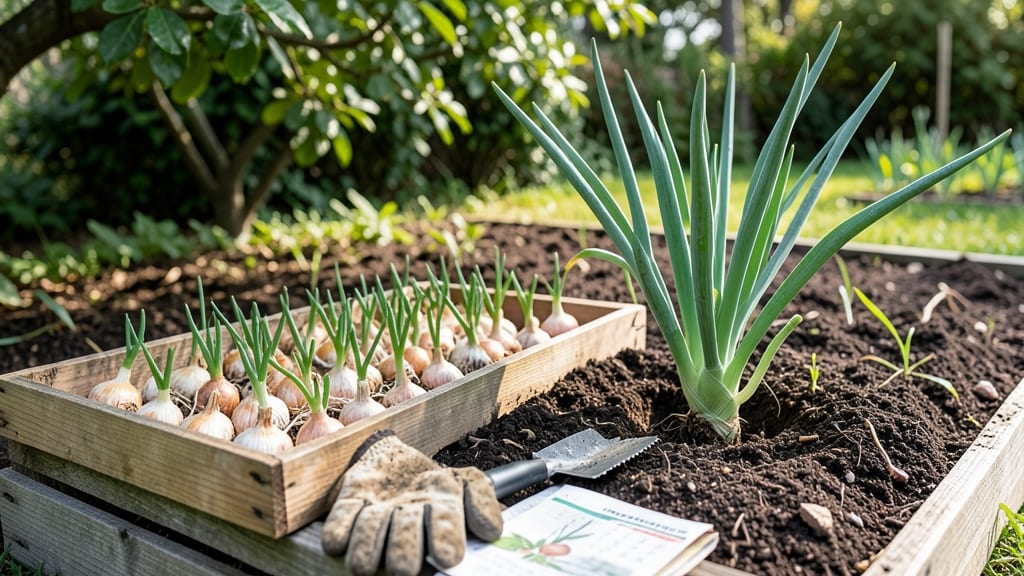
Planting onions in Idaho might seem straightforward, but timing is everything—especially when you're dealing with 3b-7b zones that swing from freezing winters to scorching summers. Get those 🧅 bulbs in the ground too early, and you risk frost damage; too late, and you’ll miss the sweet spot for flavorful harvests.
The key lies in understanding Idaho’s unique chill-hour needs and frost-free deadlines, which can vary wildly from Boise’s Treasure Valley to the cooler mountain regions.
Most Idaho gardeners swear by spring planting in March or April, but fall planting in August-September can also work if you’re growing short-day varieties. The trick? Aligning your schedule with Idaho’s last frost dates—typically around April 15 in Boise but earlier in northern zones.
Whether you’re direct-sowing seeds or transplanting sets, these windows make all the difference between a bumper crop and a disappointing yield.
What I’ve learned from years of Idaho gardening is that soil prep matters just as much as timing. The Gem State’s alkaline soils often need amendments like compost or sulfur to create the ideal growing conditions.
Plus, choosing the right onion variety—whether it’s cold-hardy short-day types for northern zones or milder long-day varieties for southern Idaho—can mean the difference between a thriving garden and one that struggles.
Ready to master Idaho onion planting? I’ll walk you through the exact chill-hour requirements, frost-free deadlines, and soil prep steps to ensure your 🧅 harvest is bigger and sweeter than ever. Let’s get those bulbs in the ground the right way.
Idaho onion planting timeline by chill-hours and frost zones
Idaho’s USDA zones 3b-7b create a unique challenge for onion growers. Unlike many vegetables, onions need specific chill-hour requirements to form bulbs properly. In Idaho, this means choosing between short-day varieties (for southern zones) and long-day varieties (for northern zones).
Timing your plantings around Idaho’s last frost dates is critical. For example, Boise (Zone 6b) typically sees its last frost around April 15, while northern Idaho (Zone 5b) may not be frost-free until May 1. These differences directly impact when you should plant.
Most Idaho gardeners focus on spring planting (March–April) for the main harvest, but fall planting (August–September) can also work in warmer zones. The key is understanding how many chill hours your onion variety needs before bulbing.
| USDA Zone | Last Frost Date | Spring Planting Window | Fall Planting Window | Recommended Varieties |
|---|---|---|---|---|
| Zone 3b-4a (Northern Idaho) | May 1 | April 15–May 1 | August 1–September 1 | Red Baron, Sweet Sandwich |
| Zone 5b-6a (Treasure Valley) | April 15 | March 15–April 15 | August 15–September 15 | Stuttgarter, Yellow Sweet Spanish |
| Zone 6b-7b (Southern Idaho) | April 1 | February 15–March 31 | September 1–October 1 | Texas Early White, California Early |
Note: Adjust planting dates 1-2 weeks earlier for high-elevation areas or later for low desert regions.
For spring planting, aim to get onions in the ground 4-6 weeks before your last frost date. This gives them enough time to establish roots before warmer weather arrives. In Zone 6b, that means planting by March 15 for most varieties.
If you’re growing long-day onions (like Texas Early White), they need 12-16 hours of daylight to bulb properly. In Idaho, these varieties should be planted in late winter to early spring to take advantage of increasing daylight.
For fall planting, focus on short-day varieties like Red Baron, which tolerate cooler temperatures. Plant 8-10 weeks before your first frost (typically August 15–September 1 in most of Idaho). This gives bulbs time to mature before winter sets in.
One common mistake is planting onions too early in cold soil. Soil temperatures below 40°F can stunt growth. Use a soil thermometer to ensure soil is at least 45°F before planting.
In Zone 7b (like Nampa), you can even try two crops per year: one in February–March and another in August–September. Just be sure to choose varieties suited to your specific daylength requirements.
Remember, Idaho’s microclimates can vary dramatically. A garden in Boise’s Treasure Valley may have a longer growing season than one in Coeur d’Alene’s mountainous region. Always adjust your planting timeline based on your local frost dates and elevation.
How to adjust onion planting for Idaho’s microclimates and soil conditions
Idaho’s diverse geography—from the Treasure Valley’s low desert floors to the mountainous regions of the Panhandle—creates unique growing conditions for onions. Elevation changes of 2,000+ feet can shift planting windows by 4-6 weeks, so adapting your approach is key to success.
In low-elevation areas like Boise or Twin Falls (USDA Zones 7a-7b), you can plant spring onions as early as late February under frost-free conditions. Meanwhile, higher elevations (Zones 5a-6a) may need to wait until mid-April to avoid frost damage.
Soil type also plays a critical role. Idaho’s sandy loam soils drain well but lack organic matter, while clay-heavy areas (common in the Palouse) can become waterlogged. Amend your soil with compost or aged manure to improve drainage and fertility before planting.
For fall-planted onions, aim to sow seeds or sets 8-10 weeks before your region’s first frost. In Boise (Zone 7a), this means August 15-September 1, while Coeur d’Alene (Zone 6a) gardeners should plant by August 1 to allow bulbs to mature before winter.
If you’re growing onions in container gardens (common in urban areas like Meridian), use well-draining pots with a minimum 12-inch depth. Container-grown onions need consistent moisture and benefit from mulching to retain heat in cooler microclimates.
Finally, consider onion varieties suited to Idaho’s climate. Short-day varieties like ‘Texas Early White’ thrive in southern Idaho, while long-day varieties such as ‘Sweet Sandwich’ perform better in northern regions. Always check the seed packet for day-length requirements to match your location.
With these adjustments, you’ll avoid common pitfalls like bolting (premature flowering) or rot from poor drainage, ensuring a bountiful harvest regardless of where you garden in Idaho.