
Plants
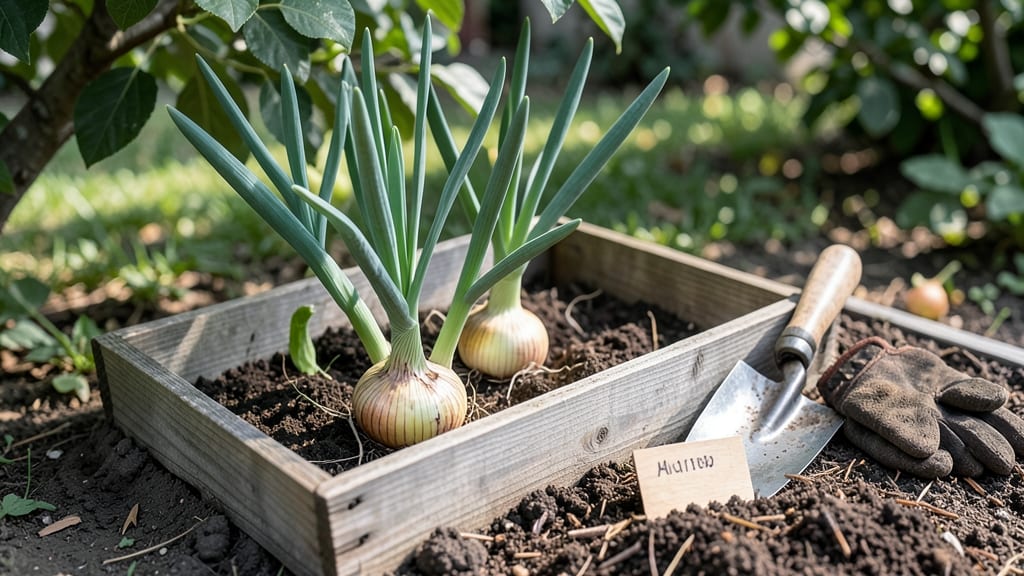
Optimal planting dates for onions in Victoria based on soil temperature
Planting onions in Victoria Australia requires precise timing to align with soil temperature thresholds of 10–15°C. Unlike frost-sensitive crops, onions thrive in cooler conditions but need consistent warmth to form bulbs. My ideal planting windows are autumn (March–May) and early spring (August–September), when soil warms gradually without overheating.
Victoria’s cool temperate climate means soil temperatures fluctuate by region. In Melbourne’s inner suburbs, soil hits 10°C by late March, perfect for autumn planting. Meanwhile, Gippsland’s cooler highlands may need to wait until early April to avoid premature bolting.
Always check soil temps with a soil thermometer—it’s your best tool for zero-waste success.
For spring planting (August–September), aim for 12–15°C soil temperatures to prevent stunted growth. Inland areas like Bendigo often reach this threshold by early September, while coastal Geelong may need to start in late August.
Pro tip: Mulch with straw to stabilize soil temps and retain moisture during Victoria’s unpredictable spring showers.
Here’s how my regional planting calendar breaks down for Victoria’s key areas:
Why these dates? Onions planted too early in warm soil (>15°C) bolt prematurely, wasting your harvest. Conversely, planting too late risks stunted bulbs from Victoria’s short growing season. My trick? Start seeds indoors in February for autumn crops, then transplant when soil warms.
For container gardening, adjust timing by 2–3 weeks earlier—pots warm faster. Use black plastic mulch to raise soil temps by 3–5°C in cooler regions like Gippsland. This simple hack extends your planting window and boosts bulb size, reducing waste.
Always monitor weather forecasts for Victoria’s unpredictable four-season days. A sudden heatwave in April can trigger bolting, while unseasonal frosts in September may damage young plants. When in doubt, plant sets (small bulbs) instead of seeds—they’re more forgiving and mature faster.
Pro tip: Succession plant every 3 weeks in autumn for a continuous harvest. This zero-waste strategy ensures you always have fresh onions without overloading your garden at once. Pair with leeks or shallots for a low-maintenance allium family that thrives in Victoria’s climate.
🌱
Frost-free timeline for zero-waste onion growth in Victoria’s climate
Victoria’s climate offers a long growing season for onions, but understanding frost-free periods is key to avoiding bolting and maximizing yields. Unlike northern climates, most of Victoria enjoys frost-free summers, but inland areas like Bendigo can experience light frosts between June and August.
Coastal regions like Mornington Peninsula rarely see frost, giving gardeners more flexibility.
For zero-waste gardening, align your planting with Victoria’s last frost dates to ensure onions mature before summer heat. In Melbourne’s metropolitan area, the average last frost occurs around late May to early June, while inland regions may experience frost until mid-June.
Planting too early risks frost damage, while planting too late may lead to small, pungent bulbs instead of sweet, storage-friendly ones.
Here’s how to use Victoria’s frost-free timeline for successive planting and continuous harvests:
🌱 Key Takeaways for Frost-Free Onion Growth
Plant March–April for autumn-winter harvests. Frost risk is minimal.
Wait until late March–early April to avoid frost damage.
Plant when soil reaches 10–15°C (use a soil thermometer).
Sow every 3–4 weeks from March to May for staggered harvests.
To extend your harvest window, consider spring planting (August–September) for onions that mature in late November–December. This works well in coastal Victoria where frosts are rare. For inland gardeners, focus on autumn planting and protect young plants with frost cloth if temperatures drop below 5°C.
Another zero-waste tip: Use onion sets (pre-germinated bulbs) instead of seeds for faster, more predictable growth. Sets planted in March–April will be ready to harvest by October–November, just as summer heat ramps up. This timing ensures you beat the heat and avoid bolting.
Pro tip: Monitor Bureau of Meteorology frost forecasts for your region. In Victoria, light frosts can occur in June–July, but they rarely harm established onion plants. Young seedlings, however, may need row covers during these months for protection.