
Trees
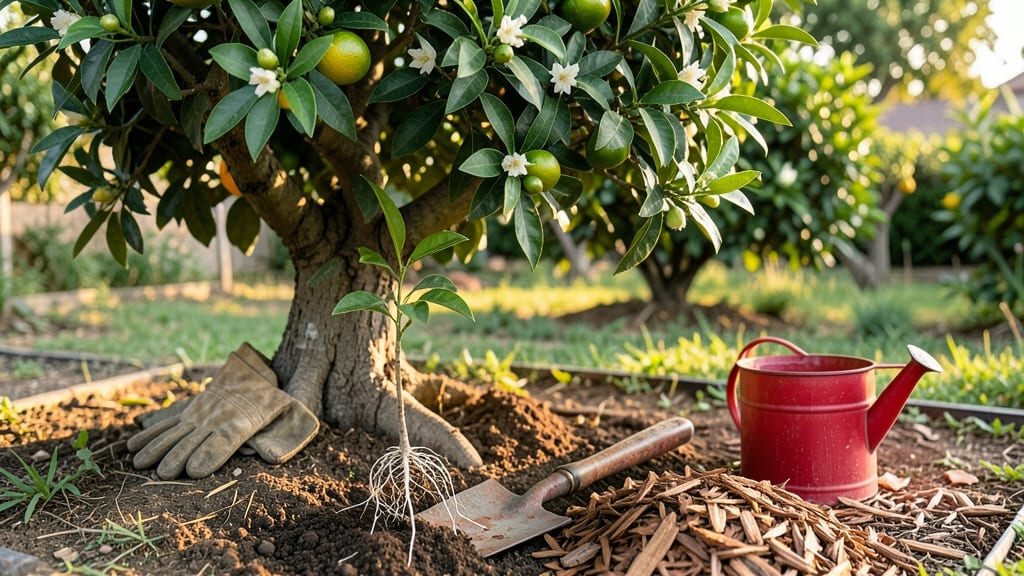
If you’ve ever dreamed of planting your own sweet, homegrown orange trees in Southern California, timing is everything. Knowing when to plant orange trees in southern California means the difference between a thriving citrus grove and a struggling sapling that never quite takes off.
Here’s the secret: Southern California’s frost-free climate means you can plant year-round, but late winter to early spring—February through April—is when your tree will establish roots faster and start bearing fruit sooner.
Whether you’re in coastal areas with milder temperatures or inland zones with hotter summers, knowing the best window for planting sets you up for success.
I’ll break down exactly when to plant based on your microclimate, how to prep your soil for maximum growth, and whether to start with a nursery tree or a seed.
Plus, I’ll share the most important watering and care tips to keep your orange tree thriving in Southern California’s unique conditions.
Ready to grow your own citrus bounty? Let’s get started with the best planting schedule for your 🍊 tree’s long-term health and productivity.
Best planting months for orange trees in Southern California’s climate zones
Southern California’s frost-free climate means you can technically plant orange trees year-round. However, the best months for planting—February through April—align with cooler temperatures and natural rainfall, giving young roots the best chance to establish before summer heat arrives.
This timing also avoids the stress of summer planting or the dormancy risks of late fall/winter.
Your planting window depends on your microclimate. Coastal areas like Malibu or San Diego have milder winters, while inland zones like Riverside or Palm Springs experience hotter summers and cooler winters. Even within these zones, soil temperature and moisture availability play critical roles in root development.
For example, planting in May or June is risky in inland areas due to heat stress, while coastal zones can handle later plantings with consistent ocean breezes.
Here’s how to match your planting schedule to your local climate zone:
If you’re planting in February or March, take advantage of natural rainfall to reduce your watering needs. In coastal zones, the wetter winter months provide ideal moisture for root growth, while inland areas may require supplemental irrigation even during these months.
For example, in Riverside, February plantings benefit from 3–4 inches of rain, but you may still need to water once a week to ensure survival.
For those in desert climates, January is your only safe window. Planting in February is risky due to rising temperatures, which can cause transplant shock. Use drip irrigation immediately after planting and keep the root zone consistently moist for the first 3 months.
A 5-gallon bucket of water every 2–3 days is a good rule of thumb until roots establish.
One common mistake is assuming all of Southern California is frost-free. While coastal and valley areas rarely see frost, high-elevation zones (above 3,000 feet) can experience light frosts in winter.
If you’re planting in these areas, choose cold-hardy varieties like ‘Satsuma’ mandarins or ‘Trifoliate’ hybrids, which tolerate 25°F without damage. Always plant after the last frost date, which in these zones is typically mid-April.
Pro tip: Container-grown orange trees (from nurseries) establish 30–50% faster than bare-root seedlings because their root systems are already developed. If you’re planting in summer (June–August), opt for container-grown trees and provide afternoon shade for the first 2 weeks to prevent leaf scorch.
Mulch heavily with 3–4 inches of wood chips to insulate roots from heat stress.
How soil temperature and rainfall affect orange tree root growth
Southern California’s mild winters and dry summers create unique challenges for orange tree root development. Unlike northern climates, soil temperatures rarely drop below 60°F, but moisture availability becomes the critical factor.
Roots struggle to establish when soil stays too dry, while excessive moisture can suffocate them—especially in clay-heavy soils common in inland areas.
Orange trees thrive when planted during cooler, wetter months (February–April) because soil temperatures between 65°F–75°F encourage root expansion. Inland regions like Riverside or Palm Springs may need supplemental watering to mimic natural rainfall, while coastal areas like Malibu or Santa Barbara benefit from winter rains.
Use a soil thermometer to check depth (4–6 inches). Ideal temps for planting are 65°F–75°F. If soil is below 60°F, delay planting—roots won’t grow effectively. In dry inland zones, water deeply 3 days before planting to prepare the soil.
| Factor | Coastal Zones | Inland Zones |
|---|---|---|
| Soil Temp for Planting | 65°F–75°F (year-round) | Wait for 65°F+ (Feb–April) |
| Rainfall Support | Natural winter rains | Supplement with 15–20 gallons/week |
| Root Growth Peak | Spring (March–May) | Early spring (Feb–March) |
| Drainage Risk | Low (sandy soils) | High (clay soils) |
In coastal areas, natural rainfall often aligns with ideal planting times, but inland zones require proactive watering. For example, Valencia oranges planted in April in Riverside may suffer from heat stress if soil isn’t pre-moistened. Always amend clay soil with compost to improve drainage before planting.
Monitor root growth by gently lifting the tree 3 months post-planting. Healthy roots should spread 12+ inches wide and be white or light tan. Brown or mushy roots signal overwatering or fungal issues. Adjust your watering schedule based on soil type—sandy soils dry faster than clay.
Pro tip: Mulch with 3–4 inches of wood chips to retain moisture and regulate soil temperature. This mimics the natural humidity of coastal microclimates, even in dry inland gardens. Reapply mulch annually to maintain effectiveness.