
Plants
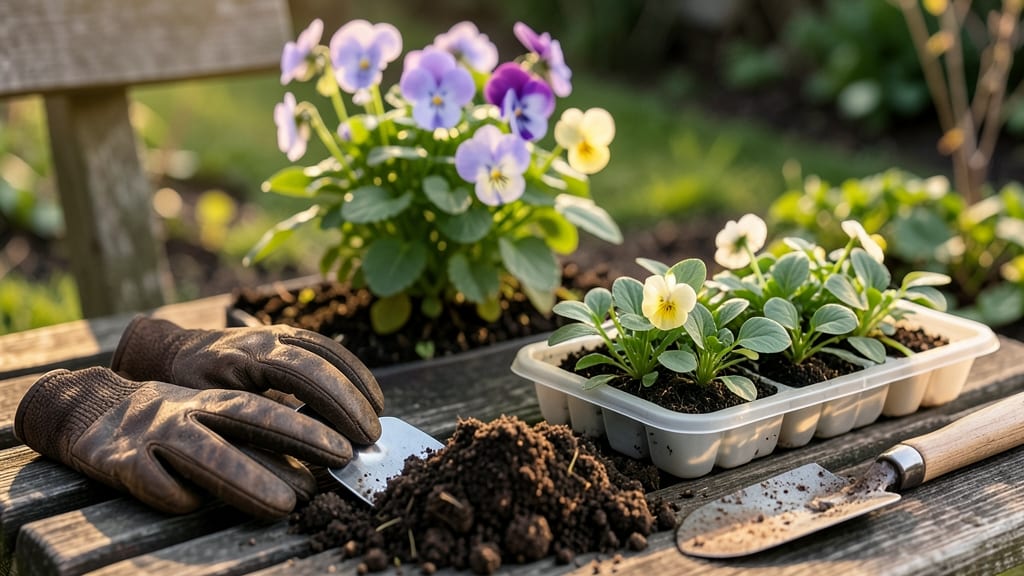
Spring planting timeline for pansies by USDA hardiness zones
Timing your pansies for spring planting depends on your USDA hardiness zone and last frost date. These cold-hardy flowers thrive when planted 4-6 weeks before the average last frost, giving roots time to establish before warm weather.
In Zone 5, for example, that means planting between March 15 and April 1, while Zone 8 gardeners can start as early as November or even February for fall/winter blooms.
Use your local frost-free date as your anchor. Check the National Weather Service or Almanac for your region’s specific timeline. In Zone 3, wait until late April to avoid frost damage, while Zone 10 gardeners can plant year-round with minimal frost risk.
Always err on the side of planting later if early dates are uncertain—pansies won’t survive freezing soil.
Here’s how to adjust for unpredictable frosts. If your area has a history of late spring freezes, delay planting until mid-April even in Zone 6.
Conversely, if you’re in a mild-winter zone like Zone 7, you can start as early as February for a longer bloom season. Use row covers or cold frames to protect early plantings if frost threatens.
For container gardening, timing is slightly more flexible. Pots warm up faster than garden beds, so you can plant 2-3 weeks earlier than in-ground. Just ensure containers have drainage holes to prevent root rot from soggy soil.
In Zone 4, that means starting containers around March 1 instead of March 15.
🌸 Pansy Planting Timeline by USDA Zone
| Zone | Ideal Planting Window | Adjustments for Frost | Notes |
|---|---|---|---|
| 3-4 | Late April to early May | Wait for soil to warm above 40°F | Use row covers for early starts |
| 5-6 | March 15 to April 15 | Delay if frost predicted after April 1 | Best for spring and fall blooms |
| 7-8 | February to April | Can plant year-round in Zone 8 | Succession plant for continuous color |
| 9-10 | November to February | No frost adjustments needed | Ideal for winter gardens |
If you’re unsure about your last frost date, use this trick: Plant a test row of pansies 2 weeks before your expected date. If they survive without frost damage, you’re good to go.
If not, wait another week and replant. This trial method works especially well for Zone 5-7 gardeners where frost timing varies yearly.
For extended blooms, consider succession planting. In Zone 6, for example, plant a second batch in early May to replace the first wave of pansies that may wilt in summer heat.
This ensures continuous color from spring through fall. Choose heat-tolerant varieties like ‘Matrix’ or ‘Cool Wave’ for better performance in warmer months.
Remember, soil temperature matters just as much as air temperature. Pansies struggle in cold, wet soil, so wait until the ground reaches at least 40°F before planting. Use a soil thermometer to check—this is especially critical in northern zones where soil warms slowly.
Amend your soil with compost or aged manure to improve drainage and warmth retention.
Pro tip: Mark your planting dates on a garden calendar with colored flags for each zone. Include notes like “Zone 5: Use frost cloth” or “Zone 8: Plant every 6 weeks.”
This visual reminder helps you stay on track when spring planting season arrives. Over time, you’ll refine your timing based on your local microclimate.
Finally, don’t forget that pansies are biennials in many climates. If planted correctly in fall or early spring, they’ll often rebloom the following year. This makes them a low-maintenance perennial in Zones 7-10, where winters are mild.
In colder zones, treat them as annuals but enjoy their bold colors and early blooms each spring.
Spring planting timeline for pansies by USDA hardiness zones
Timing your pansy planting depends entirely on your USDA hardiness zone and last frost date. Pansies thrive in cool weather but won’t survive freezing temperatures. Aim to plant 4-6 weeks before your last frost—this gives them time to establish roots before summer heat arrives.
For example, in Zone 5, where last frosts typically hit around April 15, plant pansies between March 15 and April 1. In warmer Zone 8, you can even plant pansies in November or February for stunning winter color.
Always check your local frost-free date to adjust timing accordingly.
📌 Key Tip: Use a frost calendar or local gardening app to track your region’s average last frost. Many garden centers provide this info for free!
| USDA Zone | Last Frost Date | Planting Window | Notes |
|---|---|---|---|
| Zones 3-4 | May 1 | April 15-April 30 | Use frost cloth for early plants. |
| Zones 5-6 | April 15 | March 15-April 1 | Ideal for early spring blooms. |
| Zones 7-8 | March 1 | February 1-March 15 | Can plant fall or spring. |
| Zones 9-10 | December 1 | November-February | Plant for winter color. |
If you’re unsure about your last frost date, check resources like the Old Farmer’s Almanac or your local cooperative extension service. These tools provide region-specific frost predictions that align with pansy planting needs.
For northern climates, consider using row covers or cold frames to extend the growing season. This lets you plant pansies slightly earlier without risking frost damage. Just remove covers once soil warms to 45°F (7°C).
Remember: Pansies hate heat. Planting too late in spring means they’ll bolt (send up seed stalks) before blooming. Stagger planting in 2-3 batches for continuous color from spring to fall.