
Trees
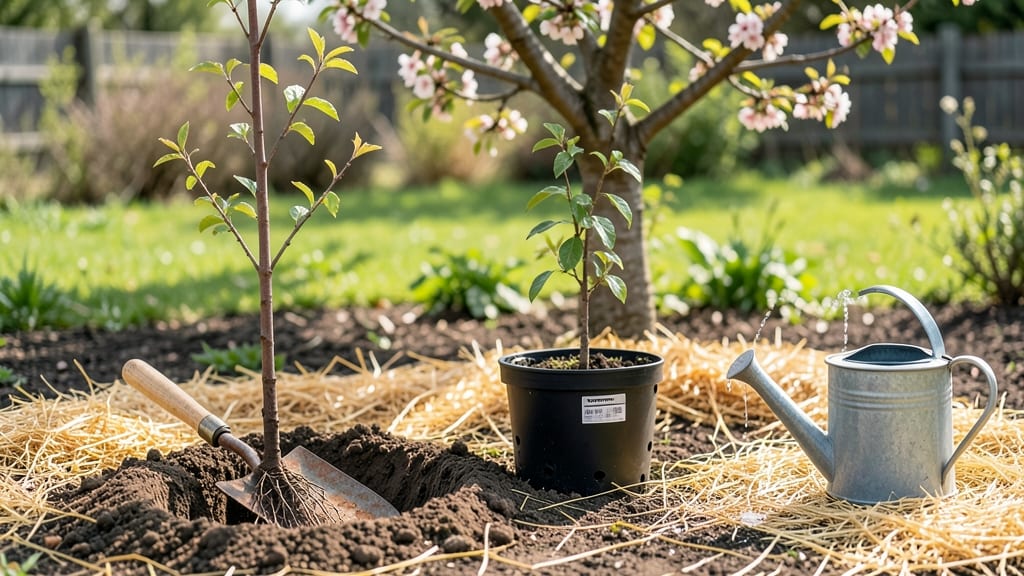
Timing your Peach Tree 🍑 planting in Tennessee isn’t just about the calendar—it’s about beating the clock on those sneaky late frosts that can turn your dream orchard into a sad, brown memory.
In USDA Zone 7b, where temperatures can swing wildly, planting too early or too late means your tree might not survive the winter’s icy surprises.
Most gardeners in Tennessee swear by late winter to early spring as the sweet spot, but why? The key is giving your Peach Tree enough time to establish roots before the ground freezes solid.
We’re talking February to April, when soil temperatures are just warm enough to encourage growth without inviting frost damage.
If you’re itching to get started, don’t wait until the last minute—planting 2-3 weeks before your area’s last frost date (usually around mid-March) gives your tree the best shot at thriving.
And let’s be real: nobody wants to spend their summer watching their investment wither away because they rushed the process.
In this guide, I’ll break down exactly when to plant, how to prep your Tennessee soil for success, and which peach varieties will handle the region’s quirks like a pro. Let’s make sure your 🍑 tree grows strong enough to bear fruit—and not just disappointment.
Peach tree planting deadlines in Tennessee’s USDA Zone 7b: exact months to avoid frost damage
In Tennessee’s USDA Zone 7b, timing your peach tree planting is everything—late frosts can strike as late as March 15, and planting too early means roots struggle to establish before winter.
The ideal window is late winter to early spring, specifically February through April, when soil temperatures rise above 45°F but before buds swell. This ensures roots grow strong before summer heat arrives.
Bare-root peach trees are most common and must be planted dormant—meaning before buds break.
If you miss this window, wait until fall planting (October), but this is riskier in Tennessee due to unpredictable late-season frosts. Container-grown trees offer more flexibility but still need 2-3 weeks before last frost to acclimate.
Here’s the critical timeline for Tennessee gardeners: March 1–15 is prime for bare-root trees, while April 1–30 works for container-grown trees. Planting after April 15 risks stunted growth from summer heat stress.
Always check your local last frost date—Middle Tennessee varies by 3–5 days from East to West.
| Planting Stage | Tennessee Deadline | Soil Temp | Key Task |
|---|---|---|---|
| Bare-Root Trees | Feb 15–Mar 15 | 45°F+ | Plant dormant trees; water deeply |
| Container Trees | Mar 1–Apr 30 | 50°F+ | Remove container; prune roots |
| Fall Planting | Oct 1–15 | 60°F+ | Risky; mulch heavily |
| Avoid After | Apr 30 | N/A | Summer heat stress risk |
Tennessee’s microclimates add complexity—East Tennessee’s higher elevations (e.g., Knoxville) may experience frost 2 weeks later than Nashville. Use a frost calendar or local Cooperative Extension Service data to adjust. For example, Chattanooga’s last frost often lands around March 22, while Memphis averages March 10.
If you’re planting in containers, extend your window slightly—pots warm faster in spring. However, bare-root trees planted in containers still need 6+ weeks to root before summer. Root stimulator can help, but don’t rely on it to extend deadlines.
Always prioritize root establishment over fruit production in the first year.
Pro tip: Test soil temperature with a soil thermometer before planting. Peach roots need 50°F+ to grow actively. If temps dip below 40°F, delay planting until conditions improve. Cold soil leads to root rot and poor survival rates.
For young trees, mulch with 4–6 inches of wood chips immediately after planting to insulate roots. In Zone 7b, this extends the safe planting window by 1–2 weeks by moderating soil temps. Avoid fresh mulch—it can draw heat and harm roots. Use aged mulch instead.
Remember: Peach trees need chill hours (400–900) to fruit, but Tennessee’s mild winters can disrupt this. If you plant too late, the tree may bloom poorly the following spring. Early spring planting ensures the tree gets its required chill hours before summer heat arrives.
Finally, avoid fall planting unless you’re in West Tennessee’s warmer microclimates (e.g., near Jackson). Even then, mulch 8–12 inches deep to protect roots. Frost damage is the #1 reason peach trees fail in Tennessee—don’t let timing be your downfall!
Peach tree planting deadlines in Tennessee’s USDA Zone 7b: exact months to avoid frost damage
Tennessee’s USDA Zone 7b brings unpredictable late frosts that can devastate young peach trees if planted at the wrong time. The ideal window for planting is February through early April, but timing depends on your specific microclimate and last frost date.
Most regions experience their last frost around mid-March, so aim to plant 2-3 weeks before this date to give roots time to establish before summer heat arrives.
For bare-root trees, planting in late winter (February) works well since they’re dormant and less vulnerable to frost damage.
If you’re using container-grown trees, early spring (March) is safer, as they need more time to adapt to outdoor conditions. Never plant in fall—Tennessee’s early frosts can kill tender roots before winter dormancy sets in.
Here’s a quick reference for Tennessee’s planting deadlines based on local frost patterns:
| Stage | Action | Tennessee Timeline |
|---|---|---|
| Bare-Root Planting | Plant dormant trees | Late February - Early March |
| Container-Grown Planting | Transplant established trees | Mid-March - Early April |
| Last Frost Window | Avoid planting after | Mid-March (varies by region) |
| Root Establishment | Soil temp must reach 50°F | Early April (minimum) |
If you miss the spring window, your only safe option is container planting—grow trees in pots until next spring. Tennessee’s first frost typically hits around mid-November, so fall planting is risky unless you’re in a microclimate with later frosts, like the Nashville area.
Always check your local frost-free date from the Tennessee State Climatologist for precision.
Pro tip: Use mulch (straw or wood chips) immediately after planting to insulate roots and retain moisture. This is especially critical in Tennessee’s clay-heavy soils, which can stay too wet or dry out too quickly.
Mulch also helps regulate soil temperature, giving young trees a better chance to survive unpredictable Zone 7b frosts.
For container-grown trees, harden them off for 7-10 days before transplanting by placing them outdoors during the day and bringing them in at night. This gradual transition reduces shock and improves survival rates in Tennessee’s variable spring weather.
Remember: Peach trees need 300-500 chill hours to fruit properly, and Tennessee’s climate provides plenty. But if you plant too late, your tree might not have enough time to establish roots before summer heat sets in—leading to stunted growth or even death. Timing is everything in Tennessee’s Zone 7b!