
Trees
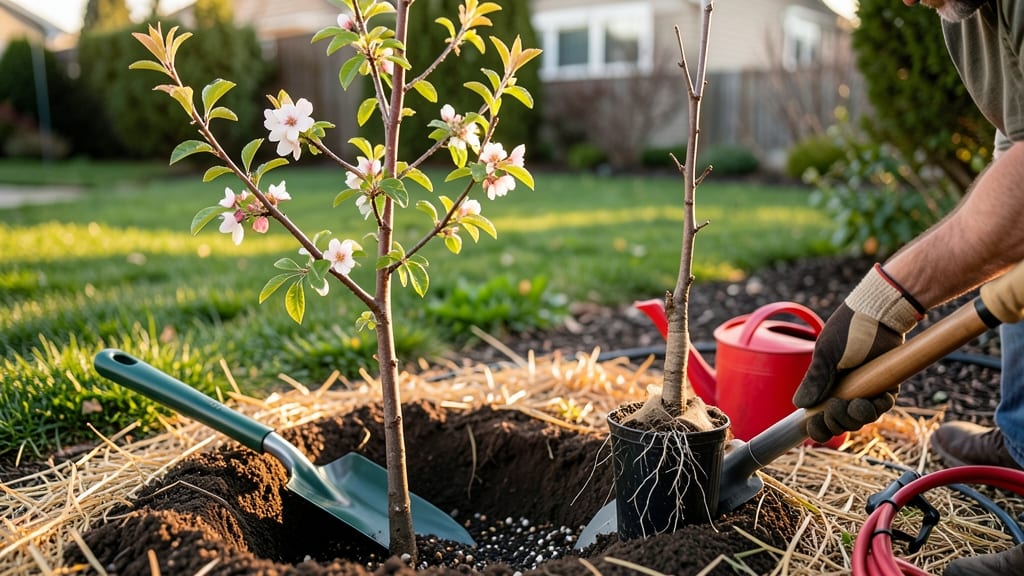
Planting a 🍑 peach tree in Virginia at the wrong time could mean watching your investment wither before it even takes root. The difference between a thriving orchard and a sad, frost-bitten sapling often comes down to understanding your local chill hours and frost-free deadlines.
Virginia’s 6a-8a zones create a delicate balance—too early, and your tree faces late frosts; too late, and it struggles to establish roots before summer heat sets in. Most gardeners in the Piedmont or Shenandoah Valley swear by late winter to early spring planting, but coastal areas have their own rhythm.
In this guide, I’ll break down the exact month-by-month timeline for your region, plus pro tips for soil prep, rootstock selection, and even container planting if you’re working with limited space. Get it right, and you’ll be picking juicy peaches by June or July—no guesswork required.
Whether you’re a first-time gardener or a seasoned orchard keeper, timing is everything. Let’s make sure your 🍑 peach tree gets the perfect start for a lifetime of harvests.
Virginia’s chill-hour zones: why timing matters for peach tree success
Peach trees thrive in Virginia’s moderate climate, but their success hinges on chill hours—the number of hours below 45°F (7°C) they need to bloom and fruit. Virginia spans USDA Zones 6a–8a, with chill-hour ranges from 400–1,000 hours, making variety selection and planting timing critical.
In Northern Virginia (Zone 6a–7a), trees need 800–1,000 chill hours (e.g., Reliance or Redhaven varieties). Central Virginia (Zone 7a–7b) requires 600–800 chill hours (e.g., Elberta), while Coastal Virginia (Zone 7b–8a) thrives with 400–600 chill hours (e.g., Contender or Sanguinelle).
Choosing the wrong variety for your chill-hour zone can lead to poor pollination or no fruit. For example, a 1,000-hour variety planted in Zone 8a may bloom late and miss pollinators entirely. Always match your tree to your local chill-hour requirements.
Planting too early (before soil temperatures reach 50°F (10°C)) risks root rot or frost damage. Conversely, planting too late delays root establishment, leaving young trees vulnerable to summer drought or winter cold.
Aim for late winter to early spring, when soil is workable but frost-free dates are still 4–6 weeks away.
🌱 Virginia Peach Tree Chill-Hour & Variety Guide
| Region | USDA Zone | Chill Hours | Best Varieties | Planting Window |
|---|---|---|---|---|
| Northern VA | 6a–7a | 800–1,000 | Reliance, Redhaven, Loring | Late March–April |
| Central VA | 7a–7b | 600–800 | Elberta, Halford, Contender | Late February–March |
| Coastal VA | 7b–8a | 400–600 | Sanguinelle, Contender, Redtop | February–Early March |
⚠️ Pro Tip: Check your local chill hours using the Virginia Cooperative Extension chill-hour map for precise variety matching.
Peach trees in higher chill-hour zones (6a–7a) benefit from early spring planting (late March–April) to maximize root growth before summer heat. In lower chill zones (7b–8a), plant as early as February to avoid late-season heat stress.
Soil preparation is just as critical as timing. Virginia’s clay-heavy soils in the Piedmont or sandy soils near the coast require amendments like compost or organic matter to improve drainage. Test your soil’s pH (ideal: 6.0–6.5) and adjust with lime (to raise pH) or sulfur (to lower pH) before planting.
Mulching with wood chips or straw helps retain moisture and regulate soil temperature, especially in Coastal Virginia’s warmer microclimates. Avoid piling mulch against the trunk to prevent rot or pests.
In Northern Virginia’s colder zones, add an extra layer of mulch in winter to protect roots from freeze-thaw cycles.
Finally, consider microclimates—a south-facing slope warms up faster than a north-facing valley, extending your effective growing season. If you’re in Zone 7a or warmer, you might even experiment with fall planting (September–October) for dwarf varieties, though this requires careful winter protection.
By aligning your peach tree variety, planting window, and soil prep with Virginia’s chill-hour zones, you’ll set the stage for healthy growth and bountiful harvests for decades. 🌳
Step-by-step planting timeline by Virginia region (frost-free deadlines)
Virginia’s diverse climate means your peach tree planting window shifts dramatically from the coastal plains to the mountain regions. Coastal areas like Norfolk can plant as early as February, while higher elevations near Roanoke may wait until late April.
Let’s break down the ideal month-by-month timeline for each region to ensure your tree thrives.
For all regions, aim to plant 2-3 weeks before the last frost date. This gives roots time to establish before summer heat arrives. Use local USDA zone maps (6a–8a in Virginia) as a guide, but always check your average last frost date for precision.
Most Virginia gardeners rely on the Virginia Cooperative Extension frost charts for accuracy.
Here’s your region-specific planting timeline, including soil prep and post-planting care to maximize success:
🌱 Northern Virginia (Zones 6a–7a)
🌿 Central Virginia (Zones 7a–7b)
🌊 Coastal Virginia (Zones 7b–8a)
Pro tip: If you miss the ideal window, container planting extends your flexibility. Use 5-gallon pots for dwarf varieties and move them to the ground in late spring once frost risk passes. Just ensure pots have drainage holes to prevent root rot—a common issue in Virginia’s humid summers.
Remember, soil temperature matters too! Wait until the ground warms to 50°F (10°C) before planting. Use a soil thermometer to check—cool soil can stunt root growth. For container-grown trees, soak roots in water for 1–2 hours before planting to reduce transplant shock.
🌳 With this timeline, your peach tree will establish strong roots before Virginia’s summer heat peaks, setting the stage for a bountiful harvest in June–August. Happy planting!