
Plants
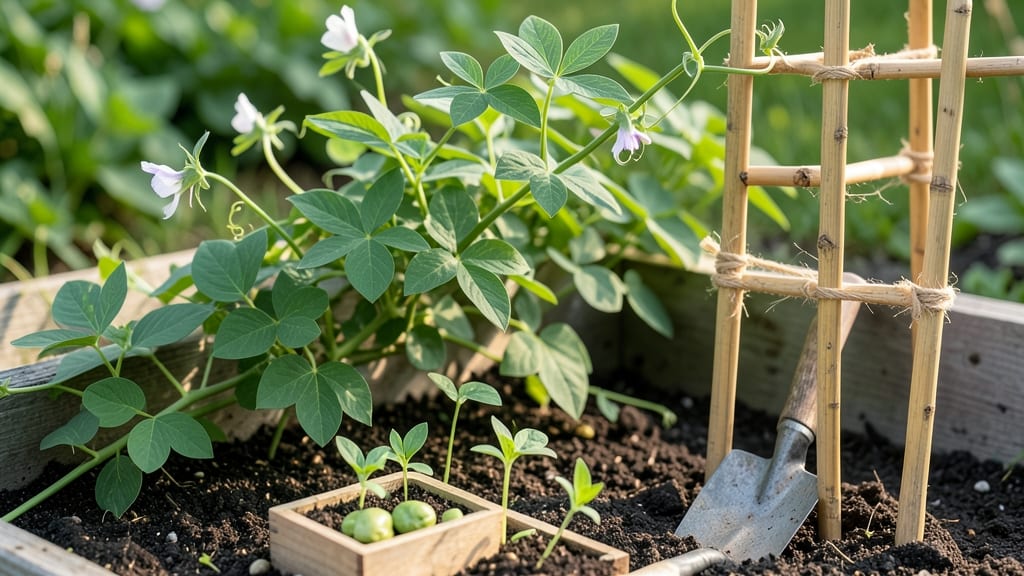
Planting peas in Arkansas at the wrong time could leave you with sad, frost-nipped plants instead of a bountiful harvest. With USDA zones 7a-8b and unpredictable spring weather, timing is everything for these cool-loving 🌱 peas.
The secret isn't just about the calendar—it's about soil warmth and frost-free windows that vary by region.
Most Arkansas gardeners get it wrong by waiting too late in spring or planting fall peas when temperatures creep too high. I'll show you the exact windows—from early February through March for spring plantings and August for fall—that work best in your specific corner of the state.
No more guessing games.
You'll also discover how to test soil temperature (the 40-50°F sweet spot for peas) and which varieties thrive in Arkansas' climate. Whether you're in Little Rock, Fayetteville, or Texarkana, these tips will help you avoid common pitfalls like wet spring soil or unexpected late frosts.
Let's get your pea plants off to the right start—because with the right timing, you could be harvesting fresh peas by April or October. Ready to learn the Arkansas-specific secrets?
Arkansas frost dates & ideal pea planting windows by region
Arkansas' diverse climate—spanning USDA zones 6b to 8a—means your pea planting timeline depends heavily on where you garden. The state's last average frost dates range from early March in the Ozark Mountains to mid-March in the Delta region, while first frosts arrive between mid-November and early December.
For spring peas, timing is everything: plant too early, and frost will kill tender seedlings; too late, and your harvest will suffer from heat stress.
Peas thrive in cool temperatures (40-75°F), making Arkansas' two optimal planting windows—early spring and fall—the best bets. Spring plantings should start 4-6 weeks before your last frost date, while fall plantings work best 8-10 weeks before your first frost.
Let's break down the best times for Arkansas' three key regions: Northern Arkansas (Fayetteville), Central Arkansas (Little Rock), and Southern Arkansas (Texarkana).
Here’s how to align your planting with Arkansas’ frost-free windows and regional microclimates:
For spring peas, aim to have your seeds in the ground 4-6 weeks before your last frost date.
In Northern Arkansas, this means starting as early as mid-February, while Southern Arkansas gardeners can wait until early March. Fall plantings should begin 8-10 weeks before your first frost, giving you a harvest before winter sets in.
Arkansas' unpredictable spring weather—with sudden cold snaps or prolonged wet periods—can throw off your planting schedule. To mitigate risks, use row covers or cold frames to protect young plants.
For fall plantings, choose heat-tolerant varieties like 'Carouby de Maussane' or 'Oregon Sugar Pod', which can handle late-summer heat better than traditional types.
Pro tip: Monitor your local Arkansas Cooperative Extension Service updates for real-time frost forecasts. Their 30-year averages are a great starting point, but Arkansas' microclimates mean your actual frost dates could vary by 1-2 weeks.
For example, mountainous regions like the Ozarks may experience frost 10-14 days later than valley areas.
If you're in Zone 8a (Southern Arkansas), you can even experiment with winter peas! Plant hardy varieties like 'Lincoln' in late October for a harvest in late winter or early spring. Just be prepared to provide frost protection during Arkansas' occasional Arctic blasts.
Remember, peas are cool-season crops, so avoid planting when soil temperatures exceed 80°F. In Arkansas' hot summers, peas will bolt (flower prematurely) or produce bitter, stringy pods. Save those varieties for spring and fall only.
Soil temperature & pea variety requirements for Arkansas gardens
Peas thrive when planted in cool soil between 40-50°F—too warm, and they bolt; too cold, and germination slows. In Arkansas' USDA zones 6b-8a, this means waiting until soil warms just enough after winter's chill.
Use a soil thermometer to check depth (2 inches down) before planting. For fall plantings, aim for soil temps below 70°F to avoid heat stress.
Not all peas are created equal—Arkansas gardeners should choose varieties that match their climate. Snow peas and sugar snap peas handle Arkansas' humidity better than shelling peas, which need consistent moisture. Early varieties like 'Little Marvel' or 'Green Arrow' sprout quickly in cool soil, while heat-tolerant types like 'Oregon Sugar Pod' extend fall harvests.
🌱 Pea Variety Comparison for Arkansas
| Variety | Type | Days to Harvest | Best for Arkansas |
|---|---|---|---|
| Little Marvel | Shelling | 55-65 days | Early spring |
| Oregon Sugar Pod | Sugar Snap | 60-70 days | Fall harvests |
| Snowbird | Snow Pea | 50-60 days | Humid summers |
Extend Arkansas' growing season by planting fall peas in August—they'll mature before winter frost. Use black plastic mulch to warm soil faster in spring or straw mulch to cool it for fall plantings.
For container gardens, choose bush varieties like 'Tom Thumb' to save space while meeting soil temp needs.
Test soil pH before planting—peas prefer 6.0-7.0. Arkansas' clay-heavy soils often need compost or aged manure to improve drainage. Amend beds with 1 inch of compost mixed into the top 6 inches of soil. Avoid fresh manure, which can burn tender pea roots and delay germination.
If your soil stays too cold in spring, try starter fertilizer with phosphorus to boost root growth. For fall plantings, reduce nitrogen after mid-September to prevent late-season vine growth that won't mature before frost.
Arkansas' humid summers also demand good air circulation—space plants 2-3 inches apart to prevent fungal diseases like powdery mildew.
Remember: Peas fix their own nitrogen, so over-fertilizing harms their symbiotic relationship with soil bacteria. A light 5-10-10 fertilizer at planting is all most Arkansas gardeners need. For organic gardeners, try bone meal at 1 tbsp per foot of row to give roots a phosphorus boost without nitrogen overload.