
Plants
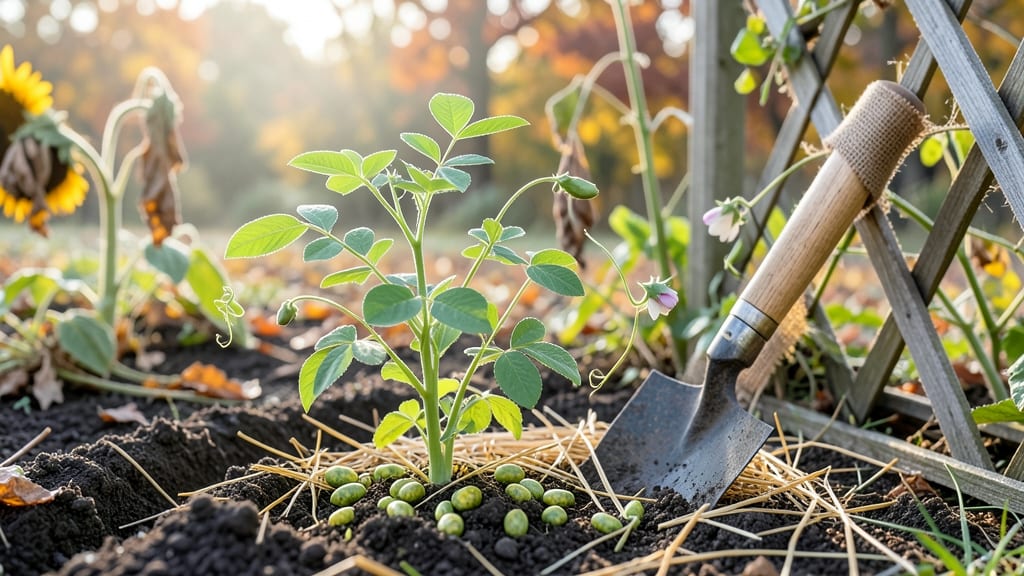
Timing your fall pea planting just right means the difference between a thriving harvest and wasted effort. Those crisp, sweet pods you crave won't magically appear—you need to plant when soil temperatures hit that perfect sweet spot between 45°F and 65°F, or risk bolting or frost damage.
I've learned the hard way that planting too early in warm soil sends peas into a panic, shooting up flowers before they're ready. But get the timing right, and you'll enjoy fewer pests, earlier harvests, and a head start on next year's garden.
Let me show you exactly when to plant in your zone and how to check soil temps like a pro.
Whether you're in USDA Zone 6a or further south, the key is understanding your first frost date and counting backward. We'll break down the best 4-6 week window before winter sets in, plus which cold-hardy varieties perform best when planted in September or October.
Ready to grow peas that actually make it to harvest? I'll walk you through the exact steps—from soil prep to variety selection—to ensure your 🌱 peas thrive through winter and deliver that first sweet taste of spring.
Fall pea planting timeline by soil temperature zones
Timing your fall pea planting correctly means the difference between a thriving crop and wasted seeds. Peas thrive in cool soil temperatures between 45°F and 65°F—too warm, and they bolt; too cold, and germination stalls.
The key is planting when your soil hits 40°F (4°C) minimum but before hard frost hits.
Most gardeners aim for 4-6 weeks before the first frost date in their region. This window ensures peas mature before winter sets in.
For example, in USDA Zone 5, that’s typically mid-September to early October, while in Zone 8, you might push it to late October or even November.
Regional differences matter—northern climates have shorter fall growing seasons, while southern areas can extend planting later. Always check your last frost date and count backward to avoid rushing your crop.
Here’s how to align your planting with soil conditions for success:
| USDA Zone | Soil Temp Range (°F) | Ideal Planting Window | Frost Risk | Notes |
|---|---|---|---|---|
| Zones 3-4 | 45-55°F | Late August to mid-September | High (first frost: Oct 15-Nov 1) | Use cold-hardy varieties like Lincoln or Green Arrow. |
| Zones 5-6 | 45-60°F | Mid-September to early October | Moderate (first frost: Oct 30-Nov 15) | Avoid planting after October 15 in Zone 6. |
| Zones 7-8 | 50-65°F | Late September to November | Low (first frost: Dec 1-Jan 10) | Extend season with row covers or cold frames. |
| Zones 9-10 | 55-70°F | October to December | Minimal (first frost: Dec 20-Jan 5) | Plant sugar snap or snow pea varieties for winter harvests. |
Peas planted in fall benefit from fewer pests like aphids and corn earworms, which thrive in summer heat. Additionally, cooler temperatures slow down pea vine growth, reducing the risk of powdery mildew and other fungal diseases.
If your soil temperature drops below 40°F (4°C) before peas germinate, switch to a warmer microclimate, like a greenhouse or cold frame. These protected areas can add 10-15°F to soil warmth, extending your planting window by weeks.
Always monitor your local 10-day forecast—unexpected cold snaps can derail your crop. Use a soil thermometer to confirm temperatures before planting, especially in unpredictable fall weather.
For gardeners in Zone 5 or colder, consider a light mulch of straw after planting. This insulates the soil, keeping it slightly warmer longer and giving peas a head start before winter sets in.
Remember: Peas planted in fall mature faster than spring-planted ones because they experience cooler temperatures. Aim for a 60-day variety to ensure harvest before frost.
Fall pea planting timeline by soil temperature zones
Peas thrive in cool weather, but planting them too early in fall risks bolting (premature flowering), while waiting too late exposes them to frost damage. The key is timing your planting when soil temperatures hover between 45°F and 65°F.
In most regions, this window opens in late summer to early fall, but exact dates depend on your USDA hardiness zone.
For example, gardeners in Zone 5 or colder should aim for late August to early September, while those in Zone 7 or warmer can plant as late as October.
The goal is to give peas 60-70 days to mature before the first frost—just enough time to produce a harvest before winter sets in.
Here’s how to align your planting with soil temperature for success:
| USDA Zone | Ideal Planting Window | Soil Temp Range (°F) | Notes |
|---|---|---|---|
| 3-4 | Late August to mid-September | 45-55°F | Plant early to avoid early frosts; use row covers. |
| 5-6 | Mid-August to early October | 50-60°F | Best window for fall harvest; avoid late planting. |
| 7-8 | Late August to November | 55-65°F | Extend season with cold frames or mulch. |
| 9-10 | September to December | 60-70°F | Mild winters allow later planting; monitor frost dates. |
Regional microclimates can shift these windows by 2-4 weeks. For instance, coastal areas stay cooler longer, while inland zones may need earlier planting. Always check your last frost date and count backward 60 days to pinpoint your ideal window.
If you’re unsure about soil temperatures, use a soil thermometer (available for under $10) to test depths of 2-3 inches. Peas prefer cooler roots, so avoid planting when soil exceeds 70°F, even if air temps feel mild. This simple check can save your crop from bolting or poor germination.
For gardeners in Zone 4 or colder, consider starting peas in containers or cold frames to extend the season. This protects tender seedlings from sudden temperature drops while keeping roots cool. With the right timing, you’ll enjoy sweet, crisp peas straight from your fall garden before winter arrives.