
Plants
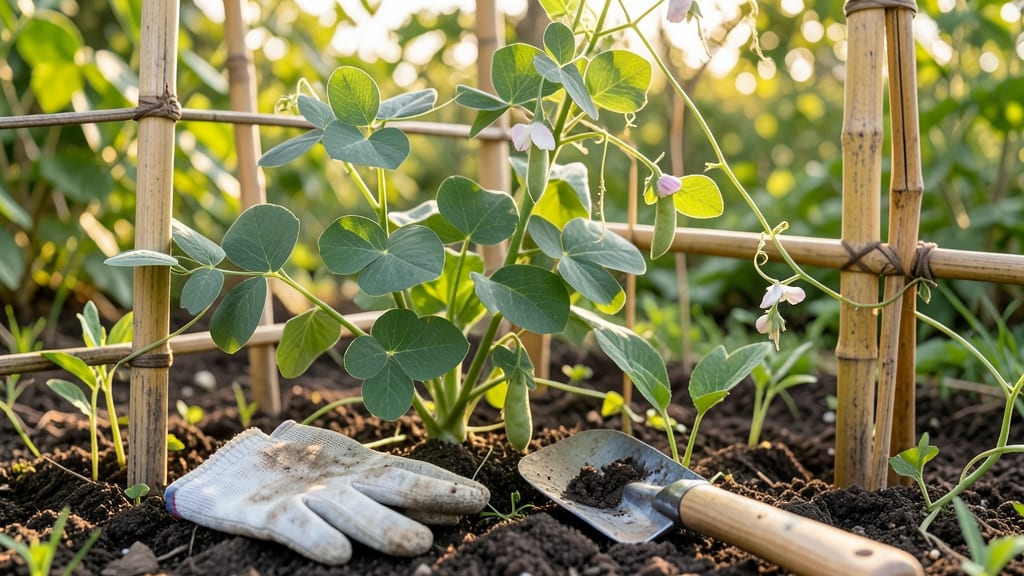
Timing your pea planting in Nebraska can make or break your harvest—especially when unpredictable frosts or late springs threaten your 🌱 peas. Whether you're growing sweet shelling peas or crisp snap varieties, getting the timing right means the difference between a bumper crop and wasted effort.
Most Nebraska gardeners know the last frost date around April 15 is critical, but did you know you can plant peas 4-6 weeks before that date?
That early window gives your peas a head start in the cooler soil of March or April, while still avoiding the worst of winter’s chill.
If you're wondering about fall planting, don’t overlook the late summer window (July-August)—it’s perfect for a second harvest before the first frost hits in October. The key is understanding how your USDA Zone 5a-6b climate plays into these timelines.
I’ll walk you through the exact planting schedule for your favorite pea varieties, plus tips for adjusting when Nebraska’s weather throws you a curveball. Let’s get those peas in the ground at the perfect time!
Optimal planting windows for peas in Nebraska by variety type
Nebraska's cool climate and short growing season make timing critical for pea varieties. The key is planting 4-6 weeks before your last average frost date (typically April 15 in most areas).
This ensures peas mature before summer heat arrives. Let’s break down the best planting windows for shelling peas, snap peas, and snow peas in Nebraska’s USDA zones 4-6.
For early spring plantings, focus on March to early April. This window works best for cold-hardy varieties like Sugar Snap or Green Arrow.
If you miss this window, don’t worry—late summer plantings (July to early August) can still yield a fall harvest before the first frost in mid-October. Let’s explore the specifics for each variety.
| Variety Type | Best Planting Window | Days to Maturity | Notes |
|---|---|---|---|
| Shelling Peas (e.g., Lincoln, Oregon Sugar Pod) | March 15 - April 15 (Spring) or July 15 - August 15 (Fall) | 60-70 days | Tolerates cooler soil; ideal for early spring. |
| Snap Peas (e.g., Sugar Snap, Super Sugar Snap) | April 1 - April 30 (Spring) or July 1 - July 31 (Fall) | 55-65 days | Needs slightly warmer soil; avoid planting too early. |
| Snow Peas (e.g., Oregon Sugar Pod II, Mammoth Melting Sugar) | April 15 - May 15 (Spring) or August 1 - August 15 (Fall) | 60-70 days | Prefers warmer soil; best for late spring or early fall. |
| Dwarf Varieties (e.g., Little Marvel, Tom Thumb) | March 20 - April 10 (Spring) or July 20 - August 10 (Fall) | 50-60 days | Great for containers; faster maturity. |
If you’re planting shelling peas, aim for March 15 to April 15. These varieties handle cooler soil temperatures better than snap or snow peas, making them ideal for Nebraska’s early spring.
For snap peas, wait until April 1 to April 30 to avoid cold soil, which can stunt growth. Snow peas prefer even warmer soil, so plant them April 15 to May 15 for the best results.
For a fall harvest, shift your focus to July and August. Plant shelling peas by July 15 to ensure they mature before the first frost in mid-October. Snap peas and snow peas should go in by August 1 to avoid heat stress and early frosts.
This strategy extends your harvest season and maximizes your garden’s productivity.
One pro tip: Use row covers or cold frames to protect early plantings if unexpected frosts threaten. This extends your planting window by 2-3 weeks in both spring and fall. Just remove covers when temperatures rise above 50°F (10°C) to prevent overheating.
Nebraska’s western regions (like Panhandle) have earlier last frost dates (around April 1), while eastern areas (like Omaha) may wait until April 20. Adjust your planting dates accordingly. Always check your local frost dates for precision—Almanac.com or your local Cooperative Extension office are great resources.
For container gardening, choose dwarf varieties like Little Marvel or Tom Thumb. These mature in 50-60 days and thrive in 5-gallon pots with well-draining soil.
Plant them 2-3 weeks after your last frost date for best results. Containers warm up faster than garden beds, so avoid planting too early.
Finally, don’t overlook succession planting. Sow new pea seeds every 2 weeks from March to May for a continuous harvest. This works especially well for shelling peas, which have a shorter maturity time than snap or snow peas.
With this approach, you’ll enjoy fresh peas from late May through July.
Timing is everything when growing peas in Nebraska. By following these variety-specific windows and adjusting for your local microclimate, you’ll set yourself up for a bountiful harvest—no matter how unpredictable the spring weather gets. Happy planting! 🌱
How to adjust planting dates for Nebraska’s unpredictable spring weather
Nebraska’s variable spring weather can turn your pea planting plans upside down. One year, you might enjoy 60-degree warmth by mid-March, while another brings snow flurries in April. The key is flexibility—knowing how to adjust planting dates based on soil temperature and frost forecasts.
Start by monitoring soil temperatures—peas thrive when soil reaches 45°F (7°C). Use a soil thermometer or check the Nebraska State Climate Office for real-time data. If temps hover below 40°F (4°C), delay planting to avoid slow germination or seed rot.
For early spring plantings, aim for 4–6 weeks before your average last frost date (typically April 15 in most of Nebraska). If late frosts linger, opt for cold-hardy varieties like Sugar Snap or Lincoln, which tolerate light frosts better than delicate snow peas.
🌱 5 Critical Adjustments for Nebraska’s Spring Planting
- 1. Test soil temperature weekly in March—plant only when consistently above 45°F.
- 2. Use frost cloth for 3–4 weeks after planting if late frosts are forecasted.
- 3. Succession plant every 2 weeks in April–May for staggered harvests.
- 4. Choose dwarf varieties (e.g., Little Marvel) for earlier harvests in cool years.
- 5. Plant near windbreaks (e.g., corn stalks) to protect young seedlings from chilling winds.
If unseasonable warmth arrives early, resist the urge to plant too soon. Cold, wet soil can stunt growth or invite fungal diseases. Instead, use row covers to warm the soil faster or opt for container gardening near your home’s south side for microclimate benefits.
For fall plantings (less common but possible), target late July–early August to harvest before first frost (usually mid-October). Choose fast-maturing varieties like Oregon Sugar Pod, which reach harvest in 55–60 days. Mulch heavily to insulate roots and extend the season.
Pro tip: Bookmark the Nebraska State Climate Office’s frost prediction tool to track 10-day forecasts. This lets you time plantings around warm spells rather than guesswork. With these adjustments, you’ll beat Nebraska’s weather and enjoy bountiful pea harvests every season! 🌱