
Plants
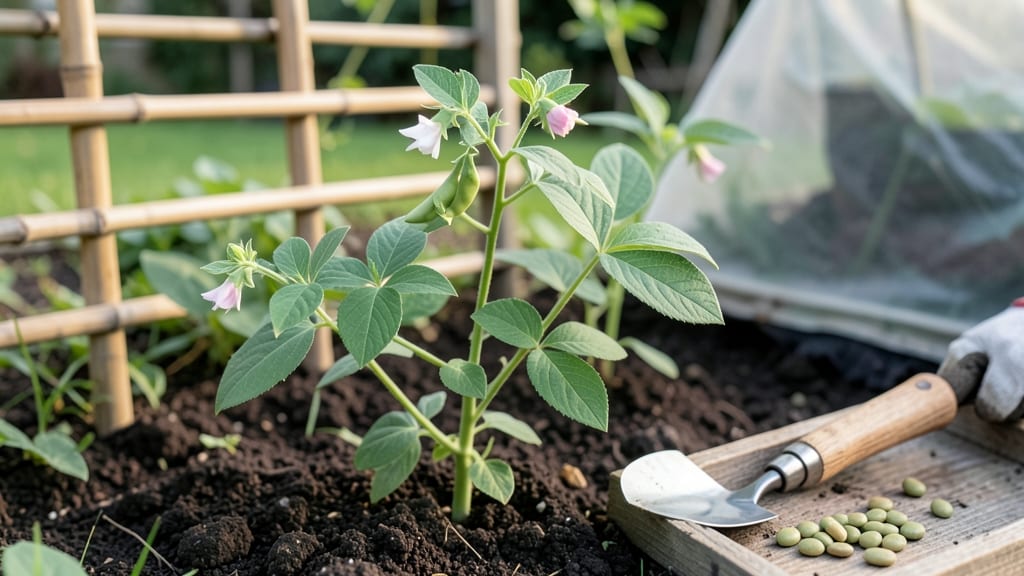
Timing your pea planting in Vermont right can mean the difference between a garden full of sweet, tender 🌱 pods and a sad, frost-nipped failure. With Vermont’s chilly springs and unpredictable frost dates, knowing exactly when to drop those seeds is the key to success.
Most Vermont gardeners swear by early spring plantings between March and April, but late summer options in August also work for a fall harvest. The secret lies in understanding your local frost dates and choosing cold-hardy varieties that thrive in USDA Zone 5b.
I’ve tested the best planting windows over the years, and what I’m about to share will help you avoid common mistakes—like planting too early or skipping soil prep—that can ruin your harvest. Let’s dive into the exact schedule and tips to grow peas like a pro.
Whether you’re a beginner or a seasoned gardener, these insights will give you the confidence to plant peas at the perfect time for your Vermont garden. Ready to grow a bountiful crop? Let’s get started.
Vermont’s ideal pea planting windows by frost dates
Timing your pea plantings in Vermont is all about working with—not against—the unpredictable spring frosts that can turn tender seedlings into icy snacks.
The average last frost date across Vermont ranges from April 15 in southern regions to May 15 in the northern mountains, but don’t let those averages fool you. I’ve learned the hard way that waiting for the "official" date can mean missing your window entirely.
Peas are one of the few vegetables that can handle light frost and even snow cover (as long as the ground isn’t frozen solid). This makes them perfect for Vermont’s early spring planting.
In fact, some gardeners here start sowing seeds as early as late February or early March under row covers or cold frames to get a jump on the season. The key is planting when soil temperatures hit 40°F (4°C)—peas won’t germinate in colder soil.
For most of Vermont, the ideal planting window stretches from mid-April to early May. This gives you enough time to harvest before summer heat sets in, which peas hate.
If you’re in USDA Zone 4 (northern VT), aim for late April to mid-May, while Zone 5b (central/southern VT) gardeners can start as early as early April. Pro tip: Use a soil thermometer to confirm temperatures—don’t guess!
Here’s the visual cheat sheet I use to plan my Vermont pea plantings, broken down by variety and frost zone:
Don’t overlook fall planting either! While less common, peas can also be sown in late August for a late-summer harvest before the first hard frost (usually mid-October in Vermont).
This works best with fast-maturing varieties like 'Green Arrow' (50 days to harvest) and gives you peas when other crops are winding down.
One mistake I see often is planting too late—waiting until May or June means peas will bolt (flower prematurely) in Vermont’s heat. Another is ignoring soil prep. Peas need well-draining, slightly acidic soil (pH 6.0–7.0).
If your garden soil is heavy clay (common in VT), amend it with compost or aged manure before planting. I swear by a 1-inch layer of compost worked into the top 6 inches of soil.
For extra protection, use floating row covers if planting in March or early April. They shield seedlings from late frosts while still allowing sunlight and water through. I’ve had great luck with Agribon fabric—just remove it once true leaves appear to prevent overheating.
Remember: Peas are cool-season crops, so the goal is to harvest before summer heat sets in. In Vermont, that means aiming for a June harvest from spring plantings. If you miss that window, try fall planting—just be ready to harvest by September!
How to extend your pea harvest season in Vermont
Vermont’s short growing season doesn’t mean you have to settle for a single pea harvest. With the right cold-hardy varieties and succession planting, you can enjoy fresh peas from early spring through late summer.
I’ve learned that ‘Green Arrow’ and ‘Lincoln’ peas thrive in Vermont’s chilly soils, giving you a head start before warmer weather arrives. The key is planning ahead—these varieties can handle light frosts and even snow, making them perfect for late winter or early spring plantings.
For a continuous harvest, I recommend planting peas every 2-3 weeks from late March through early May. This staggered approach ensures that as one batch matures, another is just getting started.
In my garden, I’ve seen this method extend my pea season by nearly two months, from late May through early July. The trick is to keep soil temperatures cool—peas prefer 40-70°F—so avoid planting when the ground warms beyond that range.
Don’t overlook fall planting either! While less common, some cold-tolerant varieties like ‘Oregon Sugar Pod II’ can be sown in late August for a harvest in September or October. This works best in Vermont’s USDA Zone 5b, where early frosts arrive in mid-October.
Just be sure to use row covers if temperatures dip below 20°F to protect tender plants.
🌱
- 📅 Stagger plantings every 2-3 weeks from March to May for a continuous harvest.
- 🌡️ Choose cold-hardy varieties like ‘Green Arrow’ or ‘Lincoln’ for early spring plantings.
- 🌱 Use row covers in late August for fall plantings to protect against early frosts.
- 💧 Keep soil moist but well-draining to prevent rot in cool, damp Vermont springs.
- ☀️ Plant in partial shade during hot summer months to prevent bolting.
Preparing your soil is just as critical as timing. Peas thrive in loose, well-draining soil with a pH between 6.0-7.5. In Vermont, where clay soils are common, I mix in compost or aged manure before planting to improve drainage and fertility.
Avoid heavy fertilizers—peas are light feeders and prefer lean soil. A light application of 5-10-10 fertilizer at planting time is usually enough to get them started.
If you’re short on space, consider vertical gardening with trellises. Peas like ‘Sugar Snap’ or ‘Mascotte’ grow well on supports, saving garden real estate while keeping pods off the ground and cleaner.
I’ve even grown peas in containers on my balcony, using 5-gallon buckets filled with a mix of potting soil and compost. This method works surprisingly well, especially for small gardens or urban spaces.
Finally, don’t forget to harvest regularly to encourage more production. Peas produce best when pods are picked frequently—aim to harvest every 2-3 days once plants start flowering. This not only gives you a steady supply but also prevents the plants from becoming overburdened.
With these strategies, you can turn Vermont’s short growing season into a pea lover’s paradise!