
Size
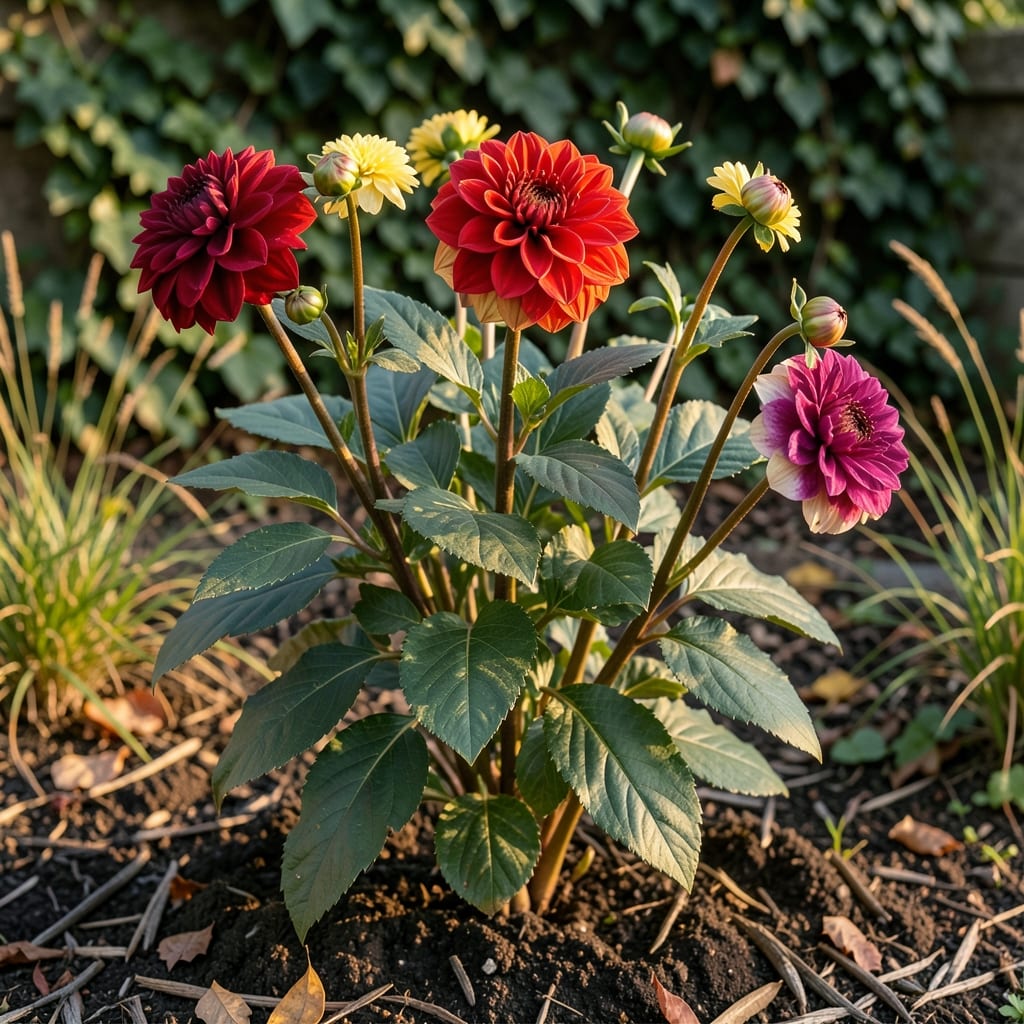
Curious about dahlias—how tall do they grow? The answer might surprise you—these stunning 🌼 flowers can range from tiny tabletop accents to towering garden statements, depending on the variety you choose.
If you're planning your garden layout, knowing the height differences is key. Some dahlias stay compact at just 1-2 feet, perfect for borders or containers, while others can reach 6-8 feet, making them ideal for privacy screens or dramatic backdrops. The variety you pick determines everything.
But it’s not just about the type—soil quality, sunlight exposure, and proper care can all influence how tall your dahlias grow. With the right conditions, even dwarf varieties might surprise you, while tall types can stretch even higher with a little extra attention.
Ready to discover which varieties fit your space best? I’ll break down the height ranges, care tips, and even suggest the top performers for different garden goals—so you can plant with confidence and watch your dahlias thrive.

Dahlia height ranges by variety: from miniature to giant flowers
When planning your garden, knowing dahlia height ranges is essential to avoid overcrowding or underutilized space. Dahlias fall into four main categories based on their mature height: dwarf, semi-dwarf, standard, and giant. Each type offers unique opportunities for design, whether you're creating a border garden or a privacy screen.
The smallest varieties, like 'Mignon' series, stay between 1-2 feet tall, making them perfect for containers or edging. Meanwhile, the tallest dahlias, such as 'Thomas Edison', can reach 6-8 feet—ideal for dramatic backdrops or cutting gardens. Understanding these differences helps you choose the right variety for your space and goals.
Here’s a quick breakdown of what to expect from each category, including ideal spacing to ensure healthy growth and vibrant blooms:
| Variety Type | Height Range | Ideal Spacing | Best For |
|---|---|---|---|
| Dwarf | 1–2 ft | 12–18 inches apart | Containers, borders, rock gardens |
| Semi-Dwarf | 2–4 ft | 18–24 inches apart | Mixed borders, cottage gardens |
| Standard | 4–6 ft | 24–36 inches apart | Cutting gardens, backdrops |
| Giant | 6–8 ft | 36–48 inches apart | Privacy screens, focal points |
For example, if you’re growing 'Café au Lait', a semi-dwarf variety, you’ll want to plant it 18 inches apart to allow airflow and prevent disease. In contrast, 'Arabian Night', a giant variety, needs 36 inches of space to support its towering stems and massive blooms.
Another factor influencing height is soil quality. Dahlias thrive in well-draining, nutrient-rich soil with a pH between 6.5 and 7.0. Poor soil can stunt growth, while rich, organic amendments like compost can encourage taller, healthier plants. I always recommend amending the planting hole with a mix of compost and aged manure to give dahlias a strong start.
Sunlight exposure also plays a critical role. Dahlias need 6+ hours of full sun daily to reach their full height potential. In shadier conditions, they may grow shorter and produce fewer blooms. If you’re planting in a partially shaded area, opt for dwarf or semi-dwarf varieties that tolerate lower light levels better.
Even with ideal conditions, some dahlias may not reach their expected height. Factors like crowding, pests, or improper pruning can limit growth. For instance, if you prune too aggressively early in the season, you might sacrifice height for bushier foliage. Balancing these elements ensures your dahlias grow to their full potential while staying healthy and vibrant.
Pro tip: If you’re unsure about a variety’s height, check the seed packet or plant tag for mature size estimates. Many reputable nurseries also provide care guides that include height ranges. With this information, you can confidently select dahlias that fit your garden’s layout and aesthetic goals.
Ready to explore how to manage height naturally? In the next section, I’ll share my favorite pruning and support techniques to keep your dahlias at your desired size—whether you want them compact or towering.
Dahlia height ranges by variety: from miniature to giant flowers
Dahlias come in a stunning variety of heights, from tiny 1-foot wonders to 8-foot giants. The type you choose directly impacts your garden layout, whether you’re creating a low-border display or a privacy screen. Let’s dive into the height categories and what to expect from each.
First, dwarf dahlias (1-2 feet tall) are perfect for containers, window boxes, or front-of-border plantings. These compact beauties include varieties like 'Mignon' or 'Little Princess,' ideal for small spaces or urban gardens where vertical space is limited.
Next, semi-dwarf varieties (2-4 feet) strike a balance, offering abundant blooms without overwhelming your garden. Think of them as the workhorse dahlias—great for mixed borders or cut flower arrangements. Popular picks include 'Café au Lait' or 'Karma Choc.'
| Variety Type | Height Range | Best For | Planting Distance |
|---|---|---|---|
| Dwarf | 1-2 ft | Containers, borders | 12-18 inches apart |
| Semi-Dwarf | 2-4 ft | Mixed borders, cut flowers | 18-24 inches apart |
| Standard | 4-6 ft | Back of beds, privacy | 24-36 inches apart |
| Giant | 6-8 ft | Privacy screens, focal points | 36-48 inches apart |
Standard dahlias (4-6 feet) are the garden workhorses, thriving in back-of-bed plantings or as cut flower stalwarts. Varieties like 'Bishop' or 'Café au Lait' deliver bold blooms and sturdy stems. For these, space them 2-3 feet apart to avoid competition.
Finally, giant dahlias (6-8 feet) are the dramatic stars of the garden. These varieties, like 'Arabian Night' or 'Thomas Edison,' can reach basketball hoop heights with proper care. They’re perfect for privacy screens or statement-making backdrops, but require staking and ample space—plant them 3-4 feet apart.
Remember, soil quality and sunlight play huge roles in final height. Rich, well-draining soil and full sun exposure (6+ hours daily) will help dahlias reach their maximum potential. With the right conditions, even a dwarf variety might surprise you with extra height—while giant types can stretch even taller with extra care and support.