
How To
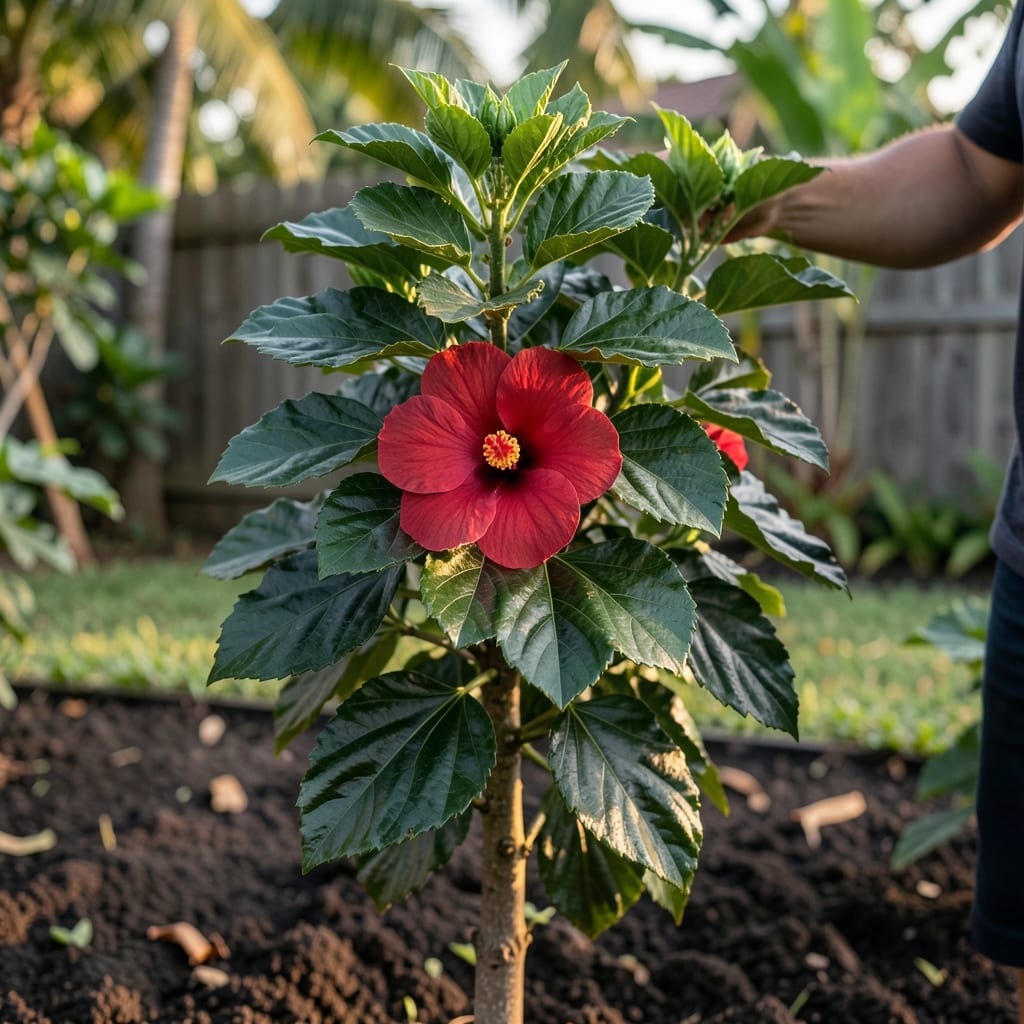
Curious about hibiscus how tall do they grow? The answer might surprise you—some varieties stretch toward the sky like small trees, while others stay neatly compact in containers. Whether you're dreaming of a lush privacy hedge or a charming patio centerpiece, choosing the right hibiscus type is the key to fitting it into your space perfectly.
Hibiscus plants come in a stunning range of heights, from delicate 2-foot dwarf varieties perfect for balconies to towering 15-foot tropical giants that make a statement in large gardens. The difference often comes down to species, climate, and how you care for them—especially pruning habits that can shape their growth over time.
If you're working with limited space, you'll want to focus on hardy hibiscus shrubs that max out around 6 feet or dwarf types designed for pots. But for those with room to spare, tropical hibiscus can become the garden's star attraction, their vibrant blooms reaching new heights each season.
Let’s break down exactly how tall different hibiscus varieties grow—and the simple strategies to control their size so you get the perfect fit for your garden vision.


Hibiscus tree height by variety: small to giant growth comparison
When planning your hibiscus garden, the first question is almost always: how tall will my hibiscus grow? The answer depends entirely on the variety you choose. Tropical hibiscus varieties can reach 10 to 15 feet tall, while hardy hibiscus shrubs typically stay between 3 to 12 feet. Dwarf varieties, bred specifically for containers, rarely exceed 4 feet, making them perfect for patios and balconies.
For example, the Hibiscus rosa-sinensis (tropical hibiscus) often grows into a small tree, while Hibiscus moscheutos (hardy hibiscus) remains a bushy shrub. Even within these categories, growth habits vary—some varieties grow upright like trees, while others spread wider with a more shrub-like appearance.
Understanding these differences helps you select the right hibiscus for your space. If you have limited room, dwarf varieties or compact hardy hibiscus are ideal. For larger gardens, tropical hibiscus can create stunning focal points with their towering height and dramatic blooms.
| Variety | Type | Mature Height | Growth Habit | Best For |
|---|---|---|---|---|
| Hibiscus rosa-sinensis | Tropical | 10-15 ft | Tree-like, upright | Large gardens, privacy screens |
| Hibiscus syriacus | Hardy | 6-12 ft | Bushy, rounded | Hedges, borders |
| Hibiscus moscheutos | Hardy | 3-8 ft | Upright, clumping | Swampy areas, cottage gardens |
| Hibiscus 'Dwarf Red' | Dwarf | 2-3 ft | Compact, bushy | Containers, patios |
| Hibiscus 'Luna Red' | Semi-Dwarf | 4-6 ft | Upright, spreading | Small gardens, borders |
| Hibiscus 'Arnold Promise' | Hardy | 5-8 ft | Bushy, multi-stemmed | Foundation plantings |
Notice how tropical hibiscus like Hibiscus rosa-sinensis dominate height charts, while dwarf varieties are designed to stay small. This variety-specific growth pattern is why selecting the right type for your space is so important. For instance, a 15-foot tropical hibiscus would overwhelm a small patio, while a 3-foot dwarf hibiscus would look lost in a large garden bed.
Climate also plays a role in how tall hibiscus grow. Tropical hibiscus thrive in warm, humid climates where they can reach their full height potential. In cooler regions, hardy hibiscus varieties are better suited, as they adapt to seasonal changes and grow more slowly. This makes them ideal for gardeners in USDA zones 5-9, where tropical hibiscus might struggle to survive winter.
Even within the same variety, growth rates can vary based on care. Proper pruning techniques, fertilization, and watering habits can influence how quickly a hibiscus reaches its mature height. For example, regular pruning can keep a 10-foot tropical hibiscus at a manageable 6 feet if that’s your goal. This flexibility makes hibiscus a versatile choice for gardeners with different space and style preferences.
If you're unsure which variety to pick, consider your garden's layout. For vertical space, tall hibiscus varieties create stunning focal points or privacy screens. For horizontal spaces, like patios or balconies, dwarf or semi-dwarf varieties are perfect. The key is matching the hibiscus's mature height to your available space and design goals.
Before planting, always check the specific variety's growth expectations. Some hibiscus can grow up to 3 feet per year in ideal conditions, while others grow more slowly. Planning ahead ensures your hibiscus will thrive without outgrowing its welcome in your garden.
How to control hibiscus plant height: pruning and growing tips
Controlling the height of your hibiscus isn’t just about aesthetics—it’s about creating the perfect balance between growth and manageability. Whether you have a 10-foot tropical hibiscus or a 3-foot dwarf variety, proper pruning and care can shape its size to fit your garden vision. The key is understanding when and how to prune, as well as the best growing practices to encourage compact growth.
For tropical hibiscus, which can grow aggressively, pruning in late winter or early spring is essential. This removes excess growth and encourages a bushier, more manageable shape. Hardy hibiscus varieties, like Hibiscus syriacus, also benefit from pruning, but they respond well to lighter trims in early spring to maintain their natural form. Dwarf varieties require minimal pruning, but occasional trimming keeps them neat and encourages more blooms.
Timing is everything when it comes to pruning hibiscus. Always prune after the plant has finished blooming for the season. This ensures you’re not cutting back potential flower buds. For example, if your hibiscus blooms in summer, wait until late summer or early fall to prune. This gives the plant time to recover and prepare for the next growing season.
Here’s a simple step-by-step guide to controlling hibiscus height through pruning and care:
- 🌱 Step 1: Assess the Plant – Examine your hibiscus to identify areas that need trimming. Look for overgrown branches, leggy stems, or branches that are crossing or rubbing against each other.
- ✂️ Step 2: Use Clean Tools – Always use sharp, sterilized pruning shears to make clean cuts. This reduces the risk of disease and promotes faster healing.
- 📏 Step 3: Prune for Shape – Cut back overgrown branches to just above a leaf node or bud. For a bushier plant, trim the tips of branches to encourage branching. For a taller plant, remove lower branches to focus growth upward.
- ☀️ Step 4: Fertilize After Pruning – Apply a balanced fertilizer, like a 10-10-10 NPK, to help the plant recover and encourage new growth. This is especially important if you’ve done heavy pruning.
- 💧 Step 5: Water Deeply – After pruning, water the plant thoroughly to help it recover. Keep the soil consistently moist but not waterlogged, especially during the first few weeks after pruning.
Pruning isn’t the only way to control hibiscus height. The right growing conditions also play a crucial role. For instance, container-grown hibiscus will naturally stay smaller because their root growth is restricted. Choose pots that are just slightly larger than the plant’s root ball to encourage compact growth. Additionally, planting hibiscus in well-draining soil and providing 6+ hours of sunlight daily ensures they grow strong and healthy, making them easier to manage.
If you’re growing hibiscus in a small space, like a patio or balcony, consider training the plant along a trellis or using a support structure to guide its growth vertically. This not only saves space but also creates a stunning visual display. For larger gardens, allow taller varieties to grow naturally while using pruning to maintain their shape and encourage abundant blooms.
Remember, hibiscus plants are resilient and adaptable. With the right care, you can easily manage their height and shape to fit your garden’s needs—whether you want a towering focal point or a compact container centerpiece. The key is consistency in pruning, fertilizing, and watering to keep your hibiscus thriving at the perfect height for your space.