
Light Requirements
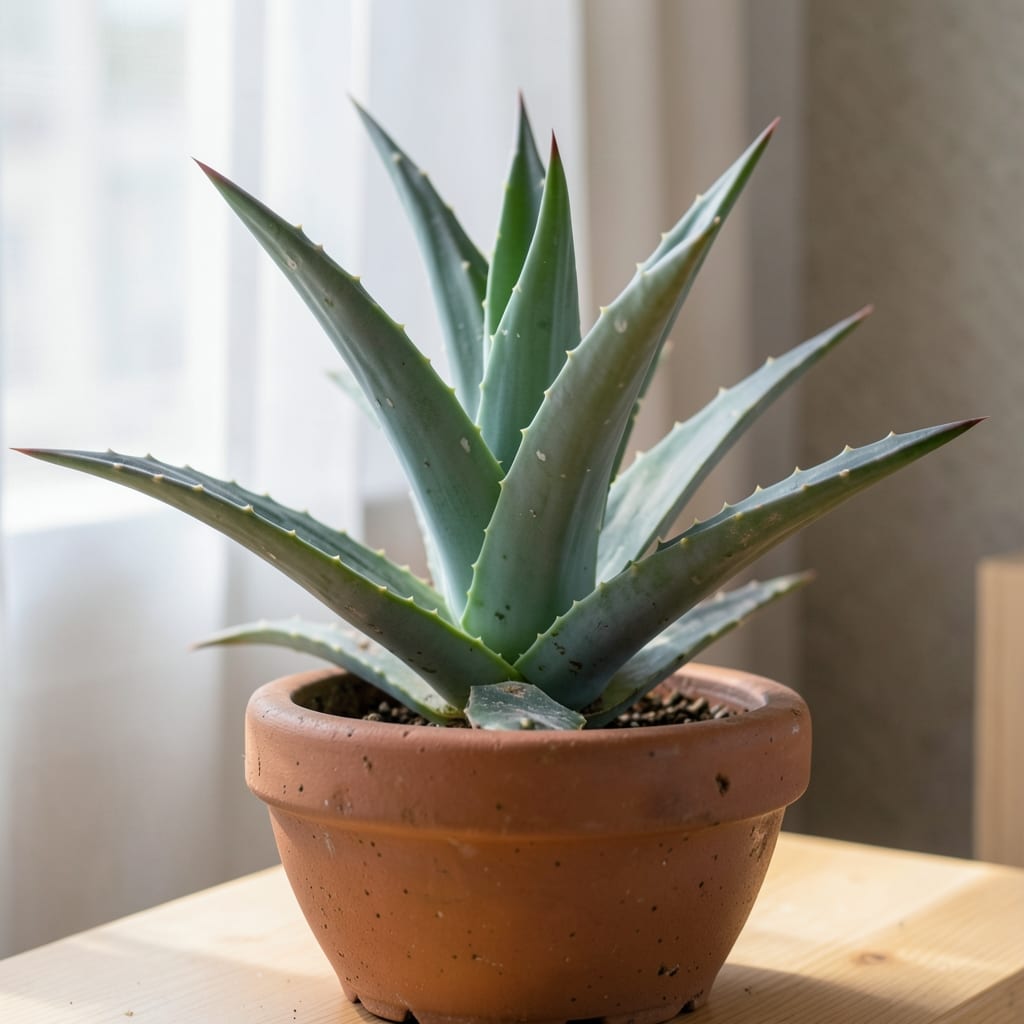
If your 🌵 aloe plant looks like it’s fighting for its life—leaves stretching toward the light or turning brown—you’re probably guessing wrong about how much light it really needs. The truth is, aloe thrives in bright conditions, but there’s a sweet spot between too little and too much that keeps it lush and healthy.
Most people assume aloe needs scorching sun all day, but that’s a common myth. In reality, your plant craves 6-8 hours of bright, indirect light daily, especially in USDA Zone 6a where spring sunshine can be intense. Too little light slows growth, while direct midday rays can scorch those thick leaves—leaving you with crispy edges instead of plump, gel-packed foliage.
Here’s the game-changer: aloe is adaptable, but it’s not one-size-fits-all. Whether you’re placing it near a south-facing window or adjusting artificial lighting, small tweaks make a huge difference. I’ll show you exactly how to spot the signs of over- or under-lighting and fix them fast—so your aloe stays vibrant year-round.
Ready to transform your plant’s health? Let’s break down the exact light requirements and troubleshoot common mistakes, so your aloe grows strong and stays happy without guesswork.


Optimal light requirements for aloe vera: exact hours and intensity breakdown
Aloe vera plants are sun worshippers, but they’re not fans of extreme heat or dim corners. The ideal light range is 6-8 hours of bright, indirect sunlight daily, with some tolerance for direct morning or late afternoon rays. Think of it like a goldilocks zone—not too harsh, not too weak.
In USDA Zone 6a, where I garden, aloe thrives outdoors from late spring through early fall. During winter months, when sunlight is weaker, you’ll need to supplement with artificial grow lights or move your plant closer to a window. The key is mimicking natural light cycles without overdoing it.
Direct midday sun (11 AM–3 PM) can scorch aloe leaves, leaving brown, crispy edges. Instead, position your plant where it gets morning sun + afternoon shade or use a sheer curtain to filter harsh rays. For indoor plants, a south-facing window is perfect—just rotate the pot weekly so all sides get even light.
Here’s the science: aloe’s thick leaves store water, but they also need photosynthesis fuel. Too little light means slow growth and pale, stretched leaves (a sign of "etiolation"). Too much causes oxidative stress, leading to sunburn. The sweet spot? Bright, diffused light that keeps leaves a vibrant green.
🌵
Seasonal shifts matter! In summer, aloe can handle up to 10 hours of light if shaded during peak heat. In winter, reduce exposure to 4–6 hours unless using grow lights. My aloe near a west-facing window gets 5 hours of afternoon light—perfect for winter—but I add a 12-inch LED grow light for 2 extra hours to keep it thriving.
Pro tip: Test your light spot with the "shadow test". Hold a ruler near your plant at noon—if the shadow is shorter than 6 inches, it’s too harsh. Aim for a 8–12 inch shadow for ideal conditions. This trick saved my aloe from sunburn last July!
For indoor growers, avoid north-facing windows—they’re too dim. Instead, place your aloe within 3 feet of a south or west window or use a full-spectrum LED bulb (5000K–6500K) for 14 hours daily. I swear by a 20W LED clip light for my kitchen aloe—it’s made all the difference in leaf thickness.
Remember: aloe is drought-tolerant but not heat-tolerant. If leaves start curling or turning yellow, it’s a cry for better light balance. Next, I’ll show you how to spot these signs early and fix them fast—so your aloe stays lush and gel-packed!
☀️
Optimal light requirements for aloe vera: exact hours and intensity breakdown
Aloe vera plants are sun-lovers, but they’re not built for the harsh, midday glare you’d give a cactus. The ideal light balance is 6-8 hours of bright, indirect sunlight daily, with a mix of morning sun and filtered afternoon light. In USDA Zone 6a, this means positioning your plant where it gets gentle morning rays and dappled shade in the hottest afternoon hours.
Think of it like a sunbathing schedule: too little light, and your aloe stretches awkwardly toward any available source (a sign called etiolation). Too much direct sun, especially between 11 AM and 3 PM, and you’ll see brown, crispy leaf tips—a classic sign of sunburn. The key is mimicking the natural light conditions of its South African desert habitat, where it grows under bright but diffused sunlight.
| Light Requirement | Specification |
|---|---|
| Daily Sunlight Hours | 6–8 hours (bright, indirect) |
| Morning Sun Exposure | 3–4 hours (direct sun) |
| Afternoon Sun Exposure | 2–4 hours (filtered or indirect) |
| Winter Light Adjustment | Move closer to windows (supplemental grow light if needed) |
| Summer Light Adjustment | Use sheer curtain to diffuse midday sun |
For indoor aloe plants, the best spot is near a south-facing window, where they can bask in unfiltered light for most of the day. If your home lacks natural light, a grow light with a full-spectrum LED bulb (10,000–15,000 Kelvin) can replicate sunlight. Place the light 6–12 inches above the plant and keep it on for 12–14 hours daily to mimic natural daylight cycles.
Outdoor aloe plants in containers or garden beds need partial shade during peak summer months, especially in hot climates. A simple trick is to place your pot under a tree with sparse branches or use a lightweight shade cloth (30–50% coverage) to protect leaves from intense afternoon rays. This prevents leaf scorch while still allowing enough light for photosynthesis.
Seasonal adjustments are crucial. In winter, when daylight hours shrink, move your aloe closer to a sunny window or supplement with a grow light to maintain its 6-hour minimum. In summer, watch for signs of heat stress—like yellowing leaf tips—and adjust placement accordingly. Aloe is resilient, but it’s not a desert plant in disguise; it needs smart sunlight management to thrive.
Pro tip: Rotate your aloe plant quarter-turns every 2–3 weeks to ensure even light exposure. This prevents lopsided growth and keeps those thick, gel-filled leaves growing uniformly. With the right light balance, your aloe will reward you with vibrant green foliage and minimal maintenance—just like its wild counterparts in the sun-drenched African savanna. 🌵