
Companion Plants
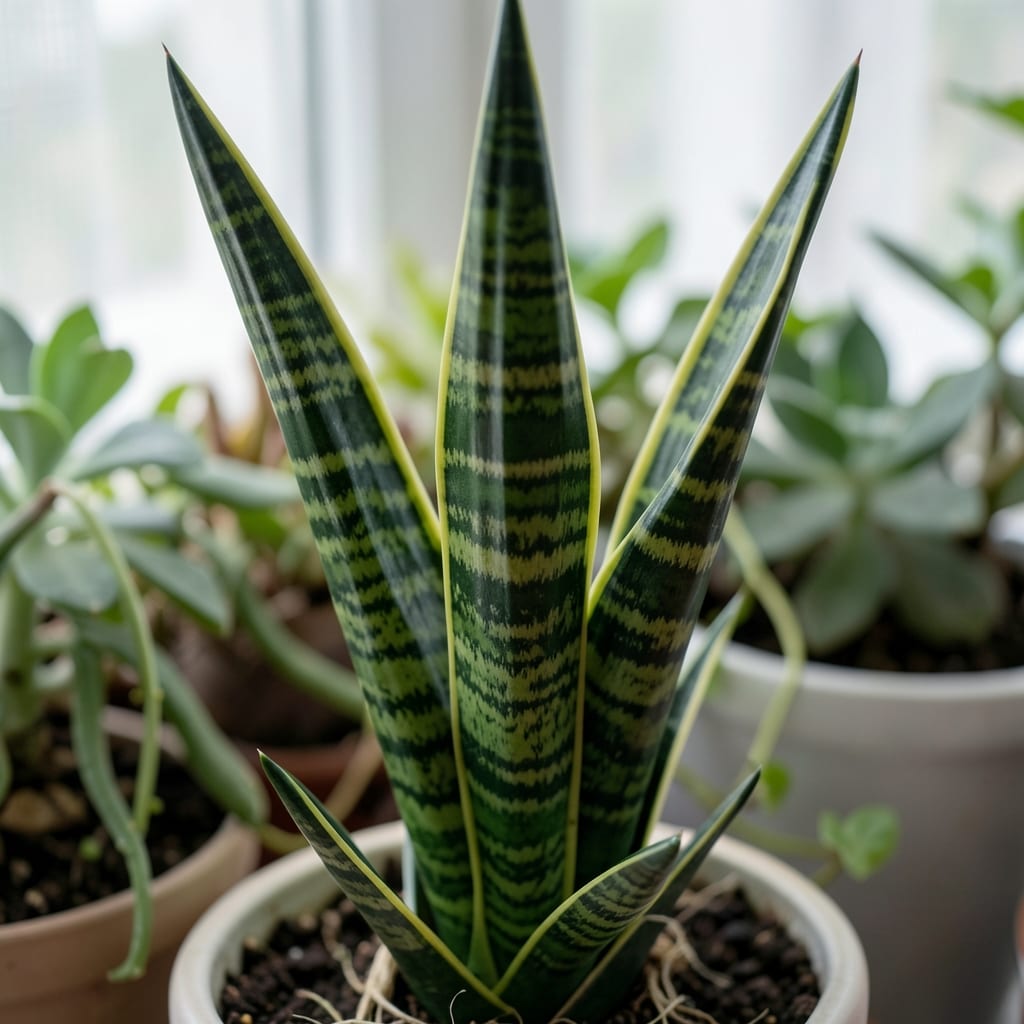
If you're asking "how much light does a snake plant require", the answer might surprise you—this resilient 🌱 thrives where many other plants would give up. Unlike fussy houseplants, snake plants handle everything from dim corners to bright, indirect sunlight, making them the ultimate low-maintenance green friend for any space.
What makes them so adaptable? Their ability to photosynthesize efficiently, even in low light, means you don’t need to worry about perfect conditions. Whether you’re dealing with a shadowy bathroom or a sunlit living room, I’ll show you exactly how to position your snake plant for peak health—no guesswork required.
But here’s the catch: too much direct sun can scorch those striking leaves, while too little light slows growth. I’ll walk you through the signs to watch for and how to tweak your setup for the best results, no matter where you live in USDA Zone 6a or beyond.
Ready to master the art of snake plant lighting? Let’s dive into the simple secrets that keep these plants lush and happy year-round, from spring to fall and beyond.

Snake plant light requirements: ideal conditions for growth and health
Snake plants are famous for their low-light tolerance, but that doesn’t mean they’ll thrive in complete darkness. These plants are succulent-like grasses that evolved to store water and energy efficiently, allowing them to photosynthesize even with minimal light. However, their ideal range falls between low light and bright indirect sunlight, making them versatile for almost any indoor space.
The key is understanding their light spectrum needs. Snake plants prefer 2-4 hours of indirect light daily, which can come from a north-facing window, an east-facing window with morning sun, or even artificial grow lights. In USDA Zone 6a, where winters can be dim, this adaptability becomes especially valuable for keeping your plant happy year-round.
Here’s the science behind it: snake plants have Crassulacean Acid Metabolism (CAM), a process that lets them absorb CO₂ at night and photosynthesize during the day—even with low light. This makes them far more resilient than typical C3 plants like ferns or calatheas, which require consistent bright light.
| Light Condition | Daily Light Hours | Ideal Placement | Plant Response |
|---|---|---|---|
| Low Light | 0-2 hours | North-facing window or 8+ feet from bright windows | Slow growth, dark green leaves, drought-tolerant |
| Medium Light | 2-4 hours | East/west window or 3-5 feet from south window | Healthy growth, vibrant variegation (if applicable) |
| Bright Indirect Light | 4-6 hours | Sheer curtain-filtered south window or grow lights | Faster growth, richer leaf color |
| Direct Sunlight | 6+ hours | Unfiltered south/west window or outdoor summer | Leaf scorch, brown tips, stressed growth |
For variegated snake plants (like 'Golden Hahnii' or 'Moonshine'), bright indirect light is even more critical—their yellow or white stripes need extra light to maintain vibrancy. Without enough light, these varieties revert to solid green, losing their striking patterns. If you notice your variegated snake plant’s colors fading, it’s time to move it closer to a brighter spot.
In spring and summer, when natural light increases, you might see your snake plant grow more aggressively. This is normal! However, if you notice brown patches or crispy edges on the leaves, it’s a sign of too much direct sunlight. In these cases, move your plant 2-3 feet away from the window or use a sheer curtain to diffuse the light.
On the flip side, if your snake plant’s growth slows to a crawl and the leaves turn pale or stretch upward (a condition called etiolation), it’s begging for more light. Rotate the pot quarter-turns every 2-3 weeks to ensure even exposure, especially if it’s near a single window.
Pro tip: If your home lacks natural light, LED grow lights (like 6500K full-spectrum bulbs) can mimic sunlight perfectly. Place them 6-12 inches above the plant for 12-14 hours daily to keep it thriving in low-light conditions.
Remember, snake plants are forgiving, but they do communicate their needs through leaf color and growth patterns. Pay attention to these cues, and you’ll never have to guess whether your plant is getting just the right amount of light.
Snake plant light requirements: ideal conditions for growth and health
Snake plants are famous for their low-light tolerance, but that doesn’t mean they’ll thrive in complete darkness. These drought-resistant plants prefer bright indirect light, which keeps their iconic leaves vibrant and encourages steady growth. In nature, they grow under the canopy of trees, where sunlight filters gently through the foliage—recreating this environment indoors is key to their happiness.
The ideal light range for snake plants is between 2-4 hours of indirect sunlight daily. This means placing them near a window where they’ll receive soft, diffused light rather than harsh rays. If your home has low natural light, don’t worry—snake plants can still adapt, though their growth may slow down. The goal is to avoid direct midday sun, which can scorch their leaves and cause brown patches.
| Light Condition | Hours of Light | Plant Response | Best Placement |
|---|---|---|---|
| Low Light | 0-2 hours | Slow growth, pale leaves | North-facing window or 6+ feet from a window |
| Bright Indirect | 2-4 hours | Healthy growth, vibrant leaves | East or West window, 2-3 feet away |
| Direct Sunlight | 4+ hours (unfiltered) | Brown leaf tips, sunburn | Avoid; use sheer curtains to diffuse light |
One of the coolest things about snake plants is their ability to photosynthesize at night, thanks to a unique process called Crassulacean Acid Metabolism (CAM). This means they can store energy efficiently, even in low-light conditions. However, if you notice your plant’s leaves turning yellow or brown, it’s often a sign of too much direct sunlight. Move it to a spot with filtered light, like behind a sheer curtain or a few feet back from the window.
For optimal growth, aim to place your snake plant in a spot where it gets morning sunlight (between 8 AM and 12 PM). This gentle light kickstarts their metabolism without risking heat stress. If your home lacks natural light, consider supplementing with a grow light for 6-8 hours a day. LED grow lights designed for houseplants are a great, energy-efficient solution that mimics natural sunlight without the heat.
If you’re unsure about the light levels in your home, pay attention to your snake plant’s leaf color and growth rate. Healthy leaves should be upright, firm, and a rich green. If they start to flatten or stretch toward the light, it’s a sign they’re craving more brightness. On the flip side, if the leaves develop brown patches or crispy edges, it’s time to move it to a shadier spot.
Remember, snake plants are forgiving, but they do have limits. The key is to observe and adjust. Rotate your plant every few months to ensure even growth, and don’t be afraid to experiment with different spots in your home. With the right light balance, your snake plant will reward you with lush, healthy foliage for years to come. 🌱