
How To
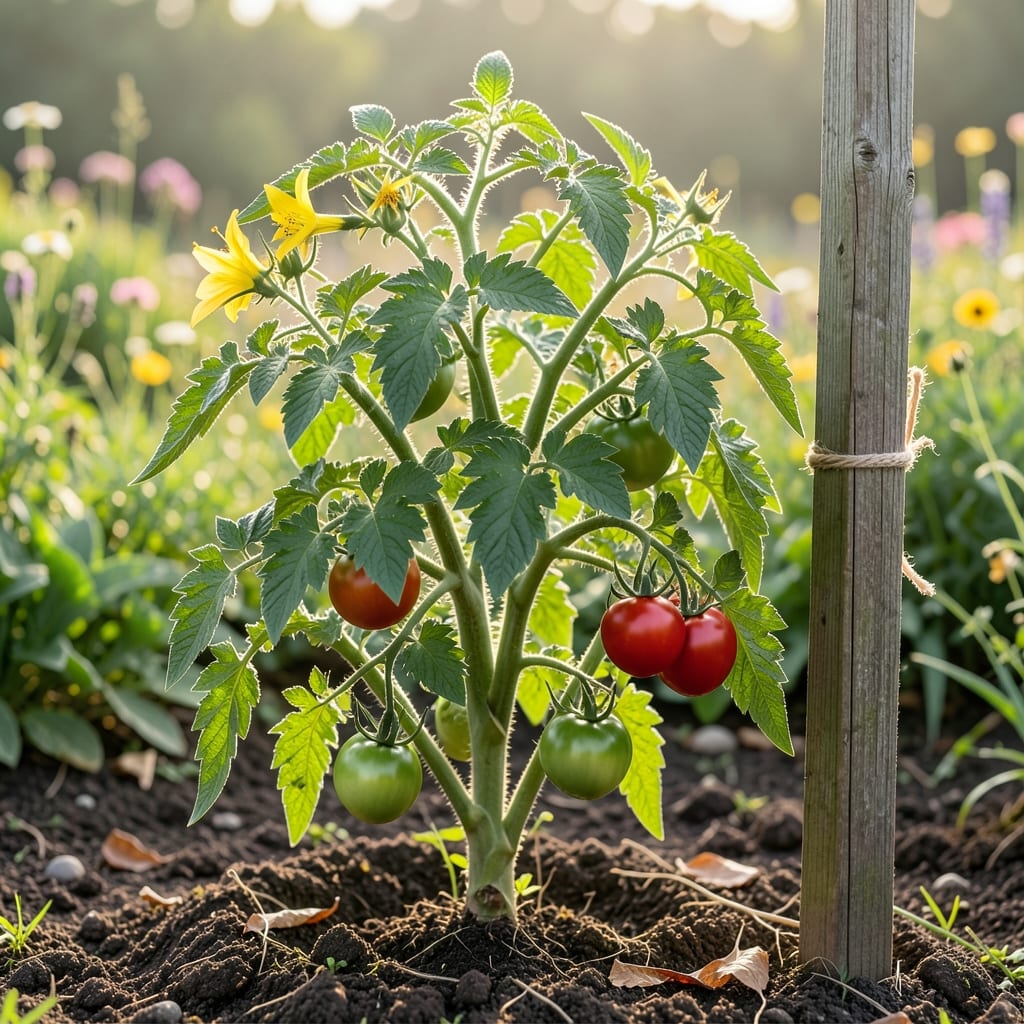
Optimal sunlight hours for tomato plants: the science-backed breakdown
Tomatoes are sun worshippers, and their light requirements directly impact everything from leaf growth to fruit production. The magic number? 6 to 8 hours of direct sunlight daily. But here’s the catch: this need changes as your plants grow, with seedlings tolerating less light early on and fruiting plants demanding maximum exposure.
Most gardeners overlook the fact that sunlight intensity matters just as much as duration. Bright, direct rays (like those from a south-facing window or midday sun) pack more energy than diffused morning light. If your tomatoes are struggling, it’s not just about hours—it’s about how strong that sunlight is.
Let’s break down the light needs by growth stage, so you can tailor your garden setup for peak performance. Understanding these phases will help you avoid common pitfalls like leggy seedlings or sunburned leaves.
🌱
| Growth Stage | Sunlight Needs | Key Notes |
|---|---|---|
| Seedlings (First 4-6 Weeks) | 3-4 hours of direct light | Use grow lights if natural light is weak; avoid harsh midday sun to prevent stress. |
| Vegetative Growth (Weeks 6-8) | 6 hours of direct light | Increase light gradually to avoid shock. South-facing beds are ideal. |
| Flowering & Fruiting (Weeks 8+) | 8+ hours of direct light | Critical for fruit set. Shade cloth (30%) can help in extreme heat. |
| Mature Plants (Harvest Season) | 6-8 hours (morning sun + afternoon shade if needed) | Avoid afternoon sunburn in hot climates. Dwarf varieties tolerate partial shade better. |
Now, let’s talk about how to measure sunlight in your garden. Not all sun is equal! A south-facing spot gets the most intense light, while an east-facing area might offer gentler morning rays. Use a sunlight tracker (or your phone’s light meter app) to log hours of direct light in your space. Aim for 6+ hours of full sun—any less, and you’ll see slower growth and fewer tomatoes.
If you’re in a shady climate or growing indoors, don’t despair. Supplemental LED grow lights (12-16 hours/day) can mimic sunlight, especially for cherry tomatoes or bush varieties that are slightly more adaptable. Just ensure the light is within 6-12 inches of the plant for best results.
Pro tip: Rotate your plants every few days to ensure even exposure. Tomatoes grow toward the light, so uneven growth can lead to weak stems or lopsided fruit. A quick quarter-turn weekly keeps them balanced and healthy.
🌞
One common mistake I see is assuming that partial shade is acceptable for tomatoes. While some heirloom varieties or dwarf tomatoes can tolerate 4-5 hours of sun, most modern hybrids will underperform. If your tomatoes are struggling, check their light exposure first—you might be surprised by how much they’re actually getting (or not getting!).
For greenhouse growers, monitor temperature alongside light. Tomatoes need 70-85°F for optimal fruiting, but too much heat without shade can stress plants. Use shade cloth or reflective mulch to diffuse intense sunlight during peak hours.
Finally, remember that light quality matters just as much as quantity. Blue light (early morning/late afternoon) promotes leafy growth, while red light (midday) boosts flowering and fruiting. If you’re using grow lights, a full-spectrum bulb will give you the best results.
☀️
Signs your tomato plants aren’t getting enough light (and how to fix it)
If your tomato plants look weak or produce few fruits, light deficiency is often the culprit. The first red flag? Leggy, spindly stems that stretch toward the nearest light source. This happens when plants search for sunlight, becoming top-heavy and prone to falling over. Check your seedlings first—if they’re growing taller than 12 inches before developing leaves, they’re starving for light.
Another telltale sign is yellowing leaves, especially on the lower stems. While this can mimic nutrient deficiencies, the key difference is that light-starved plants show yellowing on older leaves first (a reverse of nitrogen deficiency). If the leaves are pale and sparse, your tomatoes aren’t getting enough energy to photosynthesize properly.
🌱
⚠️ Warning Signs of Light Deficiency
If you see these, your tomatoes need more light immediately:
- Stems grow 2+ inches per day (normal: 1 inch/day)
- Leaves are small and widely spaced (sign of stretched growth)
- Fewer than 3 flowers per stem (light stress halts flowering)
- Fruits stay green or grow poorly (no energy for ripening)
For indoor growers, watch for white or purple-tinged leaves, which indicate low light stress. These plants often develop weak cell walls, making them prone to cracking fruits or blossom drop (flowers falling off before fruiting). If your tomatoes are setting fruit but it’s small and misshapen, they’re not getting enough energy to develop properly.
💡 Quick Fix: Move plants to a sunnier spot immediately. If indoors, place them within 12 inches of a south-facing window or supplement with LED grow lights (12-16 hours/day). For outdoor gardens, prune nearby shade trees or use reflective mulch to bounce light onto plants.
For container gardens, rotate pots quarter-turns weekly to prevent lopsided growth. If you’re in a shady climate, choose determinate varieties (like 'Roma' or 'Celebrity')—they tolerate 4-5 hours of sun better than indeterminate types. But remember: even these need bright, indirect light for best results.
🌿 Finally, avoid the "partial shade" trap. Many gardeners think dappled sunlight counts as "partial shade," but tomatoes need direct rays. Test your spot: if you can read a book outside without squinting at noon, it’s not enough. Use a sunlight calculator app to track hours—aim for 6+ hours of unobstructed sun.