
Size
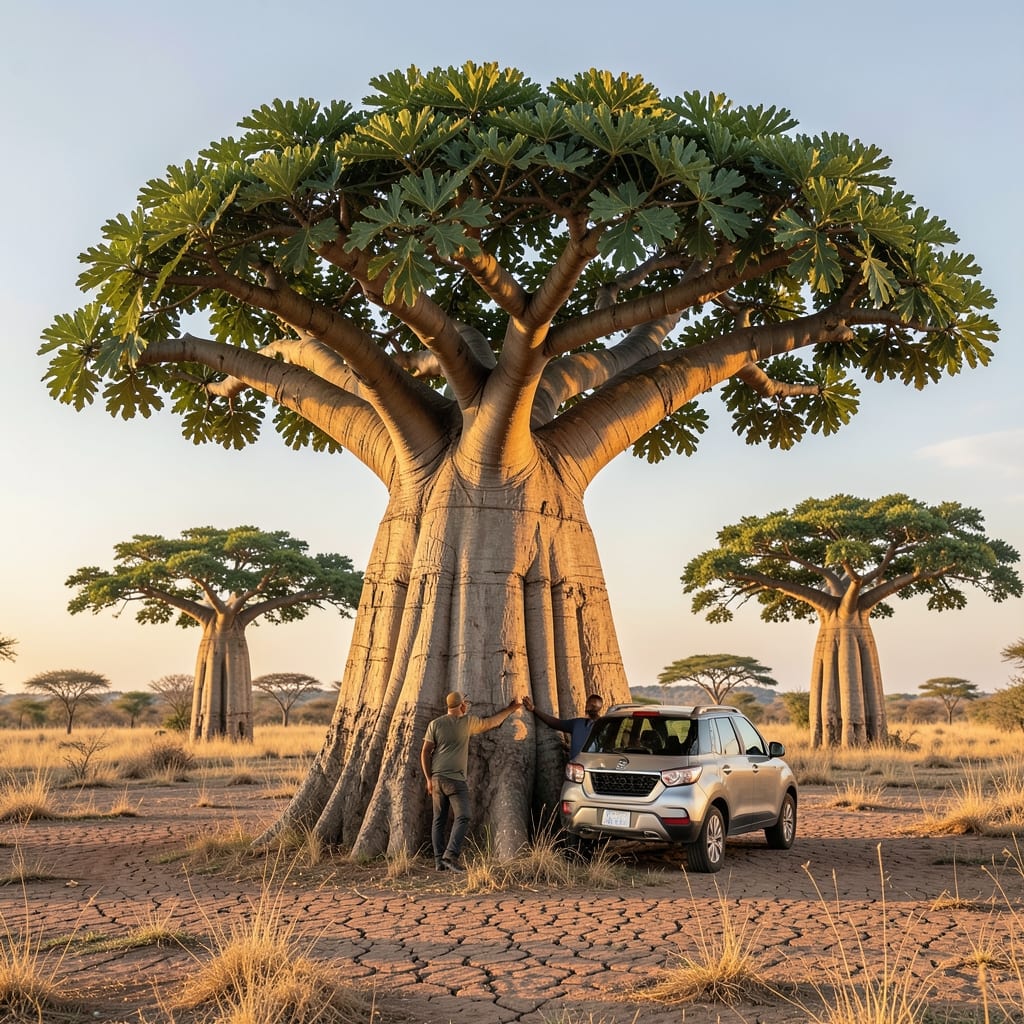
If you’ve ever wondered how tall can a baobab tree grow, the answer might just blow your mind—these ancient giants can stretch taller than a 10-story building in ideal conditions. Picture a tree with a trunk so wide it could double as a family home, standing proudly in the arid landscapes of Africa, Madagascar, and Australia. But what makes them grow so massive, and how do they defy the odds in harsh climates?
The Baobab Tree 🌳 isn’t just a symbol of endurance—it’s a record-breaker. Some species, like the African baobab (Adansonia digitata), can reach heights of 60-80 feet, while rare specimens have been documented at over 100 feet. Their growth isn’t just about height, though; it’s a mix of genetics, deep root systems, and the ability to store thousands of gallons of water in their trunks.
What’s even more fascinating is how these trees thrive in USDA Zones 10-11 (or 9b in microclimates), where most plants would struggle. The secret? They’ve mastered survival in tropical and subtropical regions, where monsoon seasons fuel their slow but steady growth. For those dreaming of cultivating one, space and patience are key—baobabs aren’t just tall; they’re patient giants that take decades to reach their full potential.
Ready to uncover the science behind their staggering heights and whether you could grow one in your own backyard? Let’s dive into the secrets of these living skyscrapers—and why they’re one of nature’s most breathtaking wonders.


Baobab tree height records: tallest species and their staggering dimensions
When you ask how tall can a baobab tree grow, the answer varies dramatically by species, but the numbers are nothing short of jaw-dropping. The African baobab (Adansonia digitata), the most widely recognized, typically reaches 60-80 feet at maturity, though some legendary specimens soar past 100 feet. In contrast, the Australian baobab (Adansonia gregorii) often maxes out around 50-70 feet, while Madagascar’s grandidier (Adansonia grandidieri) can hit 80-100 feet in ideal conditions.
The Sunland Baobab in South Africa holds the Guinness World Record as the widest tree on Earth, with a trunk measuring 36 feet in diameter—yet its height still impresses at 75 feet. Meanwhile, the Panke Baobab in Botswana, once the world’s largest by volume, stood at a staggering 82 feet tall before its mysterious collapse in 2021. These giants aren’t just tall; they’re architectural marvels that dominate landscapes for centuries.
🌳
What’s truly remarkable is how these trees achieve such heights despite growing in arid conditions. The African baobab, for example, can store up to 26,000 gallons of water in its trunk—a survival tactic that fuels its slow but relentless upward growth. Their taproot systems dive deep into the earth, accessing groundwater that most plants can’t reach, while their thick bark protects them from extreme temperatures and wildfires.
Climate plays a critical role in their height potential. In USDA Zones 10-11, where monsoon seasons provide brief but intense water surges, baobabs grow faster and taller. The grandidier baobab in Madagascar, for instance, thrives in the island’s tropical savannas, where seasonal rains create perfect conditions for their explosive growth spurts. Meanwhile, Australian baobabs in the Kimberley region rely on the wet season’s flooding to reach their full height potential.
Genetics also dictate height limits. Some baobabs, like the dwarf baobab (Adansonia kilima), rarely exceed 20-30 feet due to their compact growth habits. In contrast, the African baobab’s genetic makeup allows it to stretch toward the sky, often forming umbrella-like canopies that spread wider than they grow tall. This adaptation not only maximizes sunlight capture but also creates microclimates that support wildlife, from birds nesting in their branches to elephants seeking shade beneath them.
For perspective, compare a 100-foot baobab to other towering trees: a coast redwood can reach 380 feet, but it grows in temperate rainforests with year-round moisture. A baobab’s height is a testament to its adaptability—proving that even in the driest climates, nature can craft skyscrapers from scratch. If you’re dreaming of planting one, remember: these trees aren’t just tall; they’re patient architects of the savanna, shaped by centuries of evolution.
🌿
How baobab trees grow so tall: the science behind their towering heights
The baobab tree’s ability to reach 60-100 feet isn’t just luck—it’s a masterclass in survival biology. At the heart of their towering stature lies their water-storing trunk, which can hold thousands of gallons like a natural reservoir. This adaptation allows them to thrive in arid climates where most trees would wither, converting their trunks into both storage vessels and structural supports for vertical growth.
Their taproot systems dive 100+ feet deep, accessing groundwater that fuels their slow but steady upward expansion. Unlike fast-growing trees, baobabs prioritize root depth over rapid height, ensuring stability even in USDA Zones 10-11 where droughts are common. This deep-rooted strategy explains why they can survive centuries-long dry spells—some African baobabs are over 1,000 years old!
Their slow growth rate—just 1-2 feet per year—might seem frustrating, but it’s a survival strategy. By growing incrementally, baobabs avoid the structural weaknesses of rapid expansion, ensuring their massive trunks can support their eventual 60-100-foot heights. This patience pays off, as their lifespans exceed 1,000 years, making them living monuments to endurance.
Seasonal rains play a crucial role in their vertical ascent. During monsoon seasons, baobabs experience growth spurts fueled by sudden water availability. In Madagascar’s tropical savannas, the grandidier baobab can add several feet in a single wet season, while Australian varieties in the Kimberley region rely on flooding to reach their full potential. Without these seasonal pulses, their growth would stall entirely.
Another secret to their height is their unique trunk expansion. Unlike most trees that grow taller first, baobabs widen their trunks before shooting upward, creating the iconic bottle-shaped silhouette. This expansion provides structural stability for their eventual towering stature, allowing them to support canopies wider than 100 feet without toppling. It’s this combination of deep roots, water storage, and strategic growth patterns that turns baobabs into the living skyscrapers of the arid world.
🌿 For gardeners dreaming of cultivating one, remember: patience is key. These trees don’t just grow tall—they grow legendary, one careful inch at a time over decades.