
Size
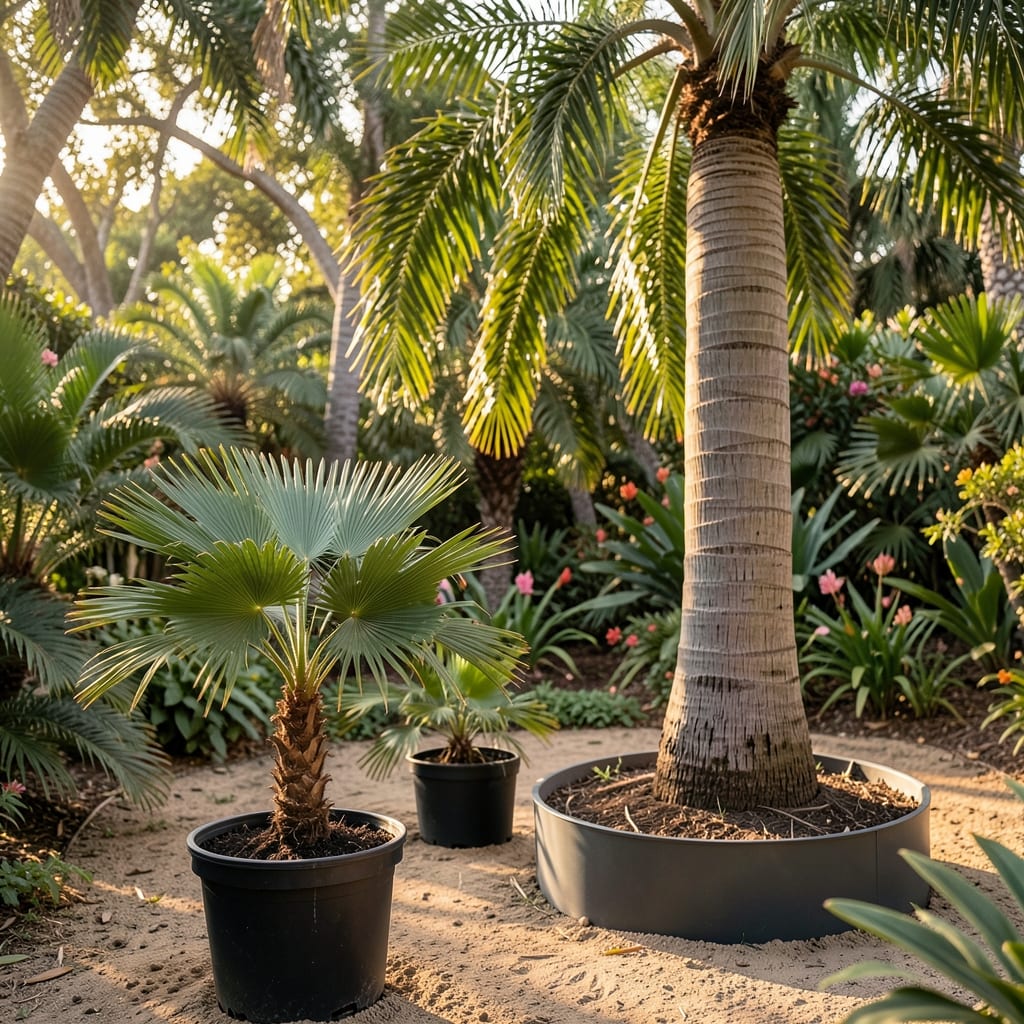
If you’ve ever stared up at a towering palm tree and wondered how tall can a palm tree grow, you’re not alone—these tropical giants can reach heights that feel almost otherworldly. Some species stretch toward the sky like natural skyscrapers, while others stay compact enough for even the smallest yards. The difference? It all comes down to the species, your climate, and a little bit of care.
Picture this: a coconut palm in Hawaii soaring over 100 feet, its fronds swaying like a tropical cathedral, while a pygmy date palm in your urban courtyard stays a modest 6-12 feet tall. That’s the beauty of palm trees—they offer something for every space, from city balconies to sprawling estates. But how do you know which one will thrive in your USDA Zone 6 garden?
In this guide, I’ll break down the height ranges of the most popular palm varieties, the factors that push them toward the sky or keep them grounded, and even how you can manage their growth if needed. Whether you’re dreaming of a dramatic focal point or a low-maintenance accent plant, you’ll find the perfect fit—and the secrets to helping it reach its full potential.
Ready to transform your outdoor space with the right palm tree? Let’s dive into the numbers, the science, and the tips that’ll help you choose—and grow—a palm that’s just the right height for your vision.


Palm tree height by species: from dwarf varieties to towering giants
When it comes to palm tree height, the possibilities are as diverse as the species themselves. Some varieties grow tall enough to shade an entire backyard, while others fit perfectly on a patio. The coconut palm (Cocos nucifera), for example, can reach a staggering 100 feet or more in tropical climates, while the pygmy date palm (Phoenix roebelenii) stays a manageable 6-12 feet tall. Understanding these differences is key to selecting the right palm for your space.
Let’s start with the giants. The royal palm (Roystonea regia) is a Florida favorite, often growing between 50-75 feet tall with a striking, fan-shaped crown. Meanwhile, the California fan palm (Washingtonia filifera) can soar up to 80 feet, making it a dramatic choice for large landscapes. These towering varieties thrive in warm climates and need plenty of space to spread their roots.
On the opposite end of the spectrum, dwarf palms like the dwarf palmetto (Sabal minor) and Chinese fan palm (Livistona chinensis) max out at 12-25 feet, making them ideal for urban gardens, containers, or small yards. The Mediterranean dwarf palm (Chamaerops humilis) is one of the smallest, rarely exceeding 6 feet in height, yet it’s incredibly hardy and adaptable to cooler climates.
| Palm Species | Mature Height (ft) | Growth Rate | Ideal Climate |
|---|---|---|---|
| Coconut Palm | 80-100+ | Fast | Tropical |
| Royal Palm | 50-75 | Moderate | Subtropical |
| California Fan Palm | 60-80 | Slow-Moderate | Arid |
| Pygmy Date Palm | 6-12 | Slow | Indoor/Outdoor |
| Mediterranean Dwarf Palm | 3-6 | Very Slow | Temperate |
The growth rate of a palm tree also varies widely. Fast-growing species like the coconut palm can add 3-5 feet per year under ideal conditions, while slower growers like the Mediterranean dwarf palm might only gain 6 inches annually. This means that a 10-foot-tall palm today could be a 50-foot monument in just a decade if it’s a fast grower like the Mexican fan palm (Washingtonia robusta).
If you’re in USDA Zone 6 or cooler, your options narrow slightly, but don’t worry—some palms are surprisingly cold-hardy. The windmill palm (Trachycarpus fortunei), for example, can handle temperatures down to 0°F and grows to about 15-20 feet. This makes it a fantastic choice for northern gardens where tropical giants wouldn’t survive. Always check the cold tolerance of a species before planting to avoid disappointment.
For urban gardeners with limited space, container-grown palms are a game-changer. Varieties like the parlor palm (Chamaedorea elegans) or Areca palm (Dypsis lutescens) thrive in pots and rarely exceed 6-10 feet, even in ideal conditions. These palms are perfect for balconies, patios, or even indoor decor, offering that tropical vibe without the commitment to a permanent planting.
Choosing the right palm for your space isn’t just about height—it’s also about canopy spread, root depth, and how much maintenance you’re willing to handle. A 100-foot coconut palm might be stunning, but it’s not practical for a suburban backyard. On the other hand, a 6-foot pygmy palm can add instant curb appeal without the space requirements. Think about your long-term vision for the area and how the palm will fit into it.
One final tip: always research the mature size of a palm before planting. Many nurseries sell small palms that look adorable in their pots, but they’ll outgrow their space in just a few years. If you’re unsure, ask the nursery staff for guidance—they’ve seen firsthand how quickly some palms can grow! 🌴
Factors that determine how tall a palm tree can grow
Ever wondered why your neighbor’s coconut palm towers over yours while your palmetto stays stubbornly short? The answer lies in a mix of genetics, environmental conditions, and a little gardener intervention. Unlike annual flowers that bloom and fade, palm trees grow steadily over decades—so their height is shaped long before they even reach your yard. Let’s break down the top factors that push palms toward the sky or keep them grounded.
The first—and most critical—factor is the species itself. Some palms, like the coconut palm (Cocos nucifera), are hardwired to grow 60-100 feet tall in ideal conditions, while others, like the pygmy date palm (Phoenix roebelenii), max out at 6-12 feet. It’s like comparing a redwood to a bonsai—one’s built for the canopy, the other for a windowsill. Even within species, genetic variations can create surprises, like a California fan palm (Washingtonia filifera) that grows twice as tall as its sibling.
🌱 Top 3 Factors That Shape Palm Tree Height
- Genetics: Species determines maximum height potential.
- Sunlight: 6+ hours daily fuels rapid growth; shade stunts it.
- Soil & Water: Well-draining soil + consistent moisture = taller growth.
Pro Tip: Even the tallest palms need pruning to redirect energy—cutting fronds can encourage thicker trunks and slower height increases.
Next up is sunlight exposure, the palm tree’s growth fuel. Most palms thrive in full sun (6-8+ hours daily), but even a few hours of shade can slow their ascent. Think of sunlight like a gas pedal—press it, and your palm accelerates toward its genetic ceiling. For example, a Mexican fan palm (Washingtonia robusta) in Southern California might hit 80 feet with ample sun, but the same tree in Pacific Northwest shade could max out at 40 feet. If you’re in USDA Zone 6, like me, you’ll need to choose cold-hardy species (like the Needle Palm) and supplement with grow lights in winter.
Don’t underestimate the power of soil quality and watering. Palms hate soggy roots—well-draining soil is non-negotiable. Amend clay soil with sand or compost to prevent root rot, which can stunt growth or worse, kill your tree. Watering is a balancing act: deep soaks weekly for young palms encourage strong root systems, but overwatering in containers can lead to dwarfism. I’ve seen 10-year-old palms in pots stay under 5 feet because their owners watered them like houseplants instead of tropical trees.
Finally, pruning and care habits play a surprising role. Pruning isn’t just about aesthetics—it’s about redirecting energy. Removing dead fronds lets the palm focus on trunk growth, while aggressive pruning can trigger a growth spurt (or backfire if done wrong). I once pruned a Canary Island date palm too aggressively, and it shot up 5 feet in a season—until it toppled in a storm. The key? Prune strategically: remove only 10-20% of fronds at a time, and never cut the crown shaft (the top bud), or you’ll kill the tree.
So, can you control a palm’s height? Yes—but only within its genetic limits. A coconut palm will always be a giant, while a pygmy palm will stay small. Your job is to give it the right sun, soil, and care to help it reach its potential. And if you’re worried about a palm outgrowing its space, don’t fret—we’ll cover height management tips in the next section. For now, remember: the tallest palms aren’t just lucky; they’re well-fed, well-lit, and well-loved.