
Size
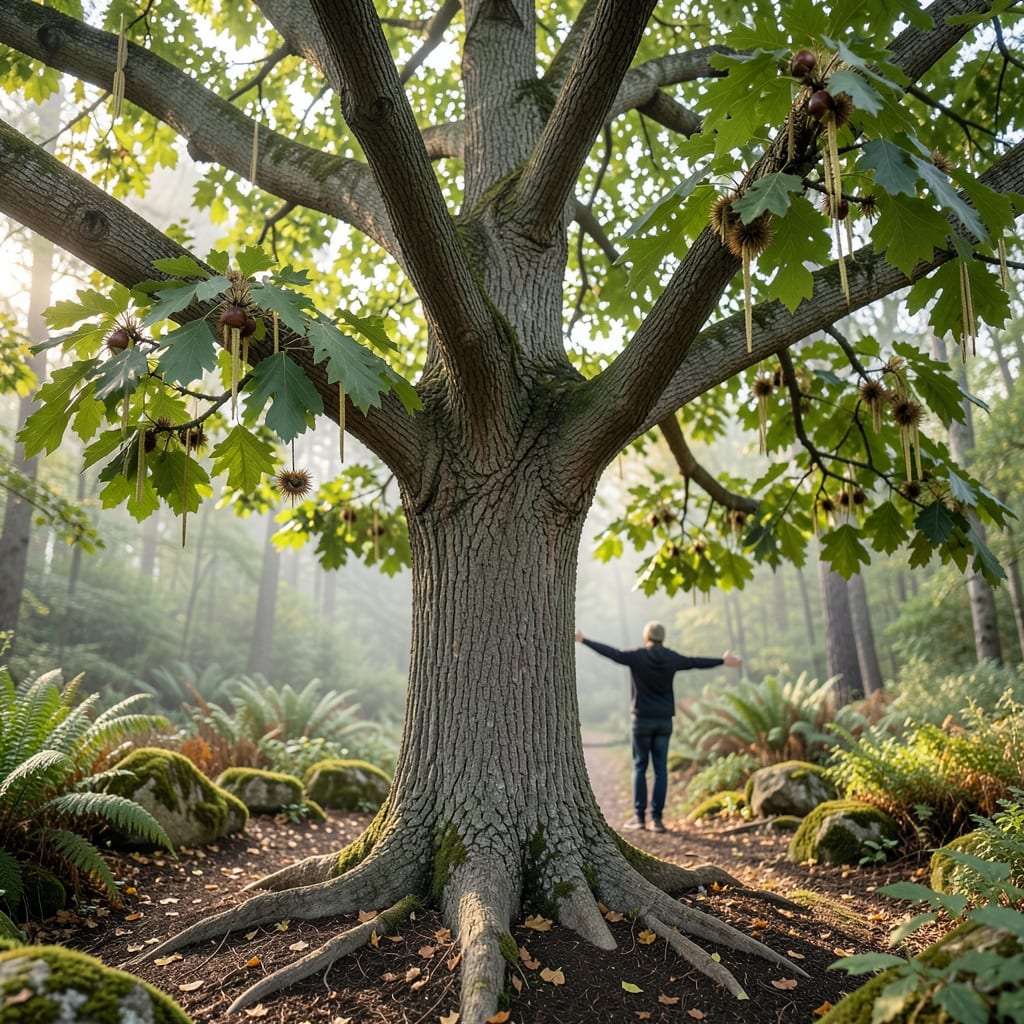
If you're dreaming of a towering American chestnut tree and wondering how tall do American chestnut trees grow, you might be surprised by just how massive these giants can become—when given the right conditions. Before the devastating blight of the early 1900s, these trees routinely reached heights of 100 feet or more, dominating forests with their stately presence.
Today, blight-resistant hybrids are making a comeback, though their mature heights typically range between 30 to 80 feet. The key to unlocking their full potential lies in soil quality, sunlight exposure, and strategic care—factors that can accelerate growth by 3 to 5 feet per year in ideal settings.
Whether you're a home gardener or a landscaper, understanding these growth patterns helps you decide if this majestic tree is right for your space. With the right approach, you could be nurturing a future giant that not only thrives but also restores a piece of America's natural heritage.
Let’s break down what influences their height, how fast they grow, and the best practices to maximize their stature—so you can plant with confidence and watch your American chestnut reach its full potential.

American chestnut tree height: historical growth records vs. modern hybrids
The American chestnut (Castanea pectinata) once stood as a forest giant, with historical records showing mature specimens reaching 100 feet or taller. These trees were a staple of eastern U.S. forests, with some specimens documented at 120 feet before the chestnut blight devastated populations in the early 1900s.
Today, blight-resistant hybrids—like the ‘Dunstan’ or ‘Nutting 2’ varieties—typically grow between 30 to 80 feet under ideal conditions. While not as towering as their ancestors, these hybrids still offer impressive growth rates and resilience, making them a prized addition to restoration projects and large landscapes.
Climate plays a critical role in determining height. In warmer, humid regions like the Southeast, American chestnuts can reach their full 60–80-foot potential. Meanwhile, in cooler northern climates, growth may slow, with mature trees often maxing out around 40–60 feet.
| Type | Mature Height | Growth Rate | Climate Suitability |
|---|---|---|---|
| Pre-Blight Native | 100+ ft | 5+ ft/year | Southeast U.S. |
| Modern Hybrid (e.g., ‘Dunstan’) | 60–80 ft | 3–5 ft/year | USDA Zones 4–8 |
| Northern Hybrid (e.g., ‘Nutting 2’) | 40–60 ft | 2–4 ft/year | USDA Zones 5–7 |
| Urban/Container Variety | 20–30 ft | 1–2 ft/year | Limited space |
For home gardeners, even the smaller hybrids (40–60 feet) can make a dramatic statement, especially when planted as a focal point in large yards. Their rapid early growth—6–10 feet in just 2 years—makes them a rewarding choice for those willing to invest in long-term care.
Soil quality is another key factor. Well-draining, slightly acidic soil (pH 4.5–6.5) fuels faster growth, while poor soil can stunt height by up to 20–30%. Amending clay or sandy soil with compost or organic matter can make a noticeable difference in a tree’s vertical progression.
One often-overlooked factor is competition from neighboring plants. In dense forests, American chestnuts may grow taller but slower due to limited sunlight. In open spaces, they can achieve their full height potential with minimal competition, especially when paired with deep-rooted companions like oaks or hickories.
If you’re planting for timber or nuts, prioritize spacious, sun-drenched sites with 6+ hours of direct sunlight daily. Even in less-than-ideal conditions, these trees will grow—just expect a more modest stature. With the right approach, your American chestnut could one day rival the legendary giants of the past.
Ready to unlock their full height? The next step is choosing the right variety and optimizing care—we’ll cover those secrets in the following sections.
Fastest-growing American chestnut varieties & ideal growing conditions
If you're eager to grow an American chestnut tree that reaches its full 60–80-foot potential faster, you’ll want to focus on blight-resistant hybrids like ‘Dunstan’ or ‘Nutting 2’. These varieties aren’t just hardy—they also grow 3–5 feet per year under ideal conditions, making them perfect for those with patience and space.
To maximize growth, prioritize well-draining soil with a slightly acidic pH (5.0–6.5). American chestnuts thrive in full sun (6–8+ hours daily), but they also tolerate partial shade, though their height may be slightly stunted. In regions with hot summers, mulching around the base helps retain moisture and encourages deeper root growth.
The fastest growth occurs when trees are planted in USDA Zones 5–8, where frost-free seasons last 165+ days. In cooler climates, growth slows slightly, but with proper care, these trees can still reach 50–70 feet over 20–30 years. The key is consistency—watering deeply once a week during dry spells and avoiding over-fertilizing, which can weaken roots.
🌱 American Chestnut Growth Summary
| Growth Factor | Ideal Condition | Impact on Height |
|---|---|---|
| Sunlight | 6–8+ hours daily | Maximizes growth rate |
| Soil pH | 5.0–6.5 (acidic) | Enhances nutrient uptake |
| Watering | Deep soak weekly | Supports root expansion |
| Climate Zone | USDA 5–8 | Faster growth in warm regions |
For urban or small-acreage gardeners, consider spacing trees 30–40 feet apart to avoid root competition. If you’re planting multiple trees, group them in clusters to mimic their natural forest habitat, which can boost growth by 20% due to shared nutrients. Just ensure each tree has at least 15 feet of clear space around its trunk for airflow, reducing the risk of fungal diseases.
One often-overlooked factor is companion planting. Pairing American chestnuts with oak trees or maples can improve soil quality over time, while avoiding competitive species like walnut trees (which release juglone, a toxin). With the right neighbors, your chestnut’s growth will accelerate naturally, setting the stage for a towering, shade-providing giant in just a few decades.
Pro tip: Plant in early spring (April–May) when soil is moist but not waterlogged. This timing aligns with the tree’s natural growth cycle, giving it a head start before summer’s peak growth period. Within 3 years, you’ll see heights of 12–18 feet, and with consistent care, that 60–80-foot dream becomes entirely achievable.