
Size
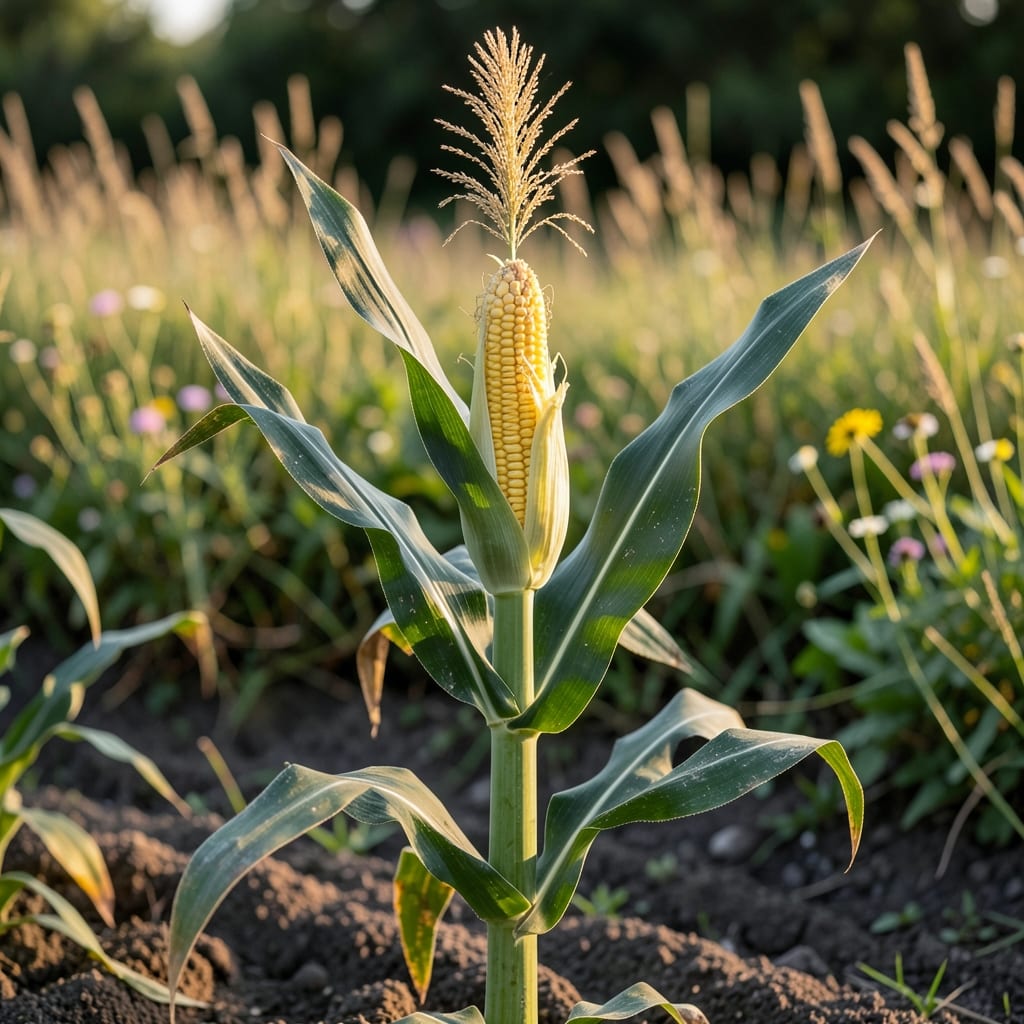
If you’ve ever wondered how tall a corn plant can grow, you’re not dreaming—some varieties reach an astonishing 12–14 feet with the right care! But before you picture towering stalks in your backyard, there’s a science to maximizing their height.
Most gardeners assume corn stays around 6–8 feet, but hybrid varieties like ‘Mammoth Melting’ or ‘Country Gentleman’ can shatter those expectations—given the perfect mix of sunlight, soil, and spacing. The key? Understanding how genetics, nutrients, and even your local climate play a role in whether your corn becomes a backyard giant or a modest shrub.
In this guide, I’ll break down the tallest corn varieties, the secrets to coaxing extra height from your plants, and the common mistakes that keep corn from reaching its full potential. Whether you’re a backyard gardener or a curious green thumb, you’ll learn how to grow corn that doesn’t just fill your plate—but your skyline too.
Ready to turn your garden into a cornfield of towering stalks? Let’s get growing!


Giant corn varieties and their maximum heights (with growing records)
If you’re dreaming of cornstalks that reach for the sky, you’re in luck—some varieties can grow 12–14 feet tall with the right conditions. But not all corn is created equal. Standard varieties typically max out at 6–8 feet, while giant heirlooms like ‘Mammoth Melting’ or ‘Country Gentleman’ can shatter those expectations. The secret? Genetics, sunlight, and soil quality.
For example, the ‘Mammoth Melting’ variety holds records for 14-foot stalks under ideal conditions, while ‘Country Gentleman’ often tops out at 10–12 feet. These giants aren’t just tall—they’re also high-yielding, producing ears that match their stature. But before you plant, know that these varieties need space, nutrients, and patience to reach their full potential.
Below is a breakdown of the tallest corn varieties and the conditions that help them grow like skyscrapers. Whether you’re a backyard gardener or a competitive grower, these insights will help you choose the right variety for your garden’s height goals.
| Variety | Max Height | Days to Maturity | Key Growing Tips |
|---|---|---|---|
| Mammoth Melting | 12–14 ft | 100–120 days | Needs rich soil, 6+ hours of sun, and wide spacing (36+ inches). |
| Country Gentleman | 10–12 ft | 90–110 days | Tolerates cooler climates but needs consistent water. |
| Lancaster Sure Crop | 8–10 ft | 85–100 days | Great for smaller gardens but still high-yielding. |
| Pride of Florida | 9–11 ft | 95–110 days | Loves humid climates and well-draining soil. |
| Golden Bantam (Dwarf) | 3–5 ft | 60–75 days | Perfect for containers or small spaces. |
Choosing the right variety is just the first step. Soil quality plays a massive role in how tall your corn grows. Nitrogen-rich soil fuels rapid stem growth, while phosphorus and potassium support root and ear development. If your soil is lacking, amend it with compost or a balanced fertilizer before planting.
Sunlight is another critical factor. Corn needs 6–8 hours of direct sun daily to reach its maximum height. In shady spots, stalks may grow tall but weak, increasing the risk of lodging (falling over). If your garden has partial shade, opt for semi-dwarf varieties like ‘Lancaster Sure Crop’ to avoid disappointment.
Spacing is often overlooked but crucial for tall corn. Crowded plants compete for nutrients and sunlight, stunting growth. For giant varieties, space plants 36 inches apart in rows 4 feet wide. This gives roots room to expand and stalks room to stand tall without leaning.
Pro tip: If you’re growing corn in containers or raised beds, choose dwarf or semi-dwarf varieties like ‘Golden Bantam’ or ‘Peaches and Cream.’ These stay under 5 feet tall but still produce abundant ears—perfect for balconies or small plots.
Ready to grow corn that towers over your fence? Start with the right variety, prep your soil, and give those stalks the space they need to reach for the sky! 🌽
How to maximize corn plant height: soil, water, and support tips
If you’re aiming for cornstalks that reach 12–14 feet, the secret lies in three critical factors: soil nutrition, consistent watering, and proper structural support. I’ve grown corn that nearly touched our second-story porch, and it all started with these foundational practices. Let’s break down how to give your corn the best shot at sky-high success.
First, your soil must be rich in organic matter and nitrogen—corn is a heavy feeder, and poor soil is like giving a marathon runner jelly legs. Amend your garden beds with compost or well-rotted manure before planting, and side-dress with a balanced fertilizer (10-10-10) when plants reach knee height. Think of it as giving your corn a high-protein diet for rapid vertical growth.
- Test your soil’s pH (6.0–7.0 ideal)—corn thrives in slightly acidic to neutral conditions.
- Add 1–2 inches of compost to the top 6 inches of soil before planting.
- Mix in aged manure or bone meal for extra phosphorus to boost root development.
- Avoid fresh manure—it can burn roots and stunt growth.
Watering is another game-changer. Corn plants need 1–1.5 inches of water per week, especially during tasseling and ear formation. I’ve seen corn wilt dramatically when deprived of moisture, only to bounce back with deep, consistent watering. Water deeply in the morning to reduce evaporation and fungal risks like corn smut. A soaker hose or drip irrigation system delivers water right to the roots without wetting the leaves.
Now, let’s talk support—because even the tallest corn can topple under its own weight. Use bamboo stakes or corn trellises to provide stability, especially for varieties like ‘Country Gentleman’ that can reach 12+ feet. Tie the stalks loosely to the support as they grow, giving them room to thicken. I’ve also seen gardeners use cattle panels or tomato cages for larger patches of corn. Just avoid tying too tightly—you want to guide, not strangle, the growth.
Don’t overlook the power of spacing. Crowded corn plants compete for nutrients and sunlight, leading to weak, stunted stalks. Follow the 30-inch row spacing and 4–6-inch plant spacing guidelines for most varieties. If you’re growing a giant like ‘Mammoth Melting,’ give them even more room—up to 18 inches between plants—to ensure they have space to stretch toward the sky.
Finally, keep an eye out for lodging—when cornstalks lean or fall over. This often happens due to wind, uneven watering, or poor soil structure. To prevent it, mulch around the base with straw or grass clippings to retain moisture and stabilize the soil. If you notice leaning stalks early, gently reposition them and secure them with soft ties. With these tips, your corn won’t just grow tall—it’ll grow strong and proud.