
Size
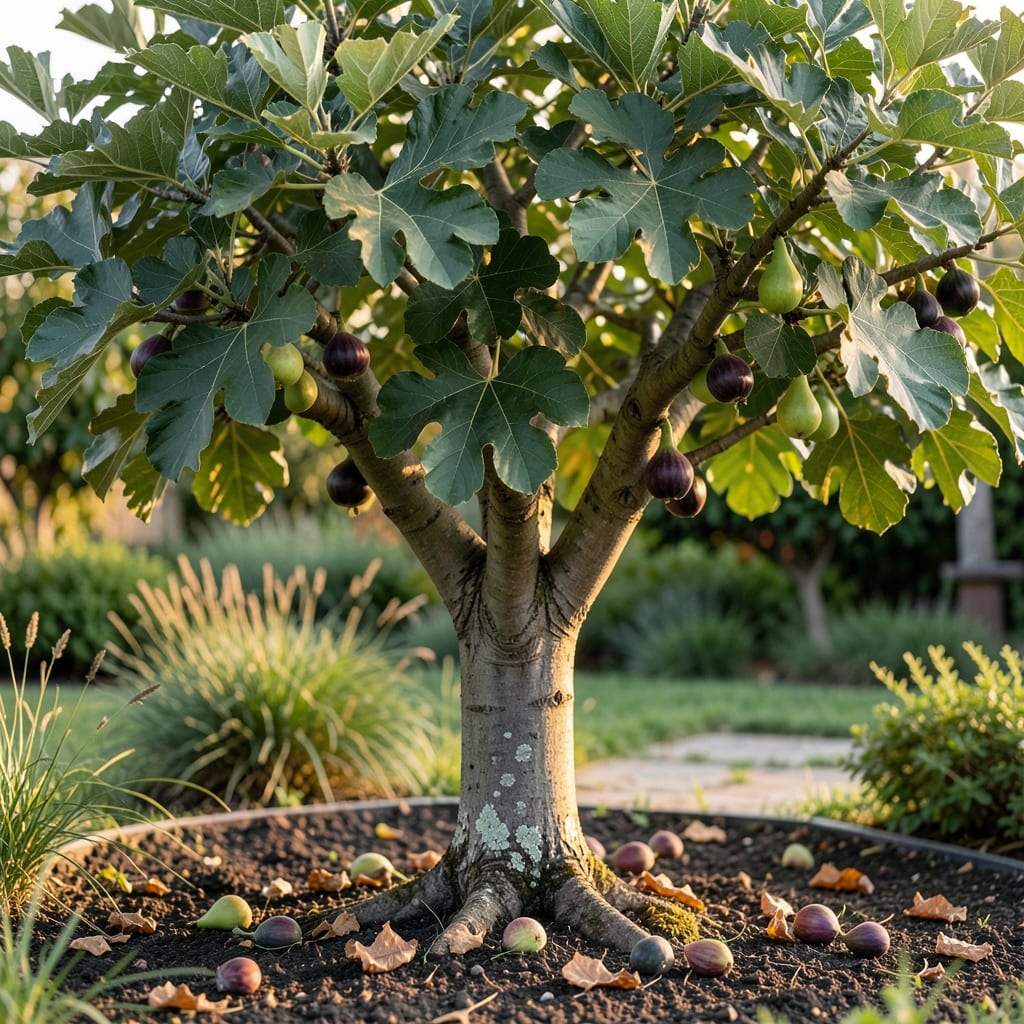
If you’re wondering how tall can a fig tree grow, the answer might surprise you—some varieties stretch taller than a two-story house, while others stay perfectly manageable for small gardens or even containers. Whether you’re planning a backyard oasis or a cozy patio setup, knowing your fig tree’s potential height is key to making the right choices.
Fig trees like the 🌳 'Brown Turkey' can reach 20-30 feet at maturity, towering over most homes, while dwarf varieties such as 'Little Miss Figgy' stay a modest 8-12 feet. The difference comes down to genetics, pruning habits, and even where you live—soil, climate, and sunlight all play a role in how big your tree will grow.
But here’s the good news: with the right pruning techniques, you can control your fig tree’s height and keep it within your desired space. Whether you’re aiming for a shade-providing giant or a compact patio tree, this guide will help you understand the factors that influence growth—and how to shape your tree to fit your garden perfectly.
Ready to find out which varieties suit your space and how to manage their height? Let’s break it down so you can grow the fig tree of your dreams—without the surprises.


Fig tree height by variety: from dwarf to towering giants
Fig trees are as diverse in size as they are in flavor, with some varieties reaching monumental heights while others remain perfectly proportioned for small gardens. The mature height of your fig tree depends entirely on its variety—so choosing the right one for your space is the first step to avoiding a 20-foot surprise in your backyard.
For gardeners with limited space, dwarf varieties like 'Little Miss Figgy' or 'Celeste' are ideal, topping out at just 8-12 feet. These compact trees are perfect for containers or urban patios, offering sweet figs without the space commitment. On the other end of the spectrum, standard varieties like 'Brown Turkey' or 'Osborn Prolific' can grow 20-30 feet tall, making them better suited for large yards or as shade trees.
Here’s the key: genetics dictate potential height, but pruning and growing conditions can influence how close your tree gets to its maximum size. For example, the 'Chicago Hardy' fig, a cold-hardy variety, typically reaches 15-20 feet but can be pruned to stay smaller. Meanwhile, 'Violette de Bordeaux', a French variety, grows 12-18 feet and thrives in cooler climates, making it a great mid-size option.
| Variety | Mature Height | Growth Habit | Best For |
|---|---|---|---|
| Little Miss Figgy | 8–12 ft | Compact, bushy | Containers, small yards |
| Celeste | 10–15 ft | Upright, moderate spread | Patios, urban gardens |
| Chicago Hardy | 15–20 ft | Vigorous, cold-hardy | Large yards, shade trees |
| Brown Turkey | 20–30 ft | Tall, spreading canopy | Rural properties, orchards |
| Violette de Bordeaux | 12–18 ft | Medium height, cold-tolerant | Cooler climates, small farms |
| Osborn Prolific | 20–25 ft | Fast-growing, productive | Large gardens, commercial use |
If you’re planning your garden layout, consider the spread of the tree as much as its height. Some varieties, like 'Brown Turkey', develop wide canopies that can reach 15-20 feet across, while others like 'Little Miss Figgy' stay more contained with a spread of just 6-8 feet. This makes a big difference if you’re planting near fences, walkways, or other structures.
Another factor to consider is your climate zone. Fig trees thrive in USDA Zones 7-10, but some varieties, like 'Chicago Hardy', are bred for colder zones (as low as Zone 5 with protection). In warmer climates, fig trees grow faster and can reach their maximum height sooner. For example, a 'Brown Turkey' in Zone 9 might hit 20 feet in 5-7 years, while the same tree in Zone 7 could take 10+ years to reach that height.
For those with limited space, semi-dwarf varieties like 'Celeste' or 'Desert King' (which grows 12-18 feet) offer a happy medium. These trees still produce abundant figs but stay manageable enough for medium-sized yards or even large containers. The key is to choose a variety that matches your space and climate—this ensures your fig tree will thrive without becoming an unmanageable giant.
One common mistake gardeners make is assuming all fig trees grow the same size. In reality, the difference between a dwarf and a standard variety can be 20 feet or more. Always check the mature height and growth habit before purchasing, and don’t forget to account for pruning needs if you want to keep your tree smaller. With the right variety, you can enjoy fresh figs without sacrificing your garden’s layout!
Next, we’ll explore how pruning techniques can help you control your fig tree’s height—whether you’re aiming for a compact patio tree or just want to keep it from outgrowing its space. Stay tuned for step-by-step tips on shaping your tree to fit your garden perfectly.
Fig tree height by variety: from dwarf to towering giants
Fig trees come in a stunning range of sizes, from compact patio dwarfs to towering shade giants. The variety you choose determines whether your tree will reach 30 feet or stay under 10 feet. For example, the 'Little Miss Figgy' stays a manageable 8-12 feet, perfect for small yards, while the 'Brown Turkey' can soar to 20-30 feet, dominating large landscapes.
Climate also plays a role—figs grown in warmer USDA Zones 8-11 often grow faster and taller than those in cooler Zone 7. In colder climates, varieties like 'Chicago Hardy' (15-20 feet) thrive, while 'Celeste' (10-15 feet) adapts well to containers or small spaces. Always check your zone before planting to avoid disappointment.
Here’s a quick comparison of popular fig varieties and their mature heights to help you plan:
| Variety | Mature Height | Growth Habit | Best For |
|---|---|---|---|
| Little Miss Figgy | 8–12 ft | Compact, bushy | Containers, small yards |
| Celeste | 10–15 ft | Upright, moderate spread | Patios, urban gardens |
| Chicago Hardy | 15–20 ft | Cold-hardy, upright | Cold climates, large yards |
| Brown Turkey | 20–30 ft | Tall, spreading | Shade trees, large properties |
| Desert King | 12–18 ft | Drought-tolerant, bushy | Arid climates, low-maintenance |
If you’re working with limited space, dwarf varieties like 'Little Miss Figgy' or 'Celeste' are ideal—they produce fruit without overwhelming your garden. However, if you love the idea of a shade-providing giant, standard varieties like 'Brown Turkey' will deliver dramatic results. Just remember: taller trees need more space for roots and branches to spread safely.
For first-year growth, expect your fig tree to reach 2-4 feet, with rapid growth in years 2-3. By year 5, most varieties will hit their mature height range. Pruning early can help guide growth, but genetics ultimately determine the ceiling. Choose wisely based on your space and climate!
🌱