
How To
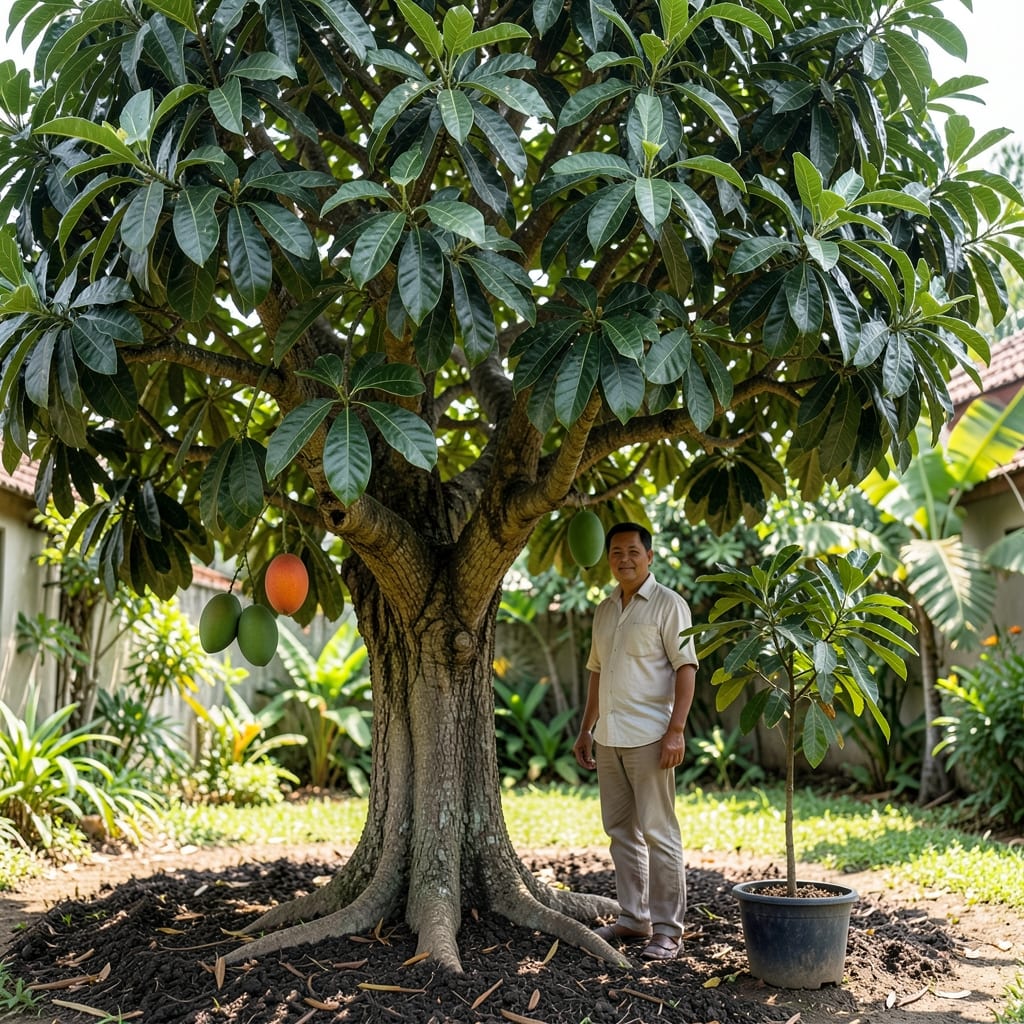
If you’ve ever dreamed of growing your own 🥭 mango tree, you might be surprised to learn that how tall can a mango tree grow—some varieties even stretching 100 feet tall under ideal conditions. But here’s the twist: not all mango trees grow that way, and the difference between a towering giant and a manageable backyard tree often comes down to the variety you choose.
Picture this: a lush, sun-drenched garden where you can pluck ripe mangoes straight from the tree—without needing a ladder. The key to making that vision a reality lies in understanding how tall your mango tree can grow, and more importantly, how to control its size. From dwarf cultivars that stay under 15 feet to standard varieties that reach skyscraper proportions, the possibilities are as varied as the flavors of mangoes themselves.
What determines whether your tree becomes a towering monument or a compact centerpiece? Climate, soil, pruning practices, and even the age of the tree all play a role. In this guide, I’ll break down the height ranges for popular varieties like ‘Keitt’ and ‘Haden’, share expert tips for managing growth, and reveal the secrets to keeping your 🥭 mango tree at the perfect height for your space.
Whether you’re a first-time grower or a seasoned gardener, knowing how tall your mango tree can grow—and how to shape it—is the first step to enjoying homegrown fruit for years to come. Let’s dive into the details so you can grow the perfect tree for your garden.


Mango tree height by variety: from dwarf to giant growth potential
When you’re planning to grow a 🥭 mango tree, one of the first questions is: how tall can a mango tree grow? The answer depends entirely on the variety you choose. Some mango trees reach 100 feet or more, while others stay compact enough for even small backyards. For example, the ‘Cogshall’ variety is a dwarf option, rarely exceeding 10–15 feet, making it perfect for containers or urban gardens.
On the opposite end of the spectrum, the ‘Alphonso’ mango—a favorite in India—can tower over 80 feet in ideal tropical conditions. Even in the U.S., varieties like ‘Haden’ and ‘Keitt’ typically grow between 40–60 feet when left unpruned. Understanding these differences helps you pick the right tree for your space and climate.
Soil quality and climate play a huge role in how tall a mango tree grows. In USDA Zones 10–11, where frost is rare, mango trees thrive and can reach their full height potential. However, in cooler climates like Zone 9, growth may be slower, and trees might stay shorter unless you use dwarf rootstock or grafting techniques. For instance, a ‘Keitt’ mango grafted onto dwarf rootstock in Florida might only reach 20–30 feet, while the same variety in Hawaii could soar to 60 feet.
Here’s a quick comparison of popular mango varieties and their typical mature heights:
| Variety | Mature Height (ft) | Growth Notes |
|---|---|---|
| ‘Cogshall’ | 10–15 ft | Dwarf variety; ideal for containers or small gardens. |
| ‘Haden’ | 40–60 ft | Standard size; needs space but produces sweet fruit. |
| ‘Keitt’ | 50–80 ft | Tall but manageable with pruning; popular in Florida. |
| ‘Alphonso’ | 60–100 ft | Giant variety; thrives in tropical climates like India. |
| ‘Kent’ | 30–50 ft | Semi-dwarf; great for home gardens with regular pruning. |
If you’re growing a mango tree in a container, even standard varieties can be kept smaller through pruning and root restriction. For example, a ‘Haden’ in a 15-gallon pot might only reach 15–20 feet over 10 years, while the same tree in the ground could double in height. The key is to choose a pot size that matches your desired height goal and prune regularly to encourage bushier growth.
Another factor to consider is the rootstock used for grafting. Dwarf rootstock, like those from ‘Cogshall’ or ‘Sensation’ mango trees, can keep even large varieties like ‘Keitt’ under 20 feet. This technique is commonly used in commercial orchards and home gardens where space is limited. Just be aware that dwarf trees may produce slightly smaller fruit, though the quality often remains excellent.
For those in cooler climates, like Zone 9, growth rates slow down, and trees may never reach their full potential. However, with microclimate protection—such as planting near a south-facing wall or using windbreaks—you can still grow a manageable 15–25 foot tree over time. Varieties like ‘Julie’ or ‘Ice Cream’ are more cold-hardy and may stay shorter naturally.
Ultimately, the height of your mango tree isn’t just about the variety—it’s also about how you care for it. Pruning, grafting, and even the container you choose can drastically alter growth patterns. Whether you’re aiming for a backyard giant or a container-friendly dwarf, knowing these factors puts you in control of your tree’s size.
How to control mango tree height: pruning, grafting & spacing tips
Now that you know how tall can a mango tree grow based on variety, the next step is managing its height to fit your space. Even the tallest mango trees—like ‘Alphonso’ or ‘Keitt’—can be controlled with the right techniques. The key is pruning, which isn’t just about cutting branches but shaping the tree’s growth pattern. For example, structural pruning in the first 2–3 years establishes a strong framework, preventing weak limbs that could snap under fruit weight.
Timing is everything when pruning mango trees. The best time to prune is late winter or early spring, just before new growth begins. Avoid pruning during flowering or fruiting seasons, as this can reduce yield. For container-grown trees, you can prune lightly throughout the year to maintain shape, but always remove no more than 25% of the canopy in a single session to avoid stressing the tree.
Here’s a quick guide to the most effective pruning techniques for controlling height:
- Prune in late winter to encourage strong new growth before the growing season.
- Remove upward-growing branches (called "water sprouts") to prevent excessive height.
- Thin out dense foliage to improve air circulation and reduce disease risk.
- Use dwarf rootstock if you want a tree under 20 feet—this is the most reliable method.
- Avoid heavy pruning after flowering, as this can reduce fruit production.
Grafting is another powerful tool for controlling height, especially if you’re working with standard varieties like ‘Haden’ or ‘Keitt’. By grafting these onto dwarf rootstock—such as ‘Cogshall’ or ‘Sensation’—you can keep the tree under 15–20 feet even if the scion (top part) would normally grow much taller. This method is commonly used in commercial orchards and is becoming more popular among home gardeners with limited space.
Spacing is equally important for managing height. If you’re planting multiple mango trees, give them at least 20–30 feet of space between each tree to allow for proper airflow and sunlight penetration. In smaller gardens or containers, reduce spacing to 10–15 feet, but be prepared for more aggressive pruning to maintain size. Remember, mango trees with restricted root space (like those in containers) will naturally grow slower and stay shorter, but they’ll also need more frequent watering and fertilizing.
One common mistake gardeners make is over-pruning young mango trees in an attempt to control height quickly. This can weaken the tree and delay fruiting. Instead, focus on selective pruning—removing only the branches that contribute to excessive height while preserving the tree’s natural shape. For example, if you notice a branch growing straight up from the trunk, prune it back to a lateral branch to encourage a bushier, more manageable form.
Finally, don’t forget that soil quality and watering play a role in height control. Mango trees grown in nutrient-rich, well-draining soil with consistent moisture tend to grow taller and faster. If you’re aiming for a shorter tree, consider using slightly poorer soil conditions (though not too poor!) or limiting water during the growing season to slow height growth. However, this approach requires careful monitoring to avoid stressing the tree.