
Size
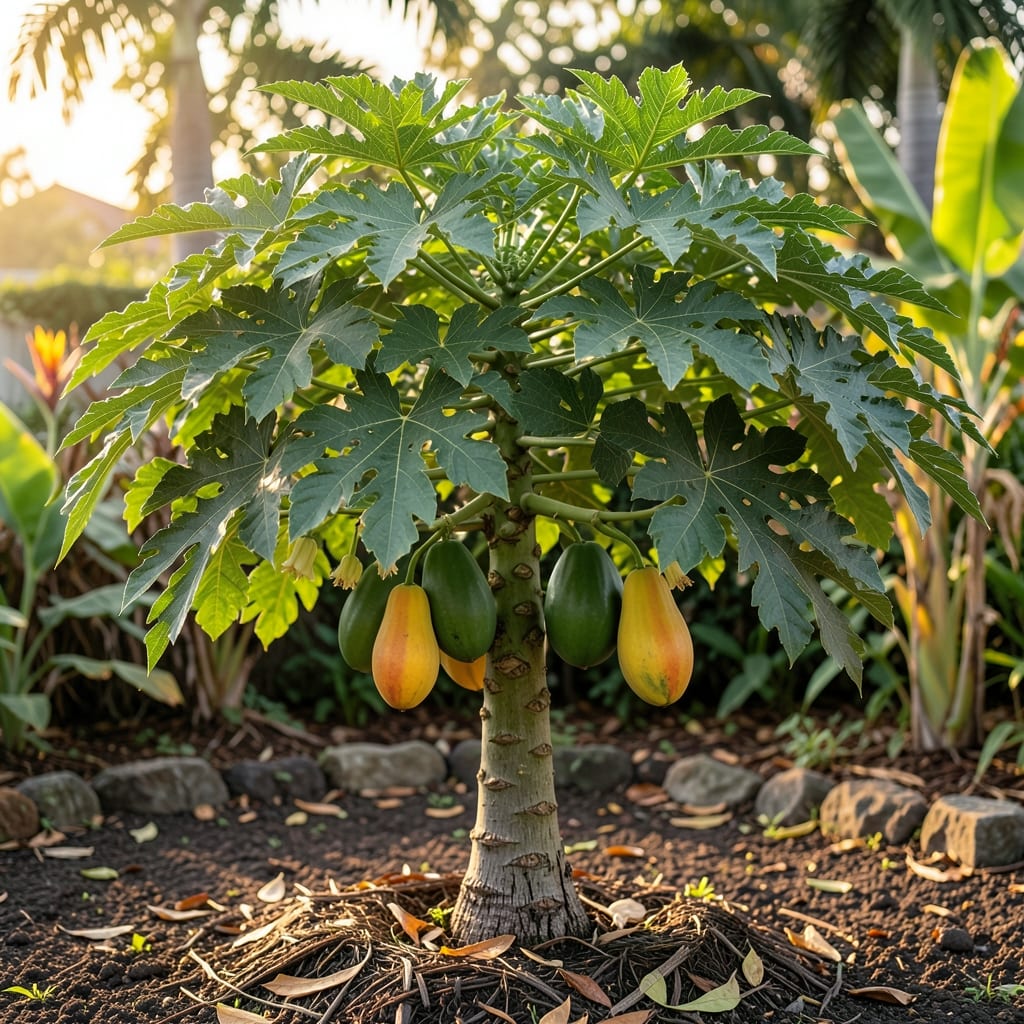
Ever stared at a 🍈 papaya tree in a grocery store and wondered just how tall these tropical giants can grow in your own backyard? The answer might surprise you—some varieties stretch toward the sky like a living skyscraper, while others stay more manageable. If you're dreaming of growing one but worried about space or maintenance, you're not alone.
Papaya trees in their natural tropical habitats can reach 10 to 30 feet tall, with some even topping out at 30 feet under perfect conditions. That’s taller than a two-story house! But here’s the catch: their height isn’t just about genetics—it’s also about where you live, how you prune them, and even the variety you choose.
Whether you’re in USDA zones 10-12 or experimenting with container gardening, I’ll break down exactly how tall your papaya tree could grow—and how to control its size if needed. From dwarf-like varieties (though they’re rare) to sky-high giants, we’ll cover it all so you can plan your garden like a pro.
Ready to turn your backyard into a tropical oasis? Let’s dive into the factors that shape your papaya tree’s height—and how to make it work for your space, whether you want a compact fruit producer or a full-blown jungle statement piece.

Papaya tree height limits by variety: from dwarf to towering giants
If you’re picturing a papaya tree reaching for the clouds, you’re not far off! While most varieties grow between 10 to 30 feet, some tropical giants can surpass even the tallest palm trees. The key? Variety selection and growing conditions. Let’s explore the height ranges of popular papaya types and what makes them grow like skyscrapers—or stay more manageable.
Genetics play a huge role in height. For example, the Hawaiian Solo variety often tops out around 15 feet, while Red Maradol papayas can stretch toward 20 feet or more. Even within the same variety, trees grown in ideal tropical climates with abundant sunlight and nutrients can reach their maximum potential. In contrast, cooler zones or container-grown trees may stay shorter but still produce fruit.
Here’s the exciting part: some gardeners report 30-foot papaya trees in perfect conditions—think lush, frost-free climates like Hawaii or Florida. That’s taller than a two-story house! But don’t worry if your space is limited. With the right care, you can keep your tree in check while still enjoying a bountiful harvest.
Now, let’s dive into the specifics. The table below breaks down height ranges by variety, so you can pick the perfect fit for your garden—or dream big and go for the sky-high varieties.
| Variety | Mature Height Range | Notes |
|---|---|---|
| Hawaiian Solo | 10–15 ft | Compact but productive; great for smaller yards. |
| SunUp | 12–20 ft | Fast-growing; thrives in warm climates. |
| Red Maradol | 15–25 ft | Tall and vigorous; needs strong support. |
| Kapoho Solo | 8–12 ft | Dwarf-like; ideal for containers or small spaces. |
| Wild Type (Uncultivated) | 20–30+ ft | Untamed growth; can reach extreme heights. |
Notice how Kapoho Solo stays on the shorter side, making it perfect for containers or small backyards? Meanwhile, the Red Maradol and wild-type varieties are the towering giants of the papaya world. If you’re in a tropical climate, you might even see your tree hit 30 feet with the right care—just imagine harvesting fruit from a tree taller than your house!
But here’s a pro tip: even the tallest papaya trees can be pruned to control height. Many gardeners use techniques like topping or selective pruning to keep their trees at a manageable size while still encouraging fruit production. We’ll dive deeper into pruning strategies in the next section, but for now, know that genetics aren’t your only option for controlling height.
If you’re in a cooler climate like USDA zone 9 or 10, your papaya tree might not reach its full potential. However, with proper care—like using black plastic mulch to warm the soil or growing in containers that can be moved indoors during cooler months—you can still coax a 10- to 15-foot tree from many varieties.
So, which variety are you leaning toward? Whether you want a compact fruit producer or a tropical statement piece, the right choice depends on your space, climate, and how much you’re willing to invest in pruning and support. Let’s explore how to maximize—or minimize—height in the next section.
🌱
How climate and care affect papaya tree height: pruning, support, and more
Your papaya tree’s final height isn’t just written in its genes—it’s heavily influenced by how you care for it. In tropical climates, where these trees thrive naturally, they can shoot up to 30 feet with minimal intervention. But in cooler zones or containers, their growth becomes a carefully managed art.
One of the biggest factors is pruning. Unlike many fruit trees, papayas respond well to strategic pruning to control height. If you’re growing in a small space, prune the central leader (main trunk) early to encourage a bushier, shorter shape. This doesn’t just limit height—it also boosts fruit production by redirecting energy to side branches.
Here’s the catch: over-pruning can weaken the tree’s structure, making it more prone to breakage. Aim to remove no more than 20-30% of foliage at a time, and always prune just above a leaf node to encourage new growth. Think of it like sculpting—you’re shaping both the tree’s height and its fruit-bearing potential.
⚠️ Warning: Pruning Mistakes That Stunt Growth
Pruning at the wrong time (like during flowering or fruiting) can shock your tree and halt growth. Avoid cutting back in late winter or when fruits are already forming. Also, never remove more than 30% of foliage in one session—this can leave your tree vulnerable to pests and disease.
Another common error? Pruning too low on the trunk. Always cut above a leaf node to encourage new growth, or you’ll end up with a bare, leggy tree that struggles to recover.
Sunlight exposure plays a critical role in height control. Papaya trees grown in partial shade (like under 50% shade cloth) will stretch toward the light, becoming tall and leggy. To keep them compact, ensure they get 6+ hours of direct sunlight daily. In cooler climates, a south-facing wall or greenhouse can provide the extra warmth they need to grow strong and sturdy.
For trees in containers or small spaces, consider using a trellis or support stake. This doesn’t just limit height—it also improves air circulation, reducing the risk of fungal diseases. Simply tie the main trunk to a sturdy post as it grows, and prune side branches to encourage a more manageable shape.
Finally, don’t underestimate the power of seasonal care. In winter months (even in frost-free zones), reduce watering and fertilizing to encourage a slight dormancy period. This can help reset growth patterns, preventing the tree from becoming too top-heavy or prone to breakage during storms.
With the right balance of pruning, sunlight, and support, you can grow a papaya tree that’s both fruitful and manageable, whether you’re aiming for a 10-foot bush or a 20-foot beauty. The key is patience—these trees grow fast, but their long-term health depends on thoughtful care.