
Trees
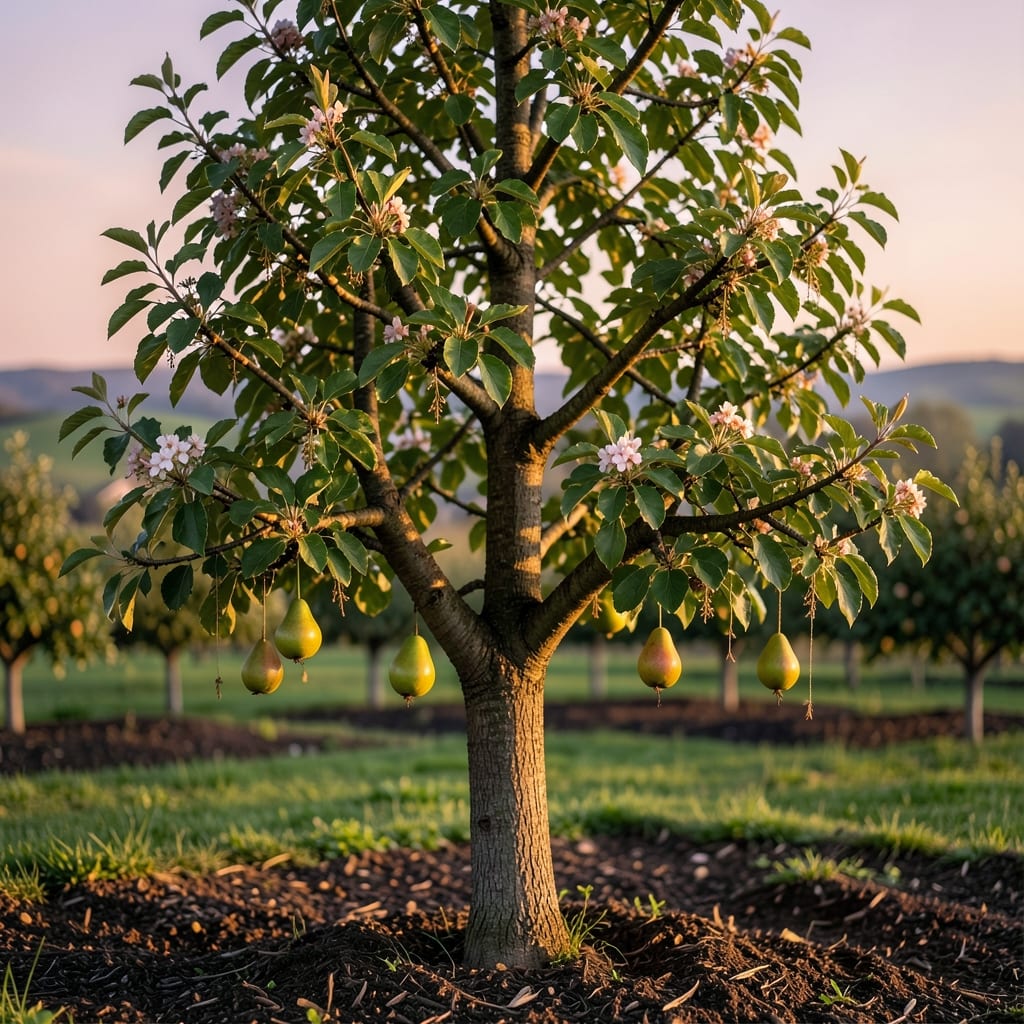
If you’ve ever dreamed of harvesting your own 🍐 from a backyard tree, you’re probably wondering just how tall a pear tree can grow—because space matters! The answer isn’t one-size-fits-all, but knowing the right variety could mean the difference between a towering giant and a perfectly sized addition to your landscape.
Pear trees come in three main sizes: dwarf varieties stay compact at just 6–12 feet, making them ideal for small yards, while semi-dwarf types reach 12–16 feet—great for suburban homes. But if you’re thinking big, standard pear trees can soar up to 40 feet or more, turning your garden into a shady oasis. The key? Choosing the right type for your space and learning how to manage its growth over time.
Beyond variety, factors like soil quality, pruning habits, and even your local climate play a huge role in how tall your pear tree will become. With the right care, you can keep it at a manageable height or let it grow wild—though that might mean trading fruit-picking convenience for a stunning backyard centerpiece. Let’s break down what you need to know to get the perfect-sized tree for your needs.
Whether you’re a first-time gardener or a seasoned green thumb, understanding these basics will help you plan for years of sweet harvests. Ready to pick the perfect pear tree for your space? Let’s dive in!

Pear tree height by variety: dwarf to standard sizes explained
When planning your backyard orchard, the first question is almost always: how tall can a pear tree grow? The answer depends entirely on the variety you choose, as pear trees range from compact dwarf varieties to towering standard trees. For example, a Bartlett pear tree can reach 30–40 feet if left unchecked, while a dwarf Asian pear stays a manageable 6–12 feet. This variety spectrum lets you tailor your tree to your space—whether you have a cozy patio or a sprawling yard.
Understanding these height differences isn’t just about aesthetics; it impacts fruit production, ease of harvesting, and even root competition with other plants. A semi-dwarf pear tree, for instance, typically grows 15–25 feet, making it ideal for suburban yards where you want both shade and fruit without sacrificing lawn space. Meanwhile, standard varieties like the Anjou pear can dominate your landscape, offering lush foliage but requiring more maintenance.
Let’s explore the height ranges for popular pear varieties so you can pick the perfect fit for your garden. Whether you’re dreaming of a backyard orchard or a single statement tree, knowing these details will help you plan for years of sweet harvests.
🍐
| Variety | Type | Mature Height | Best For | Notes |
|---|---|---|---|---|
| Bartlett | Standard | 30–40 ft | Large yards, orchards | Classic flavor; needs space |
| Anjou | Standard | 25–35 ft | Rural properties | Cold-hardy, great for pies |
| Seckel | Semi-Dwarf | 15–20 ft | Suburban homes | Sweet, small fruit; early ripening |
| Hood | Dwarf | 8–12 ft | Containers, small patios | Compact, disease-resistant |
| Asian Pear (e.g., 'Shinseiki') | Dwarf/Semi-Dwarf | 10–16 ft | Urban gardens, balconies | Crisp texture, unique flavor |
| Moonglow | Semi-Dwarf | 12–18 ft | Small orchards | Self-pollinating, cold-tolerant |
If you’re working with limited space, dwarf pear trees are your best bet. Varieties like the Hood pear or dwarf Bartlett stay under 12 feet, making them perfect for containers or small backyards. These trees often produce fruit 2–3 years earlier than standard varieties, giving you quicker rewards. However, they may require more frequent pruning to maintain shape and health.
For those with moderate space, semi-dwarf varieties like the Seckel or Moonglow strike a balance. They grow 15–25 feet tall but still fit well in suburban yards. These trees are often self-pollinating, meaning you don’t need to plant a second tree for fruit production—a huge plus for small gardens.
Standard pear trees, on the other hand, are built for large properties or orchards. A Bartlett or Anjou can easily reach 30–40 feet, providing ample shade and a stunning focal point. However, their height means they’ll need regular pruning to keep branches manageable and prevent structural issues. If you’re considering a standard tree, plan for at least 20 feet of clearance around the base to allow for root spread and future growth.
🌳
One common misconception is that pear tree height is solely determined by genetics. While variety plays a huge role, pruning practices, soil quality, and climate conditions can all influence how tall your tree grows. For instance, a dwarf tree left unpruned might grow taller over time, while a standard tree with aggressive pruning could stay shorter. Understanding these factors will help you manage your tree’s growth and ensure it stays within your desired height range.
Another factor to consider is the rootstock used when planting your pear tree. Dwarf varieties are often grafted onto dwarfing rootstock like Quince A or Old Home x Farmingdale, which naturally limits the tree’s height. Semi-dwarf and standard trees, however, use seedling or semi-vigorous rootstock, allowing them to grow taller. If you’re unsure about rootstock, ask your local nursery—they can guide you toward the best option for your space.
Finally, don’t overlook the harvesting implications of your tree’s height. A 40-foot pear tree might
Lifespan and growth rate: how fast do pear trees reach mature height?
Pear trees don’t grow overnight—they’re patient plants that take time to reach their full mature height. On average, standard varieties grow about 1–2 feet per year, while dwarf and semi-dwarf types grow slightly slower, around 6–12 inches annually. This means a 20-foot standard pear tree could take 10–20 years to reach full height, depending on growing conditions.
Dwarf varieties like 'Pyrus communis' or 'Asian pears' are the fastest to mature, often reaching 6–12 feet in 5–7 years. Semi-dwarf types like 'Bartlett' or 'Anjou' typically hit 12–16 feet in 7–10 years. Standard trees, however, can take decades to reach their towering heights, which is why many gardeners opt for smaller varieties for backyard spaces.
| Variety Type | Mature Height | Time to Mature | Growth Rate |
|---|---|---|---|
| Dwarf | 6–12 ft | 5–7 years | 6–12 in/year |
| Semi-Dwarf | 12–16 ft | 7–10 years | 1–1.5 ft/year |
| Standard | 20–40+ ft | 10–20+ years | 1–2 ft/year |
Several factors influence how quickly a pear tree grows and reaches its maximum height. Soil quality is critical—rich, well-draining soil packed with organic matter speeds up growth. Climate also plays a role: trees in warmer regions like USDA Zones 6–9 grow faster than those in colder areas. Even watering habits matter—deep, consistent watering encourages strong root development, which supports faster vertical growth.
Pruning isn’t just about shaping your tree; it also affects growth rate. Regular pruning in late winter or early spring removes dead or overcrowded branches, allowing the tree to focus energy on upward growth. However, over-pruning can stunt growth, so always remove no more than 25% of the canopy in a single session. For faster growth, avoid heavy pruning in the first few years after planting.
Pear trees are long-lived, with an average lifespan of 20–30 years, though some can live 50+ years with proper care. The oldest recorded pear tree, a 'Bartlett' in England, is over 200 years old! To maximize your tree’s lifespan and height potential, focus on soil health, disease prevention, and consistent care. With the right conditions, your pear tree can become a stunning, fruit-bearing centerpiece for decades.
If you’re impatient for fruit, consider planting a dwarf or semi-dwarf variety—they produce pears in just 3–5 years while staying compact. For a bold statement, a standard tree’s height and shade will reward you for years, but be prepared for the long-term commitment. Either way, your patience will pay off with a bountiful harvest and a beautiful addition to your landscape.