
Flowers
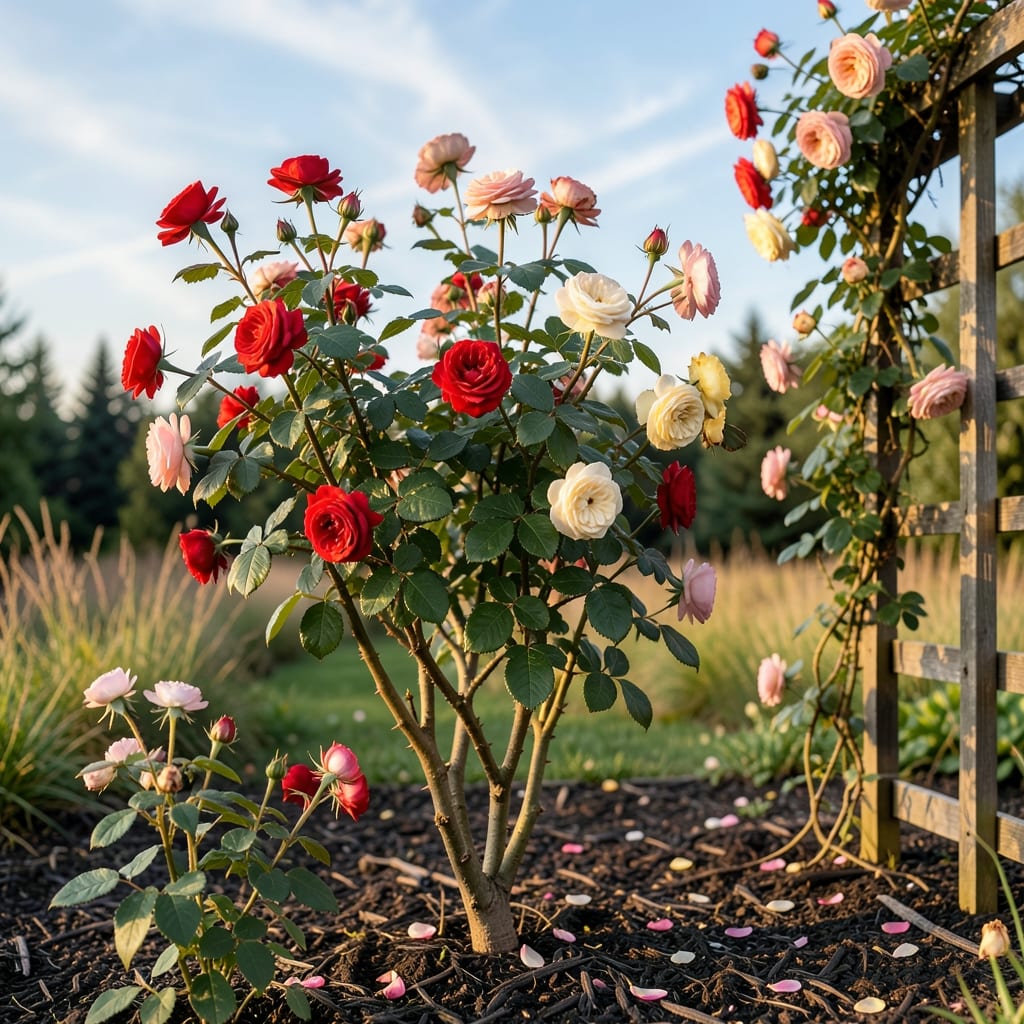
If you’ve ever dreamed of a rose reaching toward your second-story window—or wondered how tall a rose can grow—the answer lies in the variety you choose. Some roses climb like ladders to 20 feet, while others stay neatly contained at 2 feet. The difference isn't magic; it's science, pruning, and the right planting strategy.
Picture this: a climbing rose draping elegantly over a trellis, its thorns-free canes stretching toward the sky, or a bush rose standing proudly as a garden centerpiece. The height potential varies wildly—from delicate miniatures to towering giants—each with its own care requirements. Whether you're working with limited space or aiming for a dramatic focal point, understanding these differences is the key to creating the perfect garden.
But here's the catch: even the tallest roses need the right conditions to thrive. Soil quality, sunlight exposure, and pruning techniques all play a role in determining how high your rose will grow. I'll break down the height ranges of popular varieties, reveal the secrets to encouraging (or controlling) growth, and share practical tips to make your roses reach their full potential—without overpowering your yard.
Ready to transform your garden? Let's dive into the world of roses and discover how to choose, grow, and maintain the perfect height for your space—whether that means sky-high romance or neatly trimmed borders. Your dream rose garden starts here.


Climbing roses: the tallest varieties and their maximum heights
When it comes to how tall a rose can grow, climbing roses take the crown— quite literally. These varieties are bred to reach impressive heights, often 10 to 20 feet or more, making them perfect for trellises, arbors, or even covering old fences. The key difference between climbing and bush roses lies in their canes and growth habits. Climbers produce long, flexible stems that can be trained upward, while bush roses grow in a more compact, rounded shape.
Climbing roses are typically divided into three categories: Ramblers, Climbers, and Hybrid Climbers. Ramblers are the tallest, often exceeding 15 feet, while Hybrid Climbers usually max out around 12 feet. Each type has unique care requirements, but all thrive with proper support and pruning. If you're dreaming of a rose reaching your second-story window, these varieties are your best bet.
Here’s the exciting part: some climbing roses can grow even taller than expected if given the right conditions. For example, the 'New Dawn' rose can reach 12 to 15 feet with proper care, while the 'Blaze' variety typically grows 10 to 12 feet. The secret to their height lies in their long, flexible canes and ability to produce multiple blooms along their length. With the right support structure, like a sturdy trellis or arbor, these roses will climb higher than you might imagine.
But before you plant, consider your garden space and sunlight needs. Climbing roses require full sun exposure (6+ hours daily) and well-draining soil to reach their full potential. Without these conditions, their growth may be stunted, and they might not bloom as prolifically. If your garden gets partial shade, opt for a Hybrid Climber like 'Zephirine Drouhin', which tolerates lighter conditions better than Ramblers.
Now, let’s talk about the support structures that help these roses reach their maximum height. A trellis, arbor, or pergola is essential for guiding their growth upward. Without support, climbing roses can become tangled and prone to disease. I recommend installing a strong, weather-resistant trellis at planting time to give the canes something to grip onto as they grow. This not only encourages vertical growth but also keeps the plant healthy and well-aerated.
One of the most popular climbing roses, 'New Dawn', is a disease-resistant variety that blooms repeatedly throughout the season. It’s perfect for covering large areas and can grow 15 feet or taller with proper care. Another standout is 'Blaze', a vibrant red rose that thrives in USDA Zones 5-9 and can reach 12 feet when trained correctly. These varieties are ideal for adding vertical interest to your garden while providing stunning blooms.
If you're working with limited space but still want a tall rose, consider a Hybrid Climber like 'Iceberg'. While it doesn’t grow as tall as Ramblers, it typically reaches 8 to 10 feet and produces an abundance of white, double blooms. Hybrid Climbers are also more manageable in terms of pruning and maintenance, making them a great choice for smaller gardens.
Here’s a quick tip: if you want to encourage even more height, avoid heavy pruning in the first few years. Let the canes grow long and establish a strong structure before you start shaping the plant. Pruning should focus on removing dead or weak growth and guiding the canes upward. This approach allows the rose to reach its full height potential while maintaining a healthy bloom cycle.
One common mistake gardeners make is assuming all climbing roses grow the same height. In reality, Ramblers like 'Rambling Rector' can exceed 20 feet, while Hybrid Climbers like 'William Baffin' usually top out around 10 feet. Understanding these differences will help you choose the perfect variety for your garden’s scale and aesthetic goals.
For those who love the idea of a sky-high rose garden, consider planting multiple climbing varieties along a fence or pergola. You can mix and match heights and colors to create a stunning vertical display. Just