
Size
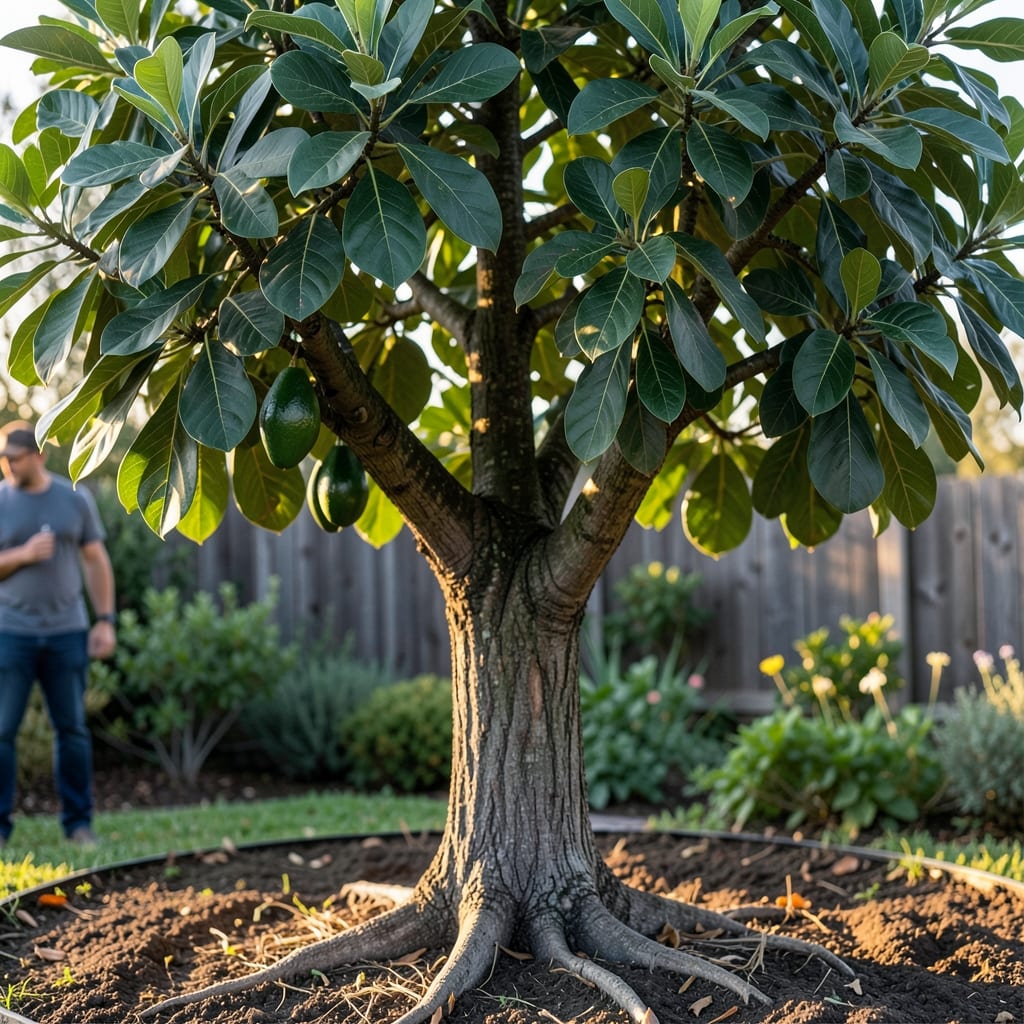
If you're wondering "how tall can avocado trees grow", the answer might surprise you—some varieties stretch toward the sky like skyscrapers, while others stay compact enough for even small gardens. Picture this: a 🥑 avocado tree in General (Tropical/Subtropical Regions) reaching heights of 40–80 feet—taller than most two-story homes—while dwarf varieties top out at just 6–15 feet. Whether you're dreaming of a backyard giant or a cozy container plant, understanding these growth ranges is the first step to planning your perfect avocado tree.
The truth is, your tree's height depends on more than just its variety—climate, pruning habits, and even soil quality play a huge role. In USDA Zones 9b–11, outdoor trees thrive year-round, while colder zones rely on indoor cultivation or dwarf cultivars. But here's the kicker: without proper care, even a dwarf variety can outgrow its space fast. I'll show you how to keep your tree at the ideal height for your space, whether you're working with a 6-foot patio tree or a towering backyard centerpiece.
Let’s break down the factors that influence growth—from the fastest-growing varieties like Hass (which can hit 20–30 feet in ideal conditions) to the slow-and-steady Fuerte, which stays more manageable. You’ll also discover how pruning, grafting, and container gardening can shape your tree’s future. By the end, you’ll know exactly how to nurture a healthy, happy avocado tree that fits your vision—no matter how tall (or short) you want it to be.
Ready to turn your avocado dreams into reality? Whether you're a seasoned gardener or a curious beginner, this guide will help you grow a tree that’s not just tall, but thriving. Let’s get started!

Avocado tree height ranges by variety and climate conditions
When you plant an avocado tree, its future height isn't just about luck—it's a mix of genetics, climate, and care. In ideal tropical conditions, a standard Hass avocado tree can soar to 40–80 feet, while dwarf varieties like Mexicola stay compact at 6–15 feet. But here's the catch: your local climate plays a starring role. In USDA Zones 9b–11, outdoor trees grow aggressively, while colder zones force gardeners to choose dwarf varieties or indoor cultivation. Even then, a tree's height depends on whether it's grafted onto a dwarf rootstock or left to grow naturally.
Let’s start with the big picture: standard avocado trees are like skyscrapers in your garden, reaching heights that rival two-story homes. But if you're working with limited space, dwarf or semi-dwarf varieties are your best bet. For example, the Fuerte avocado typically matures at 20–30 feet outdoors, while the Bacon avocado can hit 30–50 feet in perfect conditions. The key? Understanding how these varieties respond to your specific climate—whether you're in humid Florida or dry California.
Now, let’s talk about the dwarf varieties that are perfect for containers or small yards. These trees are grafted onto dwarfing rootstock like Mexicola or Wurtz, which naturally limits their height. Even so, they still need proper care to stay within those 6–15 foot limits. Without pruning, even a dwarf tree can grow taller than expected, so regular maintenance is a must. If you're growing indoors, expect slower growth—1–3 feet in the first year—but with the right light and nutrients, your tree can still reach 6–10 feet over time.
🥑 Avocado Tree Height Comparison
| Variety | Mature Height (Outdoor) | Dwarf Height (Container/Indoor) | Climate Suitability | Growth Rate |
|---|---|---|---|---|
| Hass | 40–80 ft | 6–12 ft (grafted) | Tropical/Subtropical | Fast (1–3 ft/year) |
| Fuerte | 20–30 ft | 6–10 ft (grafted) | Subtropical (cooler tolerance) | Moderate (0.5–2 ft/year) |
| Bacon | 30–50 ft | 8–15 ft (grafted) | Tropical | Fast (1–3 ft/year) |
| Mexicola (Dwarf) | 6–15 ft | 3–8 ft (container) | Indoor/Container | Slow (0.5–1 ft/year) |
| Wurtz (Semi-Dwarf) | 15–25 ft | 5–10 ft (container) | Subtropical | Moderate (0.5–2 ft/year) |
Climate isn’t just about temperature—it’s also about humidity, sunlight, and frost risk. In humid tropical zones, like Hawaii or southern Florida, avocado trees grow faster and taller because they thrive in consistent warmth and high humidity. But in drier subtropical zones, like California or Arizona, growth slows slightly, and trees may need extra water to reach their full height potential. If you're in a cooler zone (USDA 8a or below), you’ll need to grow your tree in a large container and bring it indoors during winter to prevent stunted growth.
One of the biggest misconceptions is that all avocado trees grow tall—but that’s only true if you let them. With the right pruning techniques, even a standard Hass tree can be kept at a manageable height. For example, if you prune your tree annually to remove 1/3 of its new growth, you can limit its height by 30–50%. This is especially useful if you're growing a tree in a small yard or urban setting. The key is to prune in late winter or early spring, just before new growth begins. This encourages bushier, more compact growth rather than a single tall trunk.
Another factor to consider is rootstock. When you buy a dwarf av
How to control avocado tree height: pruning and grafting techniques
If you're wondering how to keep your avocado tree from becoming a backyard skyscraper, the answer lies in pruning and grafting. These techniques aren’t just about trimming branches—they’re about shaping your tree’s future growth. Whether you’re dealing with a Hass avocado that’s shooting up too fast or a dwarf variety that needs guidance, strategic pruning can reduce height by 30–50% while encouraging a fuller, healthier tree. The key is timing and technique, and I’ll walk you through both.
Pruning is all about controlling vertical growth while promoting horizontal branching. For avocado trees, the best time to prune is in late winter or early spring, just before new growth begins. This is when the tree is still dormant but ready to burst into action. Start by removing dead, diseased, or crossing branches—these not only stunt growth but can also invite pests. Then, focus on selective tip pruning: cut back the topmost branches by 1/3 of their length to redirect energy toward lateral growth. This method works wonders for keeping trees under 10–15 feet, even for standard varieties.
But what if you’ve already got a towering tree and need to bring it down? Structural pruning is your solution. This involves removing larger branches to open up the canopy and reduce the tree’s overall height. Always use sterilized pruning shears to avoid spreading disease, and make cuts just above a bud or branch collar. For safety, never remove more than 25% of the tree’s foliage in a single session—this can stress the tree and slow its recovery. If your tree is already mature, consider gradual pruning over 2–3 years to avoid shocking the plant.
🪴 Step-by-Step Pruning Guide for Avocado Trees
- Timing: Prune in late winter/early spring (before new growth).
- Tools: Use sterilized pruners or a pruning saw for thicker branches.
- Remove: Cut dead/diseased branches first, then 1/3 of new growth tips.
- Shape: Aim for a balanced canopy with open centers for airflow.
- Frequency: Prune annually for dwarf trees; every 2–3 years for standards.
- Safety: Never remove > 25% of foliage in one session.
For gardeners with limited space, grafting is a game-changer. This technique involves attaching a desired variety (like Hass or Fuerte) onto a dwarfing rootstock, such as Mexicola or Wurtz. The result? A tree that stays compact while producing the fruit you love. Grafting is best done in early spring when the tree is actively growing. You’ll need a clean cutting board, sharp grafting knife, and grafting tape. The most common method is whip-and-tongue grafting, where you align the cambium layers of the scion (desired variety) and rootstock before securing them with tape. With patience, your grafted tree will grow at a controlled rate, staying under 6–15 feet even in ideal conditions.
Container gardening is another way to limit avocado tree height while keeping it productive. When growing in pots, choose a large container (at least 20–30 gallons) to accommodate root growth. Use a well-draining potting mix with added compost, and prune regularly to encourage bushier growth. Since container trees have limited root space, they naturally grow slower—typically 1–2 feet per year. To maximize height control, rotate the pot every few weeks to ensure even sunlight exposure, which prevents lopsided growth. With the right care, your container-grown avocado can stay under 6 feet while still bearing fruit.
Remember, the goal isn’t just to cut back growth—it’s to encourage healthy, balanced development. Over-pruning can weaken your tree, making it susceptible to disease or pests. Always monitor your tree’s response to pruning and adjust your approach as needed. With the right techniques, you can enjoy a manageable-height avocado tree that fits your space—whether you’re growing a patio-sized dwarf or a pruned standard variety in your backyard. 🌿