
Size
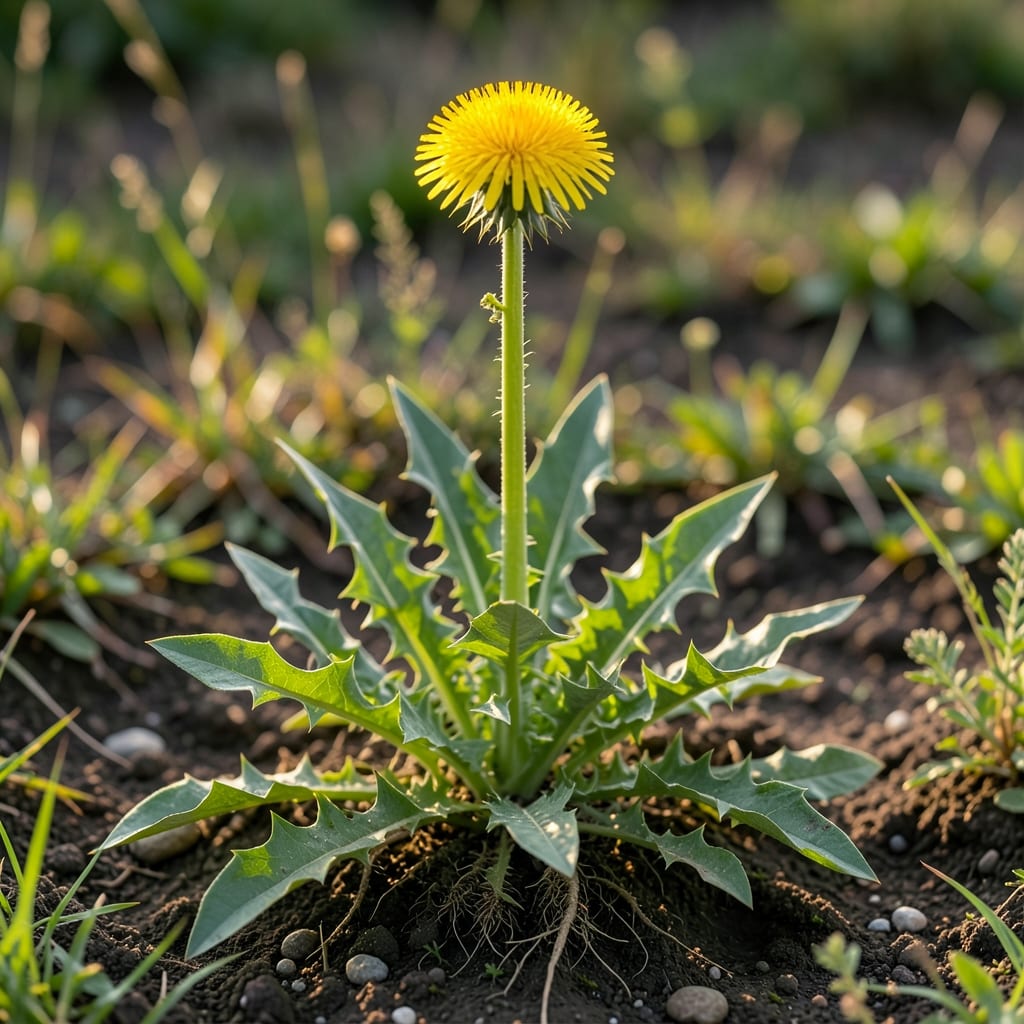
If you’ve ever wondered just how tall that stubborn dandelion 🌼 in your yard can grow, you’ll be surprised to learn they can reach heights of up to 2 feet—or even more under perfect conditions. What starts as a tiny green rosette can transform into a towering, golden-bloomed plant that outshines many garden favorites.
But here’s the twist: their height isn’t just about luck. Soil quality, sunlight exposure, and even climate play a huge role in whether your dandelions stay short or shoot for the sky. In USDA Zone 6a, where they thrive year after year, these hardy plants can grow taller than you’d expect, especially when they’re not competing with other vegetation.
Whether you’re curious about their natural growth patterns or looking to manage them in your garden, understanding these factors is key. I’ll break down exactly what influences their height—and how you can work with (or against) it to get the results you want.
From wild patches to cultivated beds, dandelions prove they’re more than just weeds—they’re resilient survivors with some serious growing power. Let’s explore why some reach sky-high while others stay close to the ground.

Natural height limits of wild dandelions in different environments
Wild dandelions (Taraxacum officinale) are masters of adaptability, and their height can vary dramatically depending on where they grow. In open fields with rich soil and full sunlight, they often reach their maximum height of 18 to 24 inches. But in shady or compacted soil, they may stay as short as 6 to 12 inches, forming dense rosettes instead.
Climate plays a huge role too. In cooler alpine regions, dandelions grow taller and leaner to reach sunlight, sometimes exceeding 3 feet under ideal conditions. Meanwhile, in hot, dry climates, they stay shorter to conserve moisture, rarely surpassing 1 foot. Even the USDA Zone 6a climate—where they thrive—can produce variations based on seasonal rainfall and temperature swings.
Soil composition is another critical factor. Dandelions thrive in disturbed or poor-quality soil, where competition is minimal. In nutrient-rich gardens, they might grow 20-30% taller than in wild patches. Their deep, taproots allow them to access water and nutrients deep underground, fueling rapid vertical growth when conditions are right.
The presence of competition also affects height. In lawns or gardens, dandelions often grow shorter because they’re constantly mowed or trimmed. But left undisturbed, they’ll stretch toward the sun, sometimes forming multiple flower stalks that add to their towering appearance.
Here’s how their height breaks down in different environments:
| Environment | Typical Height | Growth Factors |
|---|---|---|
| Open Fields | 18-24 inches | Full sun, rich soil, no competition |
| Alpine Regions | Up to 3 feet | Cooler temps, lean growth habit |
| Lawns/Gardens | 6-12 inches | Frequent mowing, competition |
| Dry Climates | 6-10 inches | Water scarcity, compacted soil |
| Poor Soil | 12-18 inches | Deep taproots, low nutrients |
One fascinating quirk is how dandelions adjust their growth based on light availability. In shaded areas, they grow taller and thinner to reach sunlight, while in sunny spots, they spread wider with shorter stems. This adaptability is why they’re so hardy—they’ll thrive almost anywhere, from city sidewalks to rural fields.
If you’ve ever noticed dandelions growing taller in spring than in summer, it’s because cooler temperatures and consistent rainfall create perfect conditions for rapid growth. In contrast, drought or extreme heat can stunt their development, keeping them low to the ground.
Understanding these natural variations helps explain why some dandelions seem to pop up like weeds while others grow into striking, golden sentinels. Their height isn’t just random—it’s a response to their environment, proving that even "weeds" have their own survival strategies.
Next, we’ll explore how to control or encourage this growth in your own garden, whether you’re trying to suppress them or harness their height for beauty or harvest.
Natural height limits of wild dandelions in different environments
Wild dandelions (Taraxacum officinale) are masters of adaptability, and their height can vary dramatically depending on where they grow. In open fields with plenty of sunlight, they often reach their full potential of 18 to 24 inches tall, but in shady or crowded areas, they may stay as short as 6 to 12 inches. The secret lies in their ability to stretch toward the light, a behavior called phototropism.
Climate also plays a huge role. In cooler, alpine regions, dandelions might grow taller and leaner to capture more sunlight, while in hot, dry climates, they often stay shorter to conserve water. Even the soil composition matters—dandelions thrive in poor, compacted, or disturbed soil, where competition is minimal, allowing them to focus energy on vertical growth.
Here’s the fascinating part: dandelions grown in ideal conditions—like well-drained soil, full sun, and minimal competition—can occasionally surpass 2 feet, especially in their second year. Their deep, taproot system lets them access nutrients deep underground, fueling rapid growth when conditions are right.
| Environment | Typical Height | Growth Factors |
|---|---|---|
| Open Meadows | 18–24 inches | Full sun, loose soil, no competition |
| Shady Gardens | 6–12 inches | Limited light, crowded roots |
| Alpine Regions | 20–28 inches | Cooler temps, lean growth habit |
| Urban Sidewalks | 8–15 inches | Compacted soil, stress from pavement |
One common misconception is that dandelions grow taller in rich soil, but they actually prefer low-nutrient conditions. Too much fertilizer can stunt their growth or make them leggy and weak. Instead, they thrive in disturbed or poor soil, where other plants struggle to compete. This adaptability is why they pop up everywhere—from lawns to cracks in pavement.
If you’ve ever noticed dandelions growing taller in spring than in summer, it’s because they prioritize flowering and seed production when days are longer. Their height is directly tied to their reproductive cycle—taller stalks mean more exposure for their bright yellow blooms, which attract pollinators. In USDA Zone 6a, where frost-free seasons are moderate, they often reach their peak height in late spring to early summer before going dormant.
The next time you spot a dandelion reaching skyward, remember: it’s not just luck—it’s science. Their height is a survival strategy, shaped by sunlight, soil, and competition. And if you’re curious about how to control or encourage their growth in your own garden, stay tuned for practical tips in the next section! 🌱