
Size
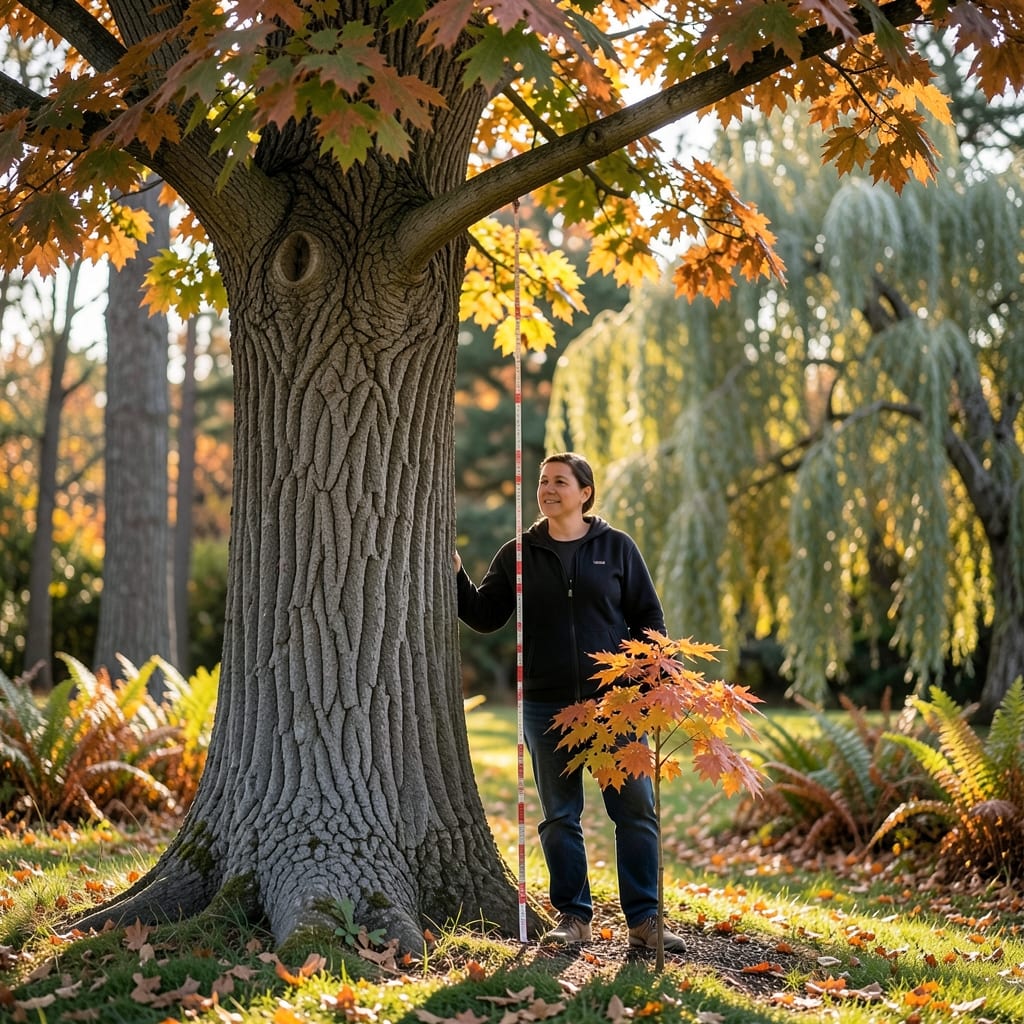
If you've ever wondered just how tall maple trees can grow, you're not alone—this question tops the minds of gardeners and landscapers alike. Some varieties reach staggering heights, while others stay compact enough for even the smallest yards. The difference often comes down to species, soil, and a little patience.
Picture this: a sugar maple standing 100 feet tall, its branches creating a canopy that could easily shade an entire backyard. But not all maples grow this way—Japanese maples, for example, top out around 25 feet, making them perfect for patios or small gardens. The key to choosing the right tree lies in understanding these dramatic differences.
In this guide, I'll break down exactly how tall each major maple species can grow, from the towering giants to the dwarf varieties that fit cozy spaces. You'll also discover how climate, soil, and care can push a tree toward its full potential—or hold it back. Let's explore the sky-high possibilities.
Whether you're planning a shade masterpiece or a delicate ornamental feature, knowing your maple's height potential is the first step. By the end, you'll have the insights to pick the perfect tree for your vision—no matter how big (or small) you dream.


Maple tree height by species: from dwarf varieties to towering giants
When planning your landscape, knowing exactly how tall maple trees can grow is crucial. Some species stretch toward the sky like skyscrapers, while others remain manageable for smaller spaces. The sugar maple, for example, often reaches 80-100 feet at maturity, while the Japanese maple stays a modest 15-25 feet. These differences aren't just about aesthetics—they impact everything from pruning needs to property boundaries.
Let's dive into the specifics. The tallest maples like the sugar maple and red maple dominate landscapes, while dwarf varieties like 'Bloodgood' Japanese maple offer elegant, space-saving alternatives. Understanding these height ranges helps you avoid costly mistakes, like planting a giant near power lines or a patio-sized tree where it'll be overshadowed by neighbors' homes.
Below, I've compiled a detailed comparison of 10+ maple species, including their mature heights, growth rates, and ideal conditions. This table will help you visualize which trees fit your space—and which might need a second thought.
| Species | Mature Height | Growth Rate | Best For | Notes |
|---|---|---|---|---|
| Sugar Maple | 80-100 ft | Moderate (1-2 ft/year) | Large yards, shade trees | Slow to establish; long-lived |
| Red Maple | 60-75 ft | Fast (2-3 ft/year) | Urban landscapes, wildlife | Adaptable to wet soils |
| Silver Maple | 70-90 ft | Very fast (3-4 ft/year) | Quick shade, erosion control | Weak wood; prone to storms |
| Japanese Maple | 15-25 ft | Slow (6-12 in/year) | Patios, bonsai, small gardens | Drought-sensitive; colorful foliage |
| Norway Maple | 50-70 ft | Moderate (1-2 ft/year) | Shade, urban streets | Invasive roots; aggressive |
| Boxelder Maple | 30-50 ft | Fast (2-3 ft/year) | Wildlife, small lots | Messy seed pods |
| Dwarf Maple (e.g., 'Ember Glow') | 10-15 ft | Slow (6 in/year) | Containers, bonsai | Cold-hardy; compact |
| Black Maple | 70-90 ft |
How to choose a maple tree based on height and landscape needsSelecting the right maple tree for your space starts with matching its mature height to your landscape goals. A 100-foot sugar maple won't fit in a city courtyard, just as a 15-foot Japanese maple won't provide the shade you need for a large backyard. Let’s break down how to pick the perfect tree based on three key scenarios: urban gardens, rural properties, and container gardening. For urban gardens, where space is limited, focus on dwarf or semi-dwarf varieties like the 'Ember Glow' maple (10–15 ft) or 'Bloodgood' Japanese maple (15–25 ft). These trees thrive in containers or small yards, offering stunning foliage without overwhelming your space. Their compact size also makes them ideal for patios, balconies, or even bonsai projects. If you have a rural property or large yard, taller maples like the sugar maple (80–100 ft) or red maple (60–75 ft) will create the dramatic shade and wildlife habitat you’re after. Just remember: these giants need ample room to spread their roots and branches—aim for at least 30–50 feet of clearance from structures, power lines, and other trees.
Don’t overlook root spread, which can be just as critical as height. Many maples, especially silver and Norway maples, develop extensive root systems that can damage sidewalks, driveways, or septic systems. If you’re planting near hardscapes, consider root-prone varieties like the red maple or opt for container-grown trees to control their spread. Pro tip: Always check your local climate zone and soil type before planting. Maple trees thrive in USDA zones 3–9, but their growth rate and mature height can vary based on these factors. For example, a sugar maple in a cooler, northern climate may grow slightly taller than one in a warmer, southern region due to longer growing seasons. By matching your maple’s height to your space and needs, you’ll create a landscape that’s both beautiful and practical—without the headaches of overgrown trees or underwhelming shade. Happy planting! 🌿 |