
Trees
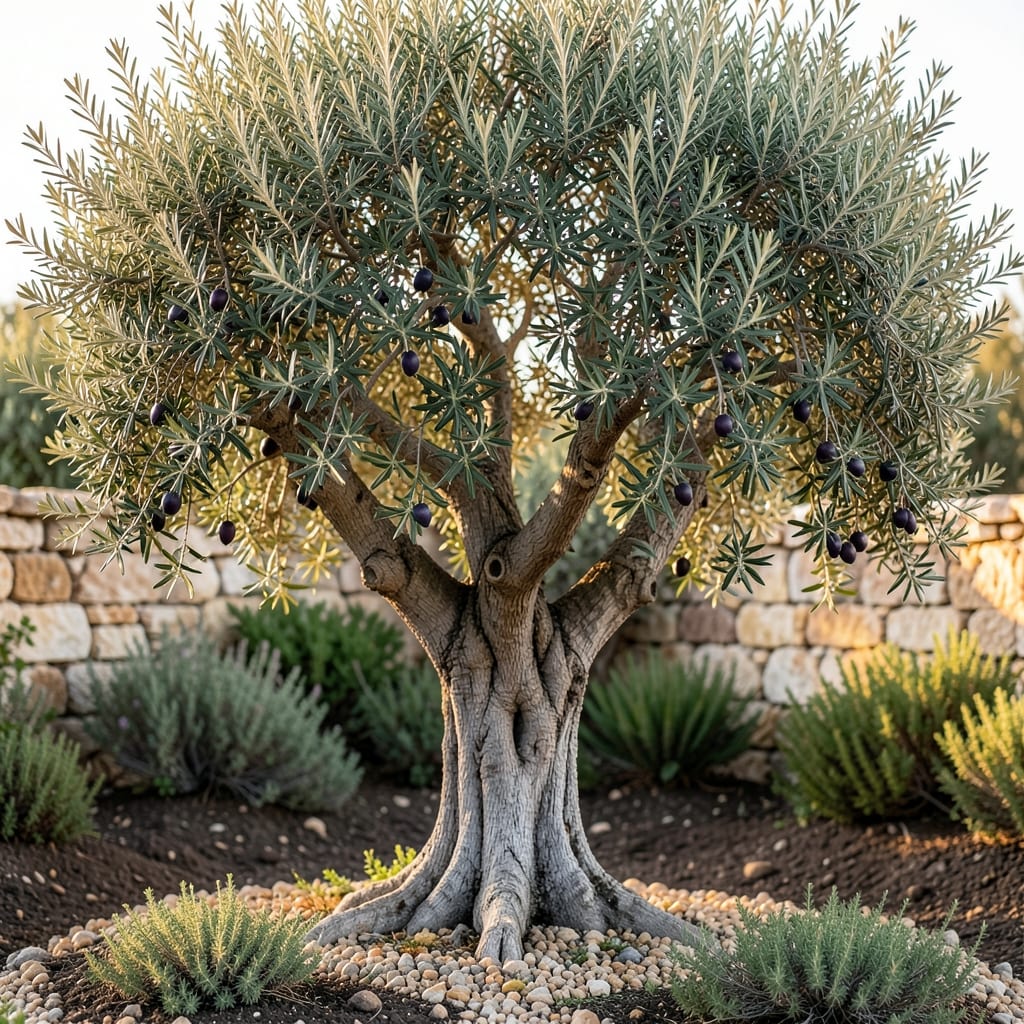
If you’ve ever wondered how tall can olive trees grow, the answer might surprise you—these resilient 🫒 trees can stretch from waist-high shrubs to towering giants over 50 feet tall, depending on the variety and care you provide.
Picture this: a Mediterranean landscape dotted with ancient olive trees, their gnarled branches reaching toward the sky, while others thrive as compact patio plants in containers. The difference? It all comes down to the variety you choose and how you nurture it.
Whether you're dreaming of a full-sized grove or just want a small tree for your balcony, understanding these growth patterns is the key to getting the perfect olive tree for your space. Let’s break down the heights you can expect and how to shape your tree’s future.
From dwarf varieties that stay under 15 feet to majestic standards that dominate the landscape, we’ll explore everything you need to know to grow an olive tree that fits your vision—no matter how big (or small) you’re imagining.


Olive tree height by variety: dwarf to monumental sizes
Olive trees are one of nature’s most versatile plants, offering a stunning range of mature heights depending on the variety you choose. From dwarf varieties perfect for containers to ancient grove giants reaching over 50 feet, the possibilities are endless. The key to getting the right size lies in selecting the correct cultivar and understanding their growth habits.
For example, the Arbequina variety typically stays between 10-15 feet tall, making it ideal for small gardens or large containers. In contrast, the Frantoio or Leccino varieties can soar to 30-50 feet when grown in optimal conditions. Even within the same species, Olea europaea, the differences in height are dramatic.
Let’s explore the most popular olive tree varieties and their mature heights, so you can choose the perfect fit for your space and vision. Whether you’re aiming for a balcony-sized tree or a landscape centerpiece, this guide will help you make an informed decision.
🌱
| Variety | Mature Height | Growth Rate | Best For |
|---|---|---|---|
| Arbequina | 10–15 ft | Slow to moderate | Containers, small gardens, table olives |
| Frantoio | 30–50 ft | Moderate to fast | Landscaping, large estates, oil production |
| Leccino | 25–40 ft | Moderate | Traditional groves, medium-sized yards |
| Kalamata | 20–30 ft | Slow | Ornamental, table olives, coastal gardens |
| Mission | 15–25 ft | Moderate | Urban gardens, dual-purpose (fruit & shade) |
| Little Ollie (Dwarf) | 6–10 ft | Slow | Patios, balconies, bonsai-style |
If you’re limited on space but still want to grow olives, dwarf varieties like the Arbequina or Little Ollie are excellent choices. These trees can thrive in large containers, making them perfect for urban gardens, patios, or even indoor growing with sufficient light. Their compact size also means they produce fruit earlier, often within 3-5 years of planting.
For those with ample space, varieties like Frantoio or Leccino will reward you with impressive heights and abundant harvests. These trees are staples in traditional Mediterranean groves and can live for centuries, becoming living landmarks in your landscape. Their broad canopies also provide excellent shade, making them a practical addition to larger properties.
One thing to consider is the growth rate of each variety. While some, like the Frantoio, grow relatively quickly, others, such as the Kalamata, take their time to mature. This means if you’re impatient for fruit or shade, faster-growing varieties might be the way to go. However, slower growers often produce higher-quality olives and are more disease-resistant.
🪴
Choosing the right variety isn’t just about height—it’s also about the type of olives you want to grow. For example, Arbequina olives are prized for their small size and buttery texture, making them ideal for table olives. Meanwhile, Frantoio olives are favored for their high oil content, perfect for pressing into premium olive oil. Understanding these nuances will help you select a tree that aligns with your goals, whether it’s culinary, ornamental, or practical.
Finally, remember that even within the same variety, the final height of your olive tree can be influenced by pruning practices and growing conditions. With the right care, you can shape your tree to fit your space perfectly, whether you’re aiming for a tiny bonsai-style tree or a towering
Factors that influence olive tree height: climate, soil, and care
Olive trees thrive in Mediterranean climates, where warm days, cool nights, and minimal frost create ideal growing conditions. In these zones, standard varieties can reach 30-50 feet tall, while in cooler climates, growth slows significantly. Even with protection, trees in USDA Zones 7-8 may stay shorter, rarely exceeding 20 feet without careful cultivation.
The soil type also plays a critical role. Olive trees prefer well-draining, slightly alkaline soil (pH 6.0-8.0). Heavy clay or waterlogged soil restricts root growth, limiting height potential. Amending soil with sand or compost improves drainage and encourages stronger, taller growth in younger trees.
🌱 Watering habits directly impact height. While olive trees are drought-tolerant once established, consistent moisture during the first 2-3 years promotes rapid vertical growth. Overwatering, however, can stunt growth by suffocating roots. Aim for deep, infrequent watering—about 1-2 gallons per week for young trees—to fuel upward expansion.
🌱 Key Takeaways for Olive Tree Growth
- Climate: Mediterranean conditions (Zones 8-10) maximize height; cooler zones limit growth.
- Soil: Well-draining, alkaline soil (pH 6.0-8.0) supports taller growth.
- Water: Deep watering in early growth stages fuels height; drought tolerance increases with age.
- Sunlight: 6+ hours of full sun daily is non-negotiable for optimal growth.
- Pruning: Strategic pruning can reduce height by up to 50% if done annually.
Sunlight is another non-negotiable factor. Olive trees demand 6+ hours of direct sun daily to reach their full height potential. In partial shade, growth slows, and branches become sparse. If growing in containers, place your tree near a south-facing window or supplement with grow lights to maintain vigor.
Finally, nutrient availability shapes height. Young olive trees benefit from balanced fertilization (10-10-10 NPK) every 4-6 weeks during spring and summer. Avoid high-nitrogen fertilizers, which promote leafy growth at the expense of height. Instead, focus on phosphorus and potassium to strengthen structural development.
By aligning these factors—climate, soil, water, sun, and nutrients—you can steer your olive tree toward its maximum height potential or keep it compact, depending on your space and goals. Even a 50-foot giant starts as a tiny seedling; it’s all in how you nurture it along the way.