
Trees
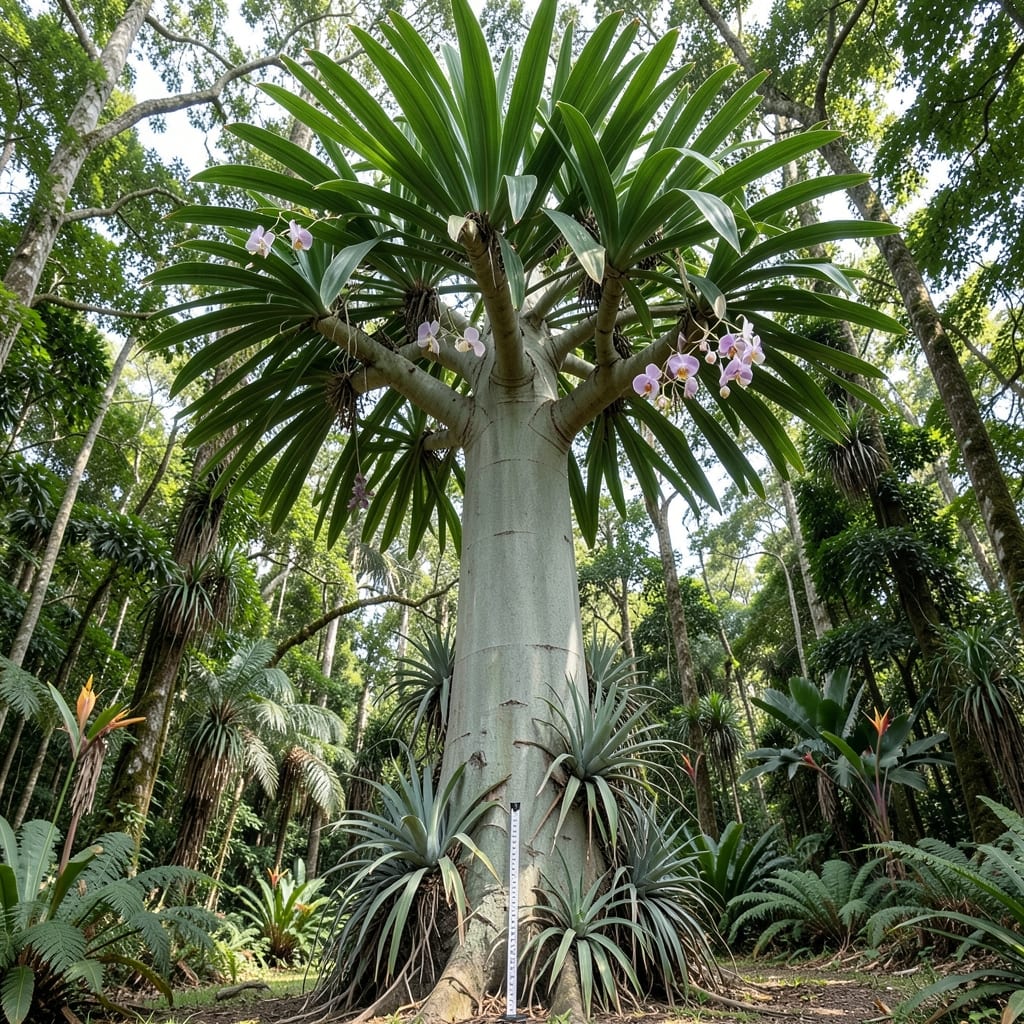
If you’ve ever stared up at a 🌳 towering rainforest tree and wondered how tall these giants can grow, you’re not alone. These skyscrapers of the jungle don’t just grow—they defy expectations, stretching toward the sky with heights that dwarf even the tallest buildings. But what makes them grow so massive, and could you ever cultivate one in your own backyard?
The answer lies in their unique adaptations and the perfect storm of conditions in tropical rainforests. From the kapok tree’s 300-foot reach to the emerald tree’s 330-foot crown, these species have evolved to thrive where sunlight, humidity, and nutrient-rich soil create an ideal growing environment. Understanding these factors is the key to unlocking their growth secrets—and maybe even bringing a piece of the rainforest to your garden.
In this guide, I’ll break down exactly how tall rainforest trees can grow, the science behind their towering stature, and whether it’s possible to nurture one in non-tropical climates. Whether you’re a plant enthusiast or just curious about nature’s skyscrapers, you’ll discover the surprising ways these giants reach for the sky—and how you might just grow one of your own.
So, let’s dive into the world of rainforest trees and explore the mind-blowing heights they achieve, along with the practical tips to help you cultivate these jungle giants—no matter where you live.


Record-breaking rainforest tree heights: the tallest species and their growth secrets
When you think of tall trees, your mind might first jump to coast redwoods in California or eucalyptus giants in Australia. But rainforest trees take the crown—literally. Some species in tropical rainforests grow taller than 10-story buildings, with heights that seem almost impossible for plants. The emerald tree (Dysoxylum spectabile) holds the record at a staggering 330 feet, while the kapok tree (Ceiba pentandra) can reach up to 200 feet with its massive buttress roots.
These trees don’t just grow tall—they evolve to dominate their environment. Their vascular systems are designed to pump water and nutrients from deep roots to towering canopies, while their leaves maximize sunlight capture in dense forests. Understanding how these giants achieve such heights reveals the secrets of their survival—and maybe even how you can nurture them in your own garden.
Here’s a breakdown of the tallest rainforest trees and the science behind their skyward growth:
The emerald tree isn’t just tall—it’s a growth machine. In ideal conditions, it can add 3-5 feet per year, thanks to its efficient vascular system. This system acts like a highway for nutrients, transporting water from deep roots to leaves at the top of its canopy. Without this adaptation, the tree would struggle to support its own weight, let alone compete for sunlight in a dense rainforest.
Another key to their height is their root structure. Unlike many trees, rainforest giants often have shallow, wide roots that spread out to stabilize the tree in nutrient-rich topsoil. The kapok tree, for example, develops buttress roots that flare outward like skirts, providing stability in soft, wet soil. These roots also help the tree compete for sunlight by lifting the trunk higher above the forest floor.
But here’s the catch: not all rainforest trees grow this tall. Many species in the understory remain smaller than 30 feet because they’ve adapted to thrive in low-light conditions. Only the emergent layer trees—those that break through the canopy—reach these staggering heights. If you’re dreaming of growing a rainforest tree at home, you’ll need to consider both the species’ natural height and your garden’s space and climate.
For instance, while a 330-foot emerald tree is out of reach for most home gardens, smaller tropical trees like avocado or mango can thrive in containers or warm climates. These species share the same growth adaptations—like fast wood production and efficient water transport—but on a more manageable scale. The key is understanding how these trees compete for resources in their natural habitat and replicating those conditions as closely as possible.
So, if you’re ready to bring a piece of the rainforest to your backyard, start by choosing a species that fits your space. Even a 10-foot mango tree can feel like a jungle giant in your garden—and with the right care, it might just reach for the sky.
How rainforest conditions enable extreme tree growth: sunlight, soil, and survival
Rainforest trees don’t just grow tall—they thrive in conditions that feel almost magical to gardeners in temperate climates. The perfect storm of high humidity, nutrient-rich soil, and year-round warmth creates an environment where trees can grow 3-5 feet per year without seasonal slowdowns. Unlike trees in temperate zones, which often pause growth in winter, rainforest trees grow continuously, fueled by the rainforest’s uninterrupted energy supply.
At the heart of this growth explosion is the rainforest’s canopy structure. The emergent layer, where the tallest trees like the emerald and kapok thrive, receives direct sunlight while filtering it for the understory below. This creates a competitive advantage for trees that can grow the fastest—because the race for sunlight is what drives their height. In contrast, temperate forests often have shorter growing seasons and less consistent sunlight, limiting tree growth.
The rainforest’s nutrient-rich soil is another game-changer. Unlike many temperate soils, which are often depleted of nutrients, rainforest soil is packed with decaying organic matter and supported by mycorrhizal fungi. These fungi form symbiotic relationships with tree roots, helping them absorb water and nutrients more efficiently. This partnership allows rainforest trees to grow faster and taller than their temperate counterparts, which often struggle in nutrient-poor soils.
But it’s not just the soil and sunlight—it’s the lack of seasonal stress. In temperate climates, trees face winter dormancy, where growth slows or stops entirely. Rainforest trees, however, experience no such breaks. Their continuous growth cycle means they can devote more energy to height and canopy expansion rather than surviving harsh winters. This is why a 330-foot emerald tree can achieve its height in just 50-70 years, while a coast redwood might take 600+ years to reach similar proportions.
If you’re dreaming of growing a rainforest tree at home, replicating these conditions is key. While you can’t recreate the humidity and year-round warmth of a tropical rainforest, you can mimic some aspects—like nutrient-rich soil and consistent moisture. For example, using a humidity tray or mist system can help tropical trees thrive in drier climates. Similarly, container gardening with well-draining, organic soil can provide the nutrients these trees crave.
So, while your backyard might never host a 300-foot giant, understanding these conditions can help you grow healthier, faster-growing tropical trees—like a 15-foot mango tree or a 20-foot avocado. The secret isn’t just in the tree itself, but in the perfect storm of conditions that allow it to reach for the sky.