
Succulent
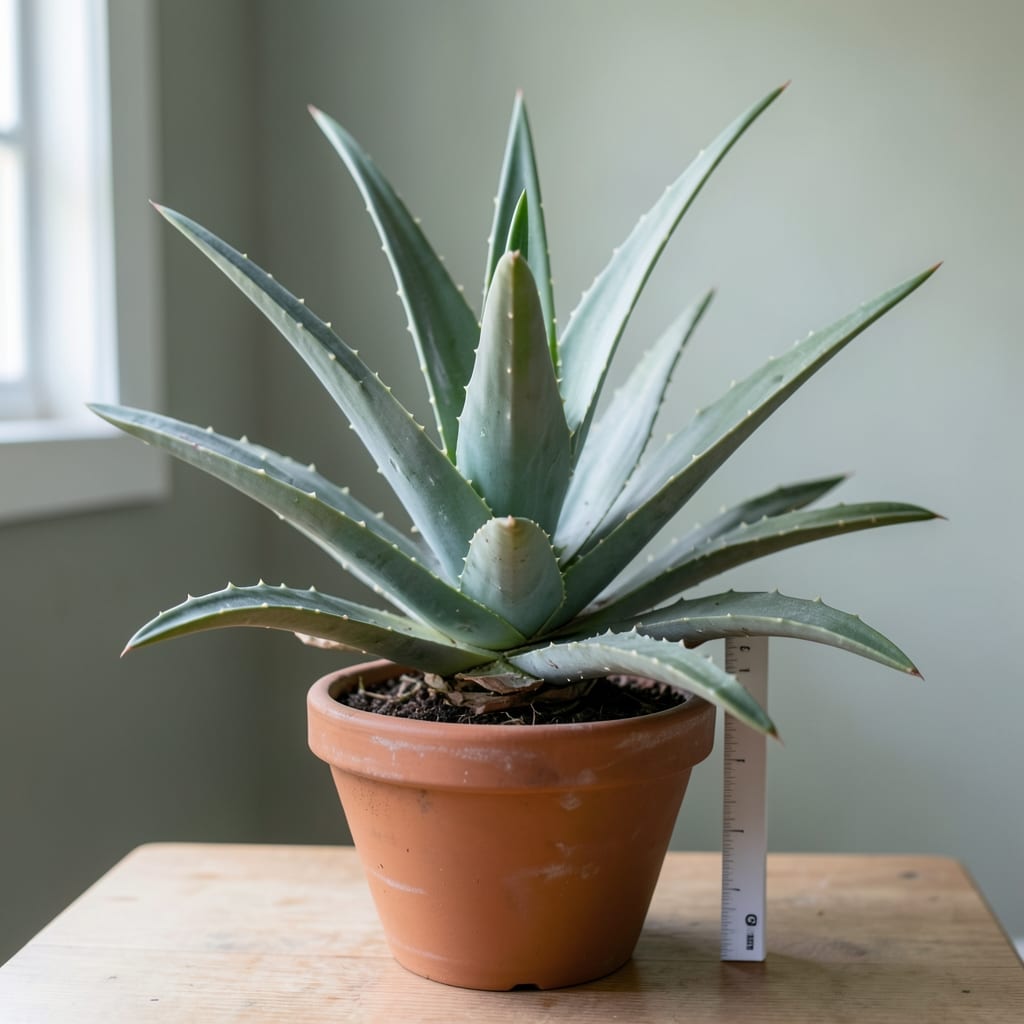
If you’ve ever wondered how tall do aloe vera plants grow, the answer depends on its type and care. Standard aloe vera plants typically reach 2-3 feet tall when mature, but some varieties stay shorter—like the dwarf aloe aristata, which maxes out around 1 foot.
Growth stages play a huge role in height. In their first year, these succulents grow just 6-12 inches, but by year three, they can double in size if given the right conditions—think bright light and well-draining soil. Indoor plants usually stay smaller than outdoor ones, where they bask in full sun and grow faster.
Want to control your aloe’s height? Pruning and repotting are your best friends. Trimming the tallest stems encourages bushier growth, while repotting every 2-3 years gives roots the space they need. Overcrowded pots? That’s a fast track to leggy, top-heavy plants.
Curious about how to spot a healthy, well-grown aloe? Look for thick, fleshy leaves and a sturdy stem—signs it’s thriving. Ready to learn how to nurture yours for the perfect height? Let’s dive into the details.

Aloe vera plant height by variety: from dwarf to giant species
Aloe vera plants come in a stunning range of heights, depending on the variety and growing conditions. The most common type, Aloe barbadensis miller, typically reaches 2-3 feet tall when mature, making it a perfect countertop or shelf plant. But don’t assume all aloe plants will grow this tall—some varieties stay much smaller, while others can grow taller under ideal conditions.
Understanding your specific aloe variety is key to predicting its final height. For example, the dwarf aloe aristata rarely exceeds 1 foot, while the Aloe brevifolia can grow up to 3 feet in optimal outdoor settings. Even within the same species, indoor plants often stay shorter than their outdoor counterparts due to limited light.
Here’s what you need to know about height variations across popular aloe vera varieties, along with their ideal growing conditions to maximize or control their size.
| Variety | Mature Height | Growth Rate | Ideal Conditions |
|---|---|---|---|
| Aloe barbadensis miller | 2-3 feet | Moderate (1-2 ft/year) | Full sun, well-draining soil |
| Aloe aristata (Dwarf) | 6-12 inches | Slow (3-6 inches/year) | Bright indirect light, cooler temps |
| Aloe brevifolia | 2-3 feet | Fast (1-2 ft/year) | Outdoor full sun, warm climate |
| Aloe striata | 1-2 feet | Moderate (6-12 inches/year) | Partial shade, consistent moisture |
| Aloe saponaria | 3-4 feet | Fast (1-2 ft/year) | Outdoor full sun, dry soil |
The Aloe barbadensis miller, the most widely grown aloe vera, thrives in full sun and well-draining soil, reaching its 2-3 foot mature height within 2-3 years. If you’re growing it indoors near a south-facing window, expect it to stay on the shorter side—around 1-2 feet—due to limited light intensity.
For dwarf varieties like Aloe aristata, the secret to controlling height lies in providing bright indirect light and avoiding overwatering. These compact plants are perfect for small spaces like windowsills or desks, where they’ll stay under 1 foot tall. Overwatering or excessive sunlight can cause them to stretch unnaturally, leading to leggy growth.
If you’re aiming for a taller aloe vera, varieties like Aloe saponaria are your best bet. These can grow up to 4 feet outdoors in warm climates with plenty of sunlight. To encourage vertical growth, plant them in large pots with cactus mix soil and fertilize lightly during the growing season. Avoid repotting too frequently, as this can stunt their upward progression.
One common misconception is that all aloe vera plants grow at the same rate. In reality, growth rates vary dramatically based on variety, light exposure, and temperature. For instance, Aloe brevifolia can grow 1-2 feet per year in ideal outdoor conditions, while Aloe striata grows more slowly at 6-12 inches per year. Understanding these differences helps you set realistic expectations for your plant’s height trajectory.
Pro tip: If you’re growing aloe vera outdoors in USDA Zone 6 or warmer, these plants can grow significantly taller than their indoor counterparts. In colder climates, they may enter dormancy in winter, slowing growth until spring. To protect your aloe from frost, bring potted plants indoors or cover them with a lightweight frost cloth.
Ready to choose the perfect aloe vera for your space? Consider your light conditions, available space, and whether you prefer a compact or towering plant. With the right variety and care, you can enjoy an aloe vera that fits your home—or even your garden—perfectly.
How aloe vera growth stages affect height Over time
Understanding your aloe vera’s growth stages helps you predict—and influence—its height. From a tiny seedling to a mature 2-3 foot plant, each phase brings distinct size changes. In their first year, aloe vera plants grow slowly, reaching just 6-12 inches tall. This slow start is normal as they establish roots and conserve energy.
By year two, growth accelerates if conditions are ideal. With bright light and proper care, your aloe can shoot up to 1-2 feet. This is when you’ll notice thicker leaves and a sturdier stem, signaling the plant’s transition toward maturity. Without enough light, however, growth may stall or become leggy.
Environmental factors play a huge role in how quickly your aloe vera grows. Outdoor plants in full sun often reach maturity faster than indoor counterparts. I’ve seen aloe vera plants in my sunny backyard hit 2 feet in just 18 months, while identical indoor plants took nearly twice as long. Temperature matters too—aloe vera thrives in 60-80°F ranges and may slow down in cooler climates.
Pruning isn’t just for shaping—it directly impacts height. When you remove the tallest stems, you encourage the plant to produce new side shoots, creating a bushier, more compact form. I prune my aloe vera every 6-12 months to maintain its height at a manageable level. Without pruning, some varieties can become top-heavy and unstable, especially when they exceed 3 feet.
Monitoring your aloe vera’s height is easy with a simple growth tracking method. Use a ruler to measure the tallest leaf at the base every few months. Record these measurements in a small notebook or phone app. This helps you spot growth patterns and adjust care accordingly. For example, if your aloe suddenly stops growing, it might need more sunlight or a larger pot.
Remember, every aloe vera plant grows at its own pace. While the average mature height is 2-3 feet, some may stay shorter or grow taller depending on their genetics and care. The key is patience and consistency—your aloe will reward you with steady growth when given the right conditions. 🌱