
Trees
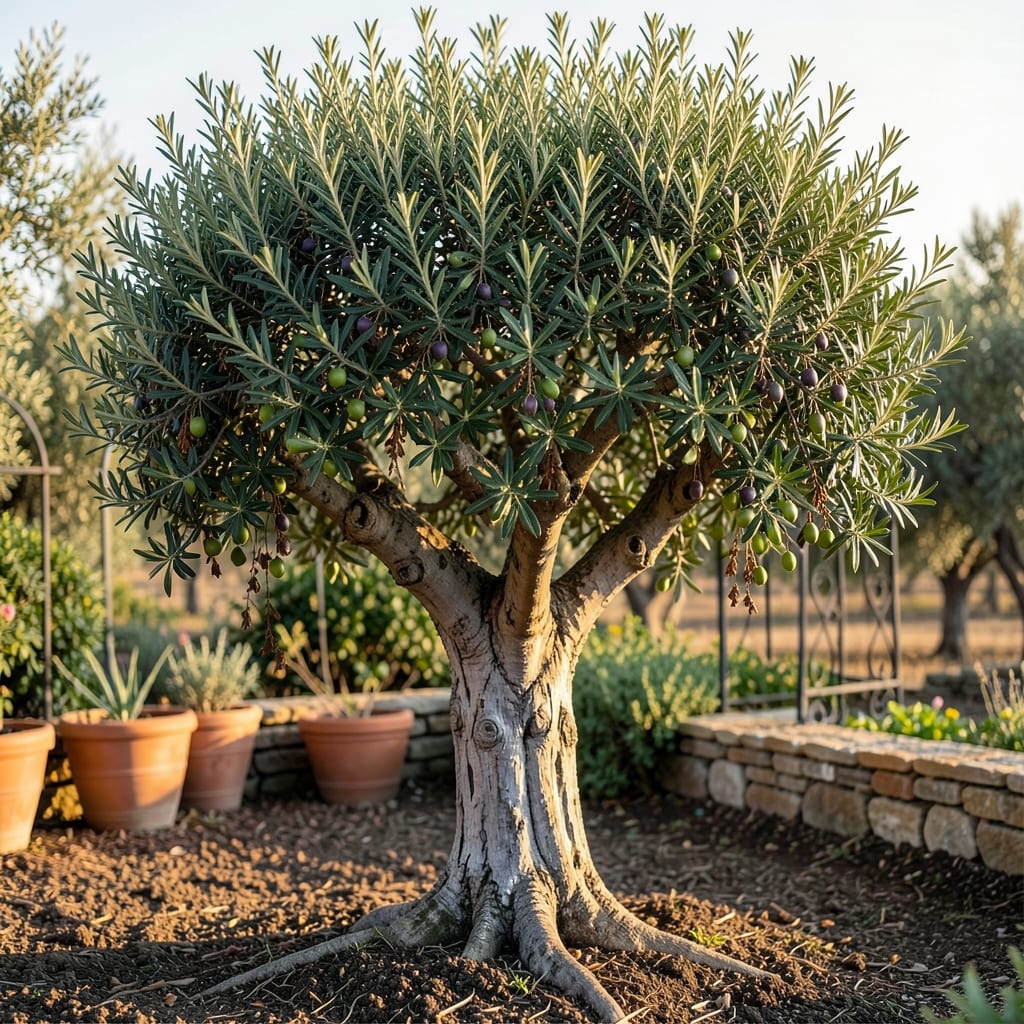
If you're wondering how tall do Arbequina olive trees grow, you might be surprised to learn these Mediterranean favorites can fit perfectly in small spaces—even urban balconies—with the right care. The 🫒 Arbequina Olive Tree typically reaches 6 to 12 feet at maturity, but dwarf varieties stay between 4 to 6 feet, making them ideal for container gardening.
What sets Arbequina apart is its adaptability—whether you're growing it in a Mediterranean climate or a 7b-10a USDA zone**, these trees thrive with minimal fuss. Their compact growth habit means you can enjoy homegrown olives without sacrificing yard space, and smart pruning can keep them even smaller if needed.
But here's the secret: container-growing Arbequinas requires the right approach. With proper soil, sunlight, and pruning techniques, you can maintain a manageable height while still enjoying a bountiful harvest. Let's break down exactly how to control their size and maximize your space.
Whether you're a city dweller with a tiny patio or a rural gardener with limited room, these tips will help you grow a healthy, productive Arbequina that fits your lifestyle. Ready to turn your olive dreams into reality?

Arbequina olive tree height guide: full-grown sizes and growth stages
Understanding how tall Arbequina olive trees grow is the first step to planning your garden or balcony setup. These trees typically reach 6 to 12 feet at maturity when grown in the ground, but their growth rate and final height depend heavily on your climate and care routine. In ideal Mediterranean conditions with full sun, they can grow 12 to 24 inches per year during their first few years.
For container-grown Arbequinas, expect a 4 to 6 foot maximum height if you use dwarf varieties or implement proper pruning techniques. The key difference lies in root restriction and regular pruning—both of which can significantly stunt vertical growth while maintaining a healthy, productive tree. This makes them perfect for urban gardens or small patios where space is limited.
Here’s how their growth breaks down by stage: in the first year, you’ll see 1 to 2 feet of growth, followed by 3 to 4 feet in year two, and 5 to 6 feet by year three. After that, growth slows, and the tree focuses more on fruit production than height increases. Proper soil drainage and sunlight exposure are critical to achieving these milestones.
| Growth Stage | Height Range | Annual Growth Rate | Key Care Tips |
|---|---|---|---|
| Year 1 | 1–2 ft | 12–24 in | Well-draining soil, full sun |
| Year 2 | 3–4 ft | 12–18 in | Prune to shape, fertilize lightly |
| Year 3+ | 5–12 ft | 6–12 in | Regular pruning, deep watering |
| Dwarf Varieties | 4–6 ft | 6–12 in | Container growth, root restriction |
Your USDA zone plays a significant role in height control. In zones 7b–10a, Arbequinas grow more vigorously due to longer growing seasons, while cooler zones may see slower growth. If you’re in a container, choose a pot with at least 15 gallons of capacity to accommodate root growth without restricting height too severely.
Pruning is your best tool for managing height. By removing 1/3 of new growth in late winter or early spring, you encourage bushier growth rather than vertical stretching. This technique is especially useful for container-grown trees, where space is limited. Just avoid heavy pruning in the fall, as the tree needs time to harden off before winter.
Another factor affecting height is watering habits. Overwatering can lead to leggy growth as the tree stretches toward light, while consistent deep watering promotes a sturdy, compact form. Pair this with balanced fertilization (5-5-5 NPK ratio) applied every 4–6 weeks during the growing season to support healthy, controlled growth.
For those in urban environments, microclimates can also influence height. Trees near heat-absorbing surfaces like pavement may grow taller and faster, while those in cooler microclimates will grow more slowly. Monitor your tree’s response to its environment and adjust care accordingly to keep it within your desired height range.
One common misconception is that smaller trees produce fewer olives. In reality, dwarf Arbequinas often yield just as well as their taller counterparts, provided they receive adequate care. The key is to balance pruning, sunlight, and nutrients to ensure the tree focuses energy on fruit production rather than excessive height growth.
If you’re still unsure about managing height, start with a dwarf variety like ‘Arbequina Compacta’ or ‘Little Ollie.’ These cultivars are bred specifically for smaller spaces and often stay under 5 feet with minimal effort. Pair this with a 15-gallon container and regular pruning, and you’ll have a perfectly sized olive tree for your patio or balcony.
Dwarf Arbequina olive trees: best varieties for small spaces and urban gardens
If you're limited by space but still want to grow Arbequina olives, dwarf varieties are your best bet. These specially bred cultivars stay between 4 to 6 feet tall—perfect for containers, balconies, or even sunny windowsills. The key difference from standard Arbequinas lies in their genetic growth restrictions and response to root confinement, making them ideal for urban gardeners.
One of the most popular dwarf options is 'Arbequina Compacta', which typically maxes out at 5 feet with proper care. Another excellent choice is 'Little Ollie', a patented dwarf variety that stays under 4 feet while still producing high-quality olives. Both varieties maintain the sweet, buttery flavor of traditional Arbequinas but in a fraction of the space.
Here’s how these dwarf varieties compare to standard Arbequinas in terms of height, yield, and care requirements:
| Variety | Mature Height | Yield Potential | Container Size | Best For |
|---|---|---|---|---|
| Standard Arbequina | 6–12 ft | High (large trees) | In-ground or 20+ gal | Yards, orchards |
| Arbequina Compacta | 4–5 ft | Moderate (small trees) | 15–20 gal | Patios, balconies |
| Little Ollie | 3–4 ft | Moderate (compact) | 10–15 gal | Containers, small spaces |
| Semi-Dwarf Arbequina | 6–8 ft | High (medium trees) | 20+ gal or in-ground | Small yards |
For container growing, choose a pot with at least 15 gallons of capacity for dwarf varieties. Smaller pots (10 gallons) work for 'Little Ollie', but they’ll require more frequent watering. Ensure your container has drainage holes to prevent root rot, and use a well-draining potting mix with perlite or sand.
Microclimates play a crucial role in dwarf Arbequina success. In urban environments, place your container near a south-facing wall to maximize sunlight exposure. If you’re in a cooler climate (like USDA zone 7b), consider using a grow light during winter months to supplement natural light and maintain healthy growth.
One of the biggest myths about dwarf Arbequinas is that they produce fewer olives. In reality, these trees often yield just as much per square foot as their taller counterparts, provided they receive adequate sunlight, water, and nutrients. The trade-off? You get the same great olives without sacrificing valuable garden space.
If you’re still unsure which variety to choose, start with 'Arbequina Compacta' for a balance of size and productivity. For the smallest option, 'Little Ollie' is hard to beat—it thrives in 10-gallon containers and stays under 4 feet tall with minimal pruning. Both varieties are perfect for urban gardeners who want fresh olives without the bulk.