
Size
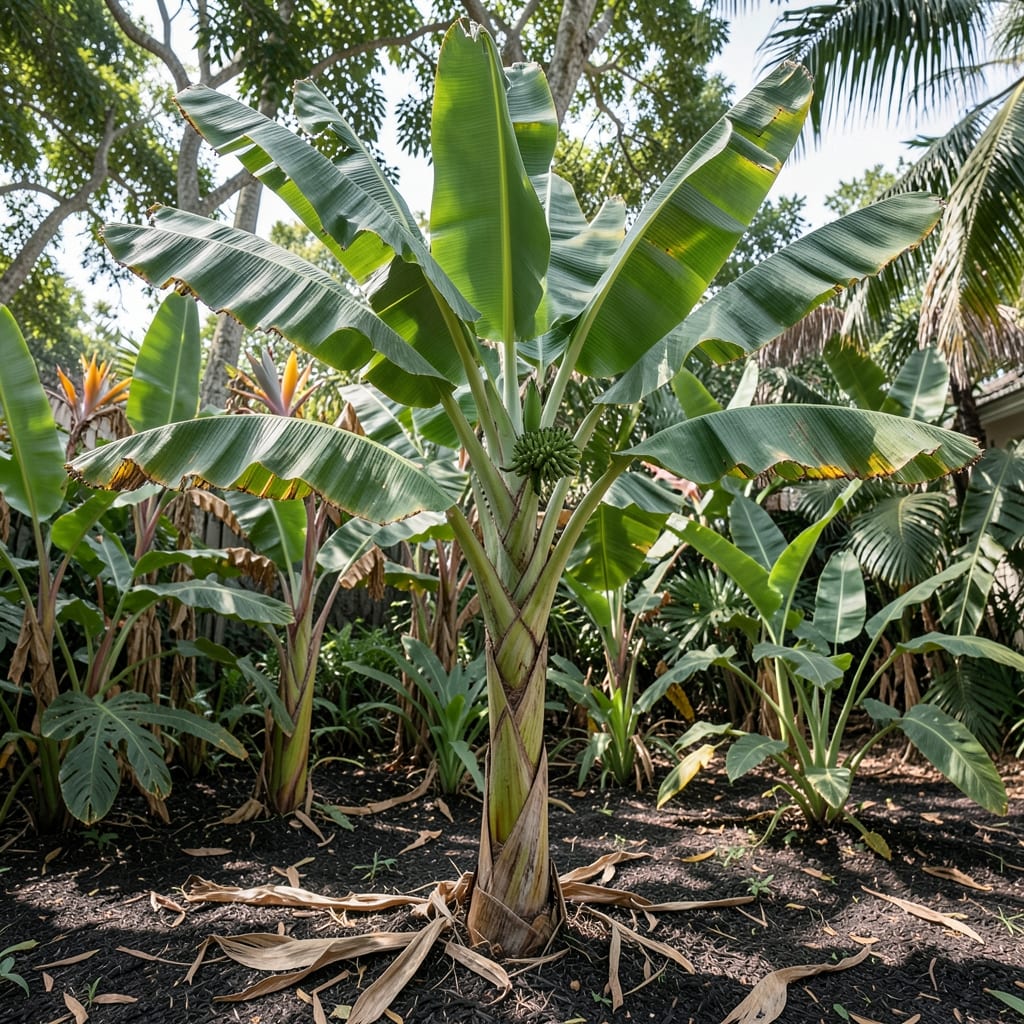
If you’ve ever wondered how tall do banana plants grow, the answer might surprise you—some varieties stretch taller than a two-story building, while others fit neatly on your patio. Picture this: a 🍌 plant reaching 25 feet in your backyard or a dwarf variety staying under 10 feet in a container. The difference comes down to the variety you choose and how you care for it.
Banana plants thrive in General (Tropical/Subtropical) climates, but even in cooler zones like 10-12, you can grow them indoors or in greenhouses. Whether you’re dreaming of a jungle-like centerpiece or a compact kitchen garden, understanding height ranges helps you pick the perfect 🍌 for your space. Let’s break down the varieties and what influences their growth so you can plan accordingly.
The key to managing height lies in selecting the right type—dwarf bananas stay under 10 feet, while standard varieties can soar to 25 feet. Climate, soil, and sunlight play huge roles too, but with the right care, even tall varieties can be controlled. I’ll show you how to estimate growth early and keep your plant at the ideal height for your home.
Ready to transform your garden—or balcony—into a banana paradise? You’ll learn which varieties suit containers, how to prune for manageable size, and even how to predict growth before planting. Let’s get started!


Banana plant height by variety: from dwarf to towering giants
Banana plants aren’t one-size-fits-all—some varieties grow as tall as a three-story building, while others stay cozy in 5-gallon pots. The difference comes down to genetics, care, and climate. If you’re planning your garden layout, knowing these height ranges helps you avoid surprises. For example, a Dwarf Cavendish might reach just 6-10 feet, while a Grand Nain can tower to 20+ feet. Let’s dive into the specifics so you can pick the perfect variety for your space.
Most banana plants grow in three distinct height categories: dwarf (6-10 feet), semi-dwarf (10-15 feet), and standard (15-25 feet). The variety you choose isn’t just about aesthetics—it also affects fruit size, yield, and even how much sunlight your plant needs. For instance, taller varieties often produce larger bunches but require more space, while dwarf types are ideal for containers or small yards. Whether you’re a city dweller with a balcony or a backyard enthusiast, there’s a banana for you.
🌱 Pro Tip: Always check the mature height before buying. Nurseries often sell young plants that look identical but grow into very different sizes. A 3-foot plant today could be a 20-foot giant in two years!
| Variety | Height Range | Best For | Notes |
|---|---|---|---|
| Dwarf Cavendish | 6–10 ft | Containers, patios | Compact, great for small spaces |
| Lady Finger (Dwarf Red) | 8–12 ft | Ornamental, small yards | Red fruit, cold-hardier than others |
| Ice Cream Banana | 10–15 ft | Edible flowers, small gardens | Sweet, creamy fruit; edible blooms |
| Cavendish | 15–20 ft | Large gardens, commercial | Most common grocery store type |
| Grand Nain | 18–25 ft | Tropical backyards | Giant fruit bunches, needs space |
| Red Dacca | 12–18 ft | Ornamental, frost-tolerant | Cold-hardy, red fruit, dramatic leaves |
| Blue Java | 15–22 ft | Tropical climates | Large, sweet fruit; needs heat |
| Manzano | 10–14 ft | Small farms, containers | Small fruit, high yield, cold-tolerant |
Climate plays a huge role in how tall your banana plant grows. In USDA Zones 10-12, where frost is rare, banana plants thrive year-round and can reach their full height potential. But in cooler zones, even dwarf varieties might struggle to mature if temperatures dip below 50°F (10°C). For example, a Lady Finger in Florida could hit 12 feet, while the same plant in California’s coastal fog might only reach 8 feet. Sunlight is another critical factor—6+ hours of direct sun per day fuels rapid growth, while shade slows it down.
Soil quality also impacts height. Banana plants crave rich, well-draining soil with plenty of organic matter. If your soil is poor or compacted, roots can’t expand, stunting growth. Amend with compost or aged manure before planting to give your banana the nutrients it needs to reach its full potential. I once had a Cavendish that barely grew past 12 feet because of rocky soil
How to estimate your banana plant’s future height before planting
Predicting your banana plant’s height before planting is easier than you think—just look at the leaf size and pseudostem thickness. Larger leaves and thicker stems usually mean a taller variety. For example, the 'Dwarf Cavendish' starts with smaller leaves, staying under 10 feet, while 'Grand Nain' leaves are massive, signaling heights up to 25 feet. Even as a young plant, you can spot growth potential!
Climate plays a huge role too. In tropical zones 10-12, bananas grow fastest, reaching mature height in 12-18 months. Cooler zones slow growth, but greenhouse or container gardening can mimic ideal conditions. If you’re in USDA zone 9, expect 20-30% slower growth unless you provide extra warmth.
Soil quality affects height too. Bananas thrive in well-draining, nutrient-rich soil with a pH of 5.5-7.0. Poor soil stunts growth, while rich compost can boost height by 30%. I always amend my soil with aged manure and banana peel compost (yes, it works!) to give my plants the best start.
Here’s how to estimate height early: measure the distance between leaf nodes (the gaps where leaves attach). Taller varieties like 'Cavendish' have 12-18 inches between nodes, while dwarfs like 'Red Dwarf' have just 6-10 inches. Multiply node spacing by the number of visible leaves to guess mature height!
🌱 Key Takeaways for Height Estimation
- Leaf size: Bigger leaves = taller plant (e.g., 'Grand Nain' vs. 'Dwarf Cavendish').
- Node spacing: Measure gaps between leaves to predict height (e.g., 12" nodes = taller growth).
- Climate zone: Tropical zones (10-12) = faster growth; cooler zones slow height gain.
- Soil quality: Rich soil with compost can increase height by 30%.
- Early care: Proper watering and sunlight in the first 6 months set the stage for mature size.
Pro Tip: Start with a dwarf variety if space is limited—you’ll still get fruit without the skyscraper!
Sunlight is another critical factor. Bananas need 6+ hours of full sun daily to reach their full height. In shadier spots, growth slows, and plants may stay 20-30% shorter. If you’re growing indoors near a south-facing window, supplement with a grow light for 12 hours a day to mimic tropical conditions.
Finally, don’t forget about watering consistency. Deep, regular watering encourages strong pseudostem growth, while drought stress can stunt height. I water my banana plants every 2-3 days in summer, adjusting for heat. A moisture meter helps track soil levels—aim to keep the top 6 inches consistently damp but not soggy.
By combining these factors—leaf size, climate, soil, sunlight, and water—you can accurately predict whether your banana plant will be a balcony-friendly dwarf or a backyard jungle giant. Start with the right variety, and you’ll have the perfect-sized plant for your space! 🪴