
Flowers
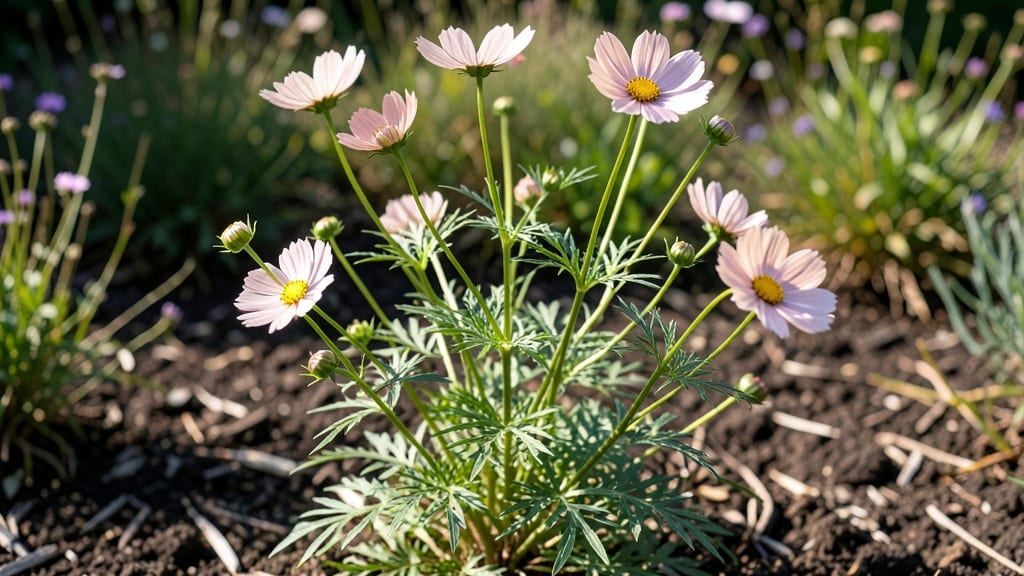
Exact heights of popular cosmos flower varieties compared
Cosmos flowers offer a stunning range of heights, from petite dwarf varieties perfect for containers to tall giants that create dramatic garden focal points. Understanding these differences helps you plan your garden layout and choose the best varieties for your space.
Whether you have a small balcony or a sprawling backyard, there’s a cosmos height that will fit perfectly.
Most cosmos varieties fall into three height categories: dwarf (1-2 feet), medium (2-4 feet), and tall (4-6 feet). The height you choose can dramatically impact your garden’s aesthetics, from delicate borders to towering cut flower arrangements.
Below, I’ve compared the most popular cosmos varieties to help you visualize their mature sizes and ideal planting scenarios.
| Variety | Mature Height | Color Palette | Best For |
|---|---|---|---|
| Sensation Mix | 1–2 ft | Pink, white, red | Containers, borders, cutting gardens |
| Bright Lights Mix | 2–3 ft | Deep red, burgundy, pink | Back of borders, mass planting |
| Seashells Mix | 3–4 ft | White, blush, pink | Cut flowers, cottage gardens |
| Sonata Series | 4–5 ft | Pink, white, yellow | Tall borders, cut flower arrangements |
| Cosmos bipinnatus 'Ruby Red' | 5–6 ft | Deep red | Backdrop plant, tall arrangements |
If you’re working with limited vertical space, dwarf cosmos varieties like Sensation Mix are ideal for window boxes, patio pots, or small garden beds. Their compact size makes them perfect for adding color without overwhelming your space.
For cut flower arrangements, taller varieties like Sonata Series or Ruby Red provide stunning stems that can reach up to 6 feet, making them excellent for bouquets and floral displays.
When planning your garden, consider mixing heights to create visual interest. For example, pairing 2-foot dwarf cosmos with 4-foot tall varieties in the same border creates a layered effect that draws the eye.
This technique works beautifully in cottage gardens, where a mix of heights and textures adds depth and charm. Plus, cosmos are self-seeding, so once established, they’ll return year after year with minimal effort on your part.
For container gardening, stick to dwarf or semi-dwarf varieties like Sensation Mix or Bright Lights Mix. A 12-inch pot can comfortably accommodate a single dwarf cosmos plant, while a 16-inch container can hold 2-3 plants for a fuller look.
If you’re growing cosmos in hanging baskets, choose the smallest varieties to ensure they don’t become top-heavy or outgrow their space.
One of the most underutilized features of cosmos is their ability to thrive in poor soil. Unlike many flowers, cosmos don’t require rich, fertile soil to reach their full height.
In fact, well-draining soil with average fertility is often enough to produce healthy, vibrant blooms. This makes them a fantastic choice for beginner gardeners or those with less-than-ideal soil conditions.
If you’re aiming for maximum height, provide your cosmos with full sun exposure (6-8 hours daily) and consistent watering during their first few weeks. Once established, they become drought-tolerant, but giving them a deep watering once a week will encourage taller, stronger stems.
Avoid over-fertilizing, as cosmos prefer leaner soil and may become leggy if overfed.
For cut flower enthusiasts, the tallest cosmos varieties like Ruby Red or Sonata Series are game-changers. Their long, sturdy stems can produce cut flowers that last 7-10 days in a vase, making them a favorite for long-stemmed arrangements.
To encourage continuous blooming, deadhead spent flowers regularly, which also helps maintain the plant’s height and shape.
Exact heights of popular cosmos flower varieties compared
Cosmos flowers come in a stunning array of heights, from compact dwarf varieties perfect for containers to tall giants that can anchor your garden borders. Knowing these height ranges helps you plan your garden layout and choose the perfect varieties for your space.
Whether you have a small balcony or a sprawling backyard, there's a cosmos variety that will thrive and bloom beautifully.
The dwarf cosmos varieties are ideal for small gardens, containers, and window boxes. These varieties typically reach heights between 1 to 2 feet, making them perfect for adding color to patios, balconies, or even as edging plants in flower beds.
Their compact size also makes them easier to maintain and less prone to flopping in windy conditions.
| Variety | Height Range | Best For | Notes |
|---|---|---|---|
| Sensation Mix | 1–2 ft | Containers, borders, window boxes | Compact, prolific bloomer, great for cut flowers |
| Bright Lights | 2–3 ft | Cut flower gardens, mixed borders | Striking foliage, long stems, great for arrangements |
| Seashells | 3–4 ft | Back of borders, cottage gardens | Delicate petals, classic look, attracts pollinators |
| Sonata | 4–6 ft | Tall borders, cut flower fields | Tallest variety, sturdy stems, excellent for bouquets |
| Double Click | 2–3 ft | Containers, mixed beds, cut flowers | Double blooms, compact, long-lasting flowers |
For gardeners with limited space, Sensation Mix and Double Click are excellent choices. These dwarf cosmos varieties stay under 2 feet tall, making them perfect for small gardens, hanging baskets, or even as a colorful border along walkways.
Their compact size also means they require less staking and support, which is a bonus for busy gardeners.
If you're looking to create a dramatic backdrop or add height to your garden, consider Sonata or Seashells varieties.
These tall cosmos varieties can reach heights of up to 6 feet, making them ideal for the back of borders, cottage gardens, or even as a focal point in a mixed flower bed. Their height also makes them perfect for cut flower arrangements, providing long stems for stunning bouquets.
When planning your garden, think about how the height of cosmos will interact with other plants. Taller varieties like Sonata can provide a stunning backdrop for shorter flowers like marigolds or zinnias, while dwarf varieties can spill beautifully over container edges or fill in gaps in your garden design.
Don’t forget to consider the mature height when spacing your plants to avoid overcrowding as they grow.
For a balanced look, mix different cosmos heights in your garden. Place taller varieties at the back of borders, medium-height varieties in the middle, and dwarf varieties at the front or in containers.
This layered approach not only creates visual interest but also ensures that every part of your garden gets the light and air circulation it needs to thrive. With the right placement, your cosmos flowers will create a stunning, low-maintenance display that blooms from summer to fall.