
How To
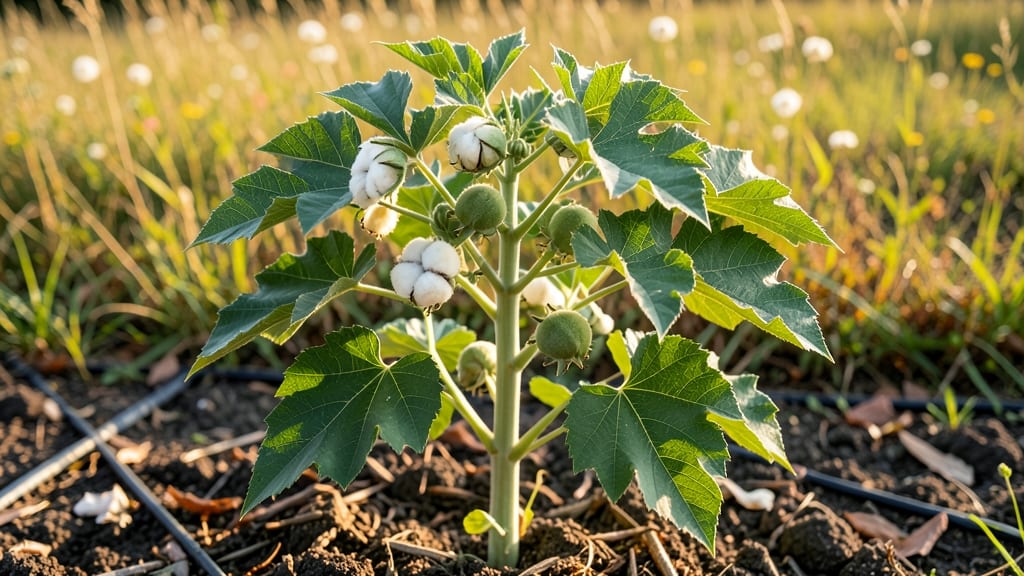
If you're dreaming of growing your own cotton—maybe for soft fabric or just the novelty of harvesting fluffy bolls—you're probably wondering: how tall do cotton plants grow and how much space they'll really need?
The answer isn't one-size-fits-all, but knowing the basics can save you from a garden full of tangled vines or stunted plants.
Most cotton varieties fall into three height categories: dwarf types (🌿 2–3 feet), medium-height plants (4–5 feet), and towering giants that can reach 8 feet or more.
Upland cotton, the most common type, typically lands in the 4–6 foot range, while Pima cotton—known for its long, silky fibers—can stretch toward 7–10 feet if given the right conditions.
Here's the catch: height isn't just about variety—soil quality, sunlight, and spacing play huge roles. In USDA Zone 6a, where spring planting kicks off in April, cotton thrives with full sun and well-drained soil.
Crowd them too closely, and you'll stunt their growth; give them room, and they'll reward you with lush, productive plants ready for harvest in September or October.
Whether you're a backyard gardener or a small-scale farmer, understanding these growth patterns is key to maximizing your yield. Let's break down the specifics so you can plan your cotton patch like a pro.


Cotton plant height by variety: dwarf, medium, and tall types explained
Cotton plants (Gossypium spp.) come in a stunning range of heights, from compact dwarf varieties perfect for small gardens to towering tall types that dominate large fields. The right variety for your space can make or break your harvest—especially since overcrowding reduces airflow and increases disease risk.
Let’s break down the height spectrum so you can choose wisely for your growing conditions.
Most home gardeners opt for upland cotton varieties, which are hardy and adaptable. These typically reach 4 to 6 feet tall, making them ideal for backyard plots. Meanwhile, Pima cotton varieties can stretch up to 8 to 12 feet, requiring more space and support.
For tiny gardens or containers, dwarf cotton varieties like 'Dwarf Upland' stay between 2 to 3 feet, perfect for patio growing.
Here’s the critical factor: growth habit. Most cotton plants grow in a bushy, upright form, but some varieties (like 'Sea Island cotton') develop a semi-climbing habit, needing trellises or stakes to reach their full height.
This affects not just space needs but also how you’ll harvest and manage the plants throughout the season.
Climate plays a huge role in height too. In hot, dry regions, cotton plants may grow taller and faster to escape heat stress, while cooler climates can stunt growth if temperatures dip below 60°F (15°C).
Soil fertility also impacts height—nutrient-rich soil encourages taller, more robust plants, while poor soil can lead to leggy, weak growth.
If you’re growing cotton for commercial purposes, tall varieties like 'Pima' are prized for their longer, stronger fibers, but they demand wide spacing and deep soil. For home use (like making cotton balls or crafts), medium-height upland cotton strikes the best balance between yield and manageability.
For home gardeners, I recommend starting with standard upland cotton if you have a 4x4 ft plot or larger. These varieties produce enough bolls for small projects without overwhelming your space.
If you’re experimenting with container growing, dwarf varieties are your best bet—they’ll thrive in 5-gallon pots with proper drainage and support.
One common mistake is assuming taller cotton means better yield. In reality, overcrowded tall plants produce fewer bolls due to poor airflow and increased humidity. Always follow spacing guidelines (we’ll cover this in the next section!) to ensure your plants grow strong and healthy.
Proper spacing also makes harvesting easier—no one wants to wrestle with tangled vines!
Pro tip: If you’re growing cotton in USDA Zones 7–10, consider trellising tall varieties to save space and improve airflow. Use sturdy stakes or a tomato cage to support the plants as they grow.
This not only maximizes your garden’s efficiency but also reduces the risk of fungal diseases like boll rot.
Remember, cotton plants are annuals, so their height is a one-season investment. Plan accordingly—whether you’re aiming for a small harvest or a large-scale crop, choosing the right variety and giving it the space it needs will pay off in fluffy, harvest-ready bolls by fall.
How much space do cotton plants need to grow without competition?
Cotton plants thrive when given the right amount of space, and their spacing needs depend entirely on the variety you're growing. Dwarf varieties like Deltapine 16 only need 18-24 inches between plants, making them perfect for small gardens or container growing.
Meanwhile, tall Pima cotton varieties can reach 8-12 feet tall and require 4-6 feet of space to prevent overcrowding and disease.
Proper spacing isn’t just about height—it’s also about airflow and sunlight. Cotton plants left too close together compete for resources, leading to stunted growth and fewer bolls. In commercial fields, rows are often spaced 36-48 inches apart to allow for equipment access and better pest management.
For home gardens, 24-36 inches between rows is ideal for most varieties.
| Variety | Plant Spacing | Row Spacing | Best For |
|---|---|---|---|
| Dwarf Upland (e.g., Deltapine 16) | 18-24 inches | 24-30 inches | Small gardens, containers |
| Medium Upland (e.g., Stoneville 506) | 24-36 inches | 36-42 inches | Home gardens, raised beds |
| Tall Pima (e.g., Pima S-7) | 4-6 feet | 48-60 inches | Large farms, open fields |
| Sea Island (e.g., Sea Island 12) | 3-5 feet | 48-54 inches | Warm climates, specialty crops |
To calculate how many plants you can fit in your space, multiply the plant spacing by the number of plants per row, then divide your row length by that total.
For example, if you’re growing Deltapine 16 with 24-inch spacing in a 10-foot row, you can fit about 5 plants. For taller varieties like Pima cotton, reduce the number by half or more to avoid shading and disease.
Companion planting can also help maximize space efficiency. Pair cotton with legumes like peas or beans, which fix nitrogen in the soil, or marigolds to repel pests. Avoid planting cotton near potatoes or tomatoes, as they compete for the same nutrients and attract similar pests.
If space is limited, consider intercropping with shorter plants like okra or sweet potatoes to make the most of your garden layout.
One common mistake is assuming that taller cotton varieties will automatically produce more yield. In reality, overcrowding reduces airflow, increasing the risk of fungal diseases like boll rot and insect infestations.
If you’re growing tall varieties in a small space, prune aggressively to encourage bushier growth and remove any branches that block sunlight from reaching the lower bolls.
For container growing, choose dwarf varieties and use large pots (at least 18 inches deep) with well-draining soil. Place containers in full sun and water deeply every 2-3 days to mimic the moisture levels of in-ground planting.
Just remember: even in containers, proper spacing is key—don’t let roots become root-bound, or your plants will struggle to reach their full potential.