
How To
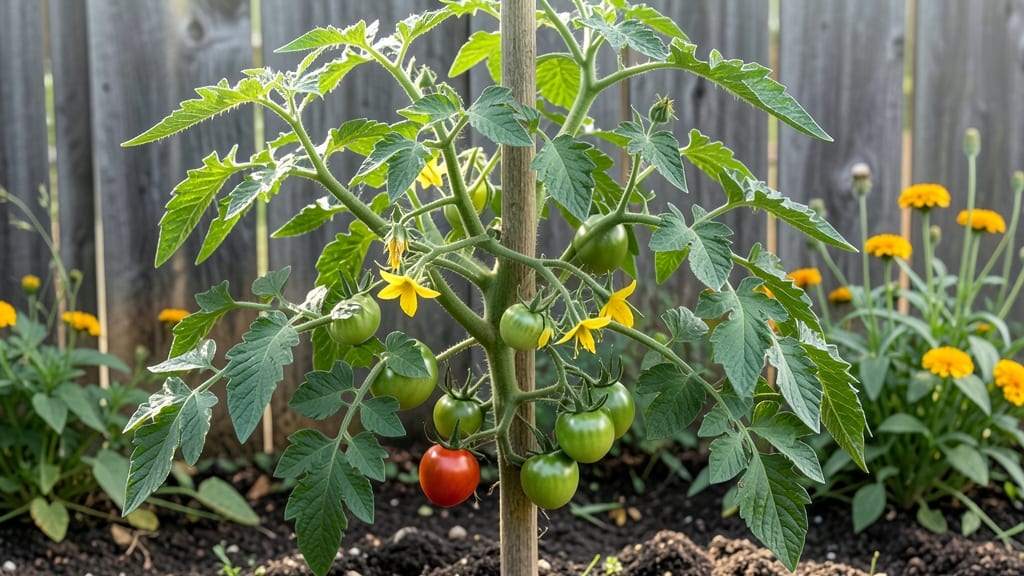
If you're planning to grow Rutgers tomatoes in your garden, one of the first questions you'll ask is how tall they'll get. This classic variety can reach heights of 4 to 6 feet, making it a perfect choice for gardeners with vertical space to spare.
Understanding the growth pattern of Rutgers tomatoes is key to ensuring a healthy, productive plant. These indeterminate varieties don’t stop growing until frost, so providing the right support early on is crucial.
Without proper care, they might sprawl instead of climbing, which can limit their yield and make harvesting more difficult.
In this guide, I’ll break down everything you need to know about managing the height of your 🍅 Rutgers tomatoes, from when to stake them to how much space they’ll need.
Whether you’re a beginner or a seasoned gardener, these tips will help you maximize your harvest while keeping your plants happy and healthy.
Let’s dive into the specifics so you can give your tomatoes the support they deserve and enjoy a bountiful season.


Rutgers tomato height guide: expected growth stages & final size
Rutgers tomatoes are indeterminate varieties, meaning they don’t stop growing until frost hits. On average, these heirlooms reach 5 to 7 feet tall at maturity, with some exceptional plants climbing even higher in ideal conditions.
Their vigorous growth habit makes them perfect for trellises or tall cages, but proper support is key to prevent sprawling and disease.
From seed to harvest, Rutgers tomatoes follow a predictable growth pattern. Seedlings start small (6–12 inches) but shoot up rapidly after transplanting. By 6–8 weeks, they’ll need support as vines reach 3–4 feet.
Without proper care, their uncontrolled sprawl can lead to broken stems or fungal issues from wet foliage touching the soil.
In my Zone 6a garden, Rutgers tomatoes typically hit 6 feet by mid-summer and continue growing until the first frost.
Warmer climates (Zones 7–10) can push them to 7+ feet, while cooler regions may see slightly shorter plants. Pruning practices also influence height—aggressive pruning keeps plants shorter but reduces yield, while minimal pruning encourages taller growth.
Here’s how Rutgers compares to other popular tomato varieties in terms of height:
| Variety | Type | Mature Height | Notes |
|---|---|---|---|
| Rutgers | Indeterminate | 5–7 ft | Classic heirloom; needs strong support |
| Cherry Tomatoes (Sweet 100) | Indeterminate | 4–6 ft | Smaller fruit; prolific producer |
| Beefsteak (Brandywine) | Indeterminate | 6–8 ft | Large fruit; slower growth |
| Roma (Plum) | Determinate | 3–4 ft | Bushy; no trellis needed |
To maximize height and yield, space Rutgers tomatoes 3–4 feet apart in rows spaced 4–5 feet apart. This spacing ensures adequate airflow, reducing the risk of blight and other fungal diseases that thrive in crowded, humid conditions.
I’ve found that vertical training (tying vines to a trellis or stake) not only saves space but also makes harvesting easier and improves fruit quality.
One common misconception is that taller tomatoes always mean better yield. While Rutgers tomatoes can grow tall, focus on healthy foliage and fruit production rather than sheer height. Over-fertilizing with nitrogen can lead to excessive leafy growth at the expense of fruit.
Instead, use a balanced 10-10-10 fertilizer every 4–6 weeks to encourage both height and fruit development.
In my experience, pruning suckers (the shoots that grow between the main stem and branches) helps direct energy toward fruit production rather than unnecessary height.
I prune once a week during the growing season, removing suckers larger than 2 inches to maintain a manageable size while still allowing the plant to reach its full potential height.
If you’re growing Rutgers tomatoes in containers, expect slightly shorter plants (4–5 feet) due to root restrictions. Use large pots (15+ gallons) with tomato-specific potting mix and deep watering to compensate for limited space.
Containers also allow you to rotate plants for even sunlight exposure, which is crucial for consistent growth.
For gardeners in shorter growing seasons (like Zone 5), consider early planting and row covers to extend the season. Rutgers tomatoes can tolerate cooler temperatures better than many varieties, but protect young plants from late frosts.
In my garden, I’ve had success using black plastic mulch to warm the soil and straw mulch to retain moisture, both of which support taller, healthier plants.
Remember, the key to managing Rutgers tomato height lies in balance: provide support, prune strategically, and monitor growth closely. With the right care, you’ll enjoy bountiful harvests from plants that reach their full 5–7 foot potential—without sacrificing flavor or health.
Rutgers tomato height guide: expected growth stages & final size
Rutgers tomatoes are indeterminate varieties, meaning they grow continuously throughout the season until frost stops them. On average, these plants reach a mature height of 5 to 7 feet, though some may exceed 8 feet in ideal conditions.
Their vigorous growth makes them perfect for trellises or tall cages, but proper support is key to prevent sprawling and disease.
The growth journey starts small: seedlings are only 6 to 12 inches tall when transplanted. By mid-summer, they’ll shoot up 1 to 2 feet per month if given full sun, rich soil, and consistent watering.
In cooler climates, growth may slow slightly, but Rutgers tomatoes remain productive even in shorter seasons.
Here’s a quick comparison of Rutgers tomatoes to other common varieties:
| Variety | Growth Habit | Mature Height | Notes |
|---|---|---|---|
| Rutgers | Indeterminate | 5–7 ft | Classic heirloom, needs strong support |
| Cherry Tomatoes (e.g., Sweet 100) | Indeterminate | 4–6 ft | Smaller fruit, prolific producer |
| Beefsteak (e.g., Brandywine) | Indeterminate | 6–8 ft | Large fruit, slower growth |
| Bush Early Girl | Determinate | 3–4 ft | Compact, no support needed |
Pruning plays a huge role in managing height. If you pinch suckers (side shoots) regularly, Rutgers tomatoes will focus energy on fewer, larger fruit and may grow 1 to 2 feet taller than unpruned plants.
However, skipping pruning can lead to bushier growth with smaller tomatoes. Balance is key—aim for 3 to 5 main stems for optimal yield and structure.
In container gardens, Rutgers tomatoes may max out at 4 to 5 feet due to limited root space. Use large pots (at least 15-gallon capacity) and deep containers to encourage upward growth.
Add a tomato cage or stakes early to guide their vertical development, as containers offer less stability than in-ground planting.
Climate also affects height: Rutgers tomatoes in Zone 8 or warmer may grow 10% taller than those in Zone 6 or cooler. Longer growing seasons give plants more time to stretch, while shorter seasons limit their potential.
Always account for your local frost dates when planning support structures—you don’t want a 7-foot plant collapsing under its own weight before harvest!