
How To
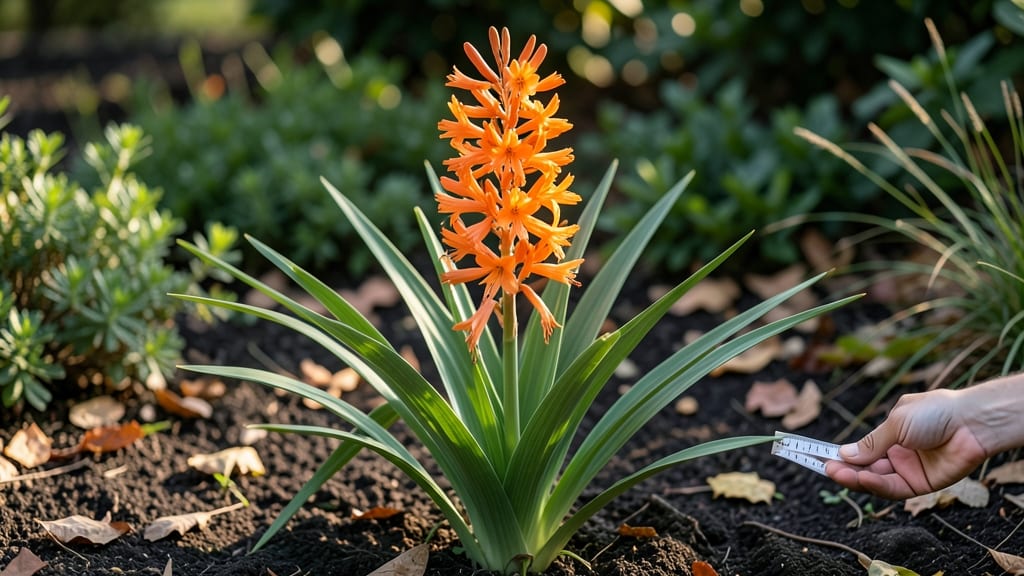
If you’ve ever wondered how tall do Crocosmia grow in your garden, the answer might surprise you—these fiery blooms can reach heights of 2 to 3 feet when given the right conditions, but their size depends on more than just genetics.
Picture this: vibrant 🌺 Crocosmia plants bursting with color, swaying gently in your garden beds or containers. While most varieties stay in that 2-3 foot range, some can stretch taller, especially in warmer climates like USDA Zone 6a. The key?
Proper spacing, sunlight, and soil prep can make all the difference in how they grow.
Whether you’re working with compact varieties or letting them reach their full potential, understanding their growth habits helps you plan your garden layout. You’ll learn which factors influence their height and how to encourage lush, healthy blooms year after year.
From dwarf types perfect for small spaces to towering varieties that steal the show, we’ll break down everything you need to know. Let’s dive in and make sure your Crocosmia thrives at the perfect height for your garden!


Crocosmia height ranges by climate zone: what to expect in your region
Crocosmia plants are famous for their dramatic, arching flower spikes that burst with color from summer to fall. But how tall will they grow in your garden? The answer depends on your USDA hardiness zone, the specific variety you choose, and even your soil conditions.
In general, most Crocosmia varieties reach 12–48 inches tall, but their growth patterns shift dramatically across regions.
For example, cold-hardy varieties like Crocosmia × crocosmiiflora thrive in USDA zones 5–7 and typically max out at 24–36 inches, while tropical hybrids in zones 8–9 can stretch toward 40–48 inches. Understanding these ranges helps you plan spacing, support structures, and even companion plants to avoid overcrowding.
Let’s break down what to expect in your specific zone, including seasonal growth patterns that influence height. Whether you’re in a cool mountain climate or a hot desert region, these insights will help you grow Crocosmia to its full potential without sacrificing your garden’s layout.
| USDA Zone | Mature Height Range | Best Varieties | Seasonal Notes |
|---|---|---|---|
| Zones 5–6 | 12–24 inches | 'Emily McKenzie', 'George Davison' | Slower early growth; prune aggressively in fall to encourage taller spikes next year. |
| Zones 7–8 | 24–36 inches | 'Lucifer', 'Fireworks' | Rapid spring growth; stake taller varieties to prevent flopping in summer rains. |
| Zones 9–10 | 36–48 inches | 'Solfatare', 'Coccinea' | Continuous blooming; mulch heavily to retain moisture and support tall stems. |
🌱 Pro Tip: In cooler zones, plant corms deeper (3–4 inches) to protect roots and encourage taller growth.
Your local climate plays a bigger role in Crocosmia height than you might think. For instance, high-altitude gardens in zone 6 often see shorter plants (18–24 inches) due to cooler temperatures, while low-desert areas in zone 9 can push varieties like Coccinea to 48 inches with intense summer heat.
Even within a zone, microclimates matter—south-facing beds get 20% taller spikes than north-facing ones.
Another factor is soil fertility. Crocosmia thrives in well-draining, slightly acidic soil (pH 6.0–6.5). Amend clay soil with compost or sand to prevent root rot, which stunts growth. In poor soil, expect heights to shrink by 10–15%.
Test your soil in early spring—adding bone meal or compost can boost height by 6–12 inches for taller varieties.
Seasonal care also impacts height. In zones 5–7, prune back dead foliage in late fall to redirect energy to next year’s growth. Skip this in zones 8–10, where Crocosmia’s evergreen habit supports taller stems year-round.
Overwatering in winter can cause rotting corms, leading to stunted or uneven growth—always let soil dry slightly between waterings.
If you’re growing Crocosmia in containers, expect heights to be 10–20% shorter than in-ground plants due to root restriction. Choose large pots (18+ inches wide) and use a lightweight potting mix to avoid compacting roots.
Varieties like ‘Lucifer’ (18 inches) thrive in containers, while ‘Emily McKenzie’ (36 inches) needs staking or a support cage.
For border gardens, aim for 12–18 inches of space between plants to allow airflow and prevent fungal diseases that weaken stems. In mixed borders, pair taller Crocosmia (36+ inches) with grasses or sedges to create height layers without overpowering smaller perennials.
In rock gardens, dwarf varieties like ‘George Davison’ (12–18 inches) add color without dominating the space.
Remember, first-year growth is often 50% of mature height. A 24-inch variety might only reach 12 inches its first year, then double in size by year two.
Patience pays off—well-established Crocosmia not only grow taller but also multiply aggressively, creating natural clumps that fill gaps in your garden over time.
To summarize, Crocosmia height is a dynamic balance of genetics, climate, and care. By matching your zone, variety, and soil to your garden’s needs, you can enjoy firework-like blooms at just the right scale—whether you’re a small-space gardener or a border enthusiast.
Start with the right variety for your zone, amend your soil, and give them room to shine!
Crocosmia height ranges by climate zone: what to expect in your region
Crocosmia plants are known for their dramatic, firework-like blooms that add vertical interest to gardens. But how tall do they grow? The answer depends on your USDA hardiness zone and the specific variety you choose.
In cooler climates like Zone 5, expect shorter, hardier varieties reaching 12–24 inches, while tropical hybrids in Zone 9 can tower up to 36–48 inches. Understanding these ranges helps you plan spacing and support for their arching flower spikes.
Your local climate isn’t just about temperature—it’s also about seasonal frost and growing season length. Crocosmia planted in Zone 6–7 typically matures at 24–36 inches, with peak blooms in late summer.
In warmer zones, varieties like ‘Emily McKenzie’ can stretch toward 4 feet, but they may need staking to prevent flopping. Let’s break down what to expect where you garden.
🌱 Crocosmia Height by USDA Zone
| Zone | Mature Height | Best Varieties | Growth Notes |
|---|---|---|---|
| 5–6 | 12–24" | ‘Lucifer’, ‘George Davison’ | Cold-hardy; shorter but hardier |
| 7–8 | 24–36" | ‘Emily McKenzie’, ‘Sir John Falstaff’ | Ideal height for borders; needs support |
| 9–10 | 36–48" | ‘Walton’s Red’, ‘Golden Yellow’ | Tropical hybrids; may need staking |
Height ranges based on optimal growing conditions. Varieties may vary slightly by region.
If you’re in Zone 5 or 6, focus on compact varieties like ‘Lucifer’, which stays under 2 feet and thrives in cooler soils. These varieties often produce denser blooms closer to the ground, making them perfect for front-of-border plantings.
In contrast, Zone 9 gardens can experiment with taller types like ‘Walton’s Red’, which adds dramatic vertical accents to mixed perennial beds.
Seasonal growth patterns also play a role. In northern climates, Crocosmia may take 2–3 years to reach full height, while southern varieties can bloom at their mature size in just one growing season.
To encourage consistent height, ensure your plants get 6+ hours of sunlight and well-draining soil. Amend heavy clay with compost to prevent root rot, which can stunt growth.
For gardeners in transitional zones (Zone 7–8), consider ‘Sir John Falstaff’, a mid-height variety at 30–36 inches that balances bloom density and structure. This variety is also drought-tolerant once established, making it ideal for low-maintenance gardens.
Pair it with grasses or ornamental onions to create a layered look without overcrowding.
Pro tip: If your Crocosmia starts leaning or flopping, it’s not necessarily a height issue—it’s often a support problem. Use bamboo stakes or peony rings to guide taller varieties without restricting airflow.
And remember, pruning spent blooms in early fall encourages next year’s growth, keeping your plants vigorous and upright.
Now that you know what to expect, your next step is choosing the right variety for your space. Whether you’re aiming for compact elegance or dramatic height, Crocosmia’s versatility makes it a star in any garden design.