
Trees
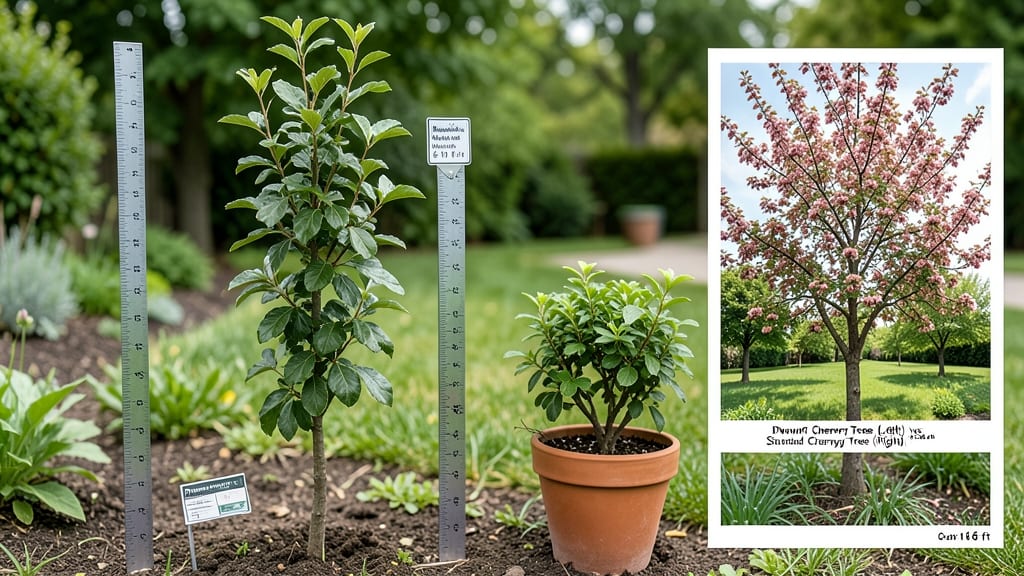
If you’ve ever dreamed of enjoying fresh, homegrown cherries but lack the space for a full-sized tree, dwarf cherry trees could be your perfect solution—but how tall do they really grow? The answer might surprise you, especially if you’re picturing a tiny bonsai.
These little powerhouses typically reach between 6 and 10 feet at maturity, making them ideal for small gardens or urban spaces where room is limited.
What sets dwarf cherry trees apart is their ability to deliver big flavor in a compact package. While they won’t dwarf your yard, their manageable height means you can place them closer to patios, decks, or even large containers.
The key to keeping them at their sweet spot? Understanding your specific variety, as some like the 'Compact Stella' stay shorter, while others may stretch toward the upper end of the range.
Beyond height, these trees thrive with the right care—think full sun, well-draining soil, and a little pruning love to shape their growth.
Whether you’re a first-time gardener or a seasoned green thumb, learning how to nurture your 🍒 dwarf cherry tree ensures you’ll enjoy not just smaller trees, but a bountiful harvest year after year.
In this guide, I’ll break down the exact heights of popular dwarf varieties, share pruning secrets to control growth, and reveal how to maximize fruit production—even in tight spaces. Let’s get growing!


Dwarf cherry tree height guide: exact mature sizes by popular varieties
If you're considering adding a dwarf cherry tree to your garden, knowing the exact mature height of each variety is crucial for planning. While "dwarf" suggests compact growth, some varieties can still reach surprising heights—often between 6 to 12 feet at maturity.
The key difference lies in the rootstock used during grafting, which directly influences both height and fruit production.
Not all dwarf cherry trees are created equal. Some, like the 'Compact Stella', stay under 8 feet, making them ideal for small yards or container growing. Others, such as the 'Black Tartarian', can stretch toward 12 feet if left unpruned.
Understanding these variations helps you choose the perfect tree for your space while maximizing fruit yield.
Below is a detailed comparison of popular dwarf cherry varieties, including their mature heights, growth habits, and ideal planting scenarios. This guide will help you visualize how each variety fits into your landscape and whether it aligns with your gardening goals.
| Variety | Mature Height | Growth Habit | Best For |
|---|---|---|---|
| 'Stella' | 8–10 ft | Upright, moderate spread | Small yards, urban gardens |
| 'Compact Stella' | 6–8 ft | Compact, rounded | Containers, patios, balconies |
| 'Black Tartarian' | 10–12 ft | Vigorous, upright | Larger gardens, fruit production |
| 'Montmorency' | 8–10 ft | Semi-dwarf, bushy | Ornamental and fruit |
| 'Lapins' | 6–8 ft | Dwarf, spreading | Small spaces, hedging |
| 'Sweetheart' | 6–9 ft | Weeping, ornamental | Decorative landscaping |
| 'Morello' | 8–10 ft | Upright, dense | High fruit yield, small gardens |
🌱 Note: Heights can vary based on pruning and soil conditions.
When selecting a dwarf cherry tree, consider not just height but also the variety's fruit production and growth rate. For example, the 'Compact Stella' may be shorter, but it produces fewer cherries than the 'Black Tartarian'.
If space is limited but you want a high yield, opt for a semi-dwarf variety like 'Montmorency', which balances size and productivity.
Another critical factor is the rootstock used during grafting. Dwarf rootstocks, such as Gisela 5 or Gisela 6, restrict growth significantly compared to semi-dwarf rootstocks like Lovell. Always check the rootstock when purchasing to avoid surprises in mature height.
For urban gardeners or those with limited space, container-growing is an excellent option. Varieties like 'Compact Stella' thrive in large pots (at least 18-inch diameter) and can be placed on patios or balconies.
Just ensure the container has proper drainage and you provide full sun exposure to maintain healthy growth.
If you're planning to plant multiple trees for cross-pollination, account for the mature spread of each variety. Some, like the 'Sweetheart' weeping cherry, have a wider canopy than their height suggests. This means you’ll need extra space to accommodate their horizontal growth while keeping them at a manageable height.
One common misconception is that all dwarf cherry trees stay under 6 feet. While some varieties like 'Lapins' fit this description, others can easily reach 10 feet or more without proper pruning. Always research the specific variety and its growth characteristics before making a purchase.
To ensure your dwarf cherry tree stays within your desired height range, plan for regular pruning and training from the first year. This not only controls height but also encourages a stronger structure and better fruit production.
In the next section, we’ll dive into pruning techniques tailored for dwarf cherry trees to keep them at your ideal height.
How to control dwarf cherry tree height: pruning tips for optimal growth
Keeping your dwarf cherry tree at the perfect height isn’t just about aesthetics—it’s about maximizing fruit production and ensuring your tree thrives in your space. Even "dwarf" varieties can grow taller than expected if left unchecked, so pruning is key.
With the right techniques, you can maintain a manageable height while encouraging a full, productive canopy.
Pruning also improves air circulation and sunlight penetration, which reduces disease risk and boosts fruit quality. The best time to prune is late winter or early spring, just before new growth begins. Avoid heavy pruning in fall, as it can stimulate vulnerable new growth before winter.
Start by removing any dead, diseased, or crossing branches—these compete for resources and can stunt your tree’s growth. Next, focus on shaping the tree by cutting back overly long branches to maintain your desired height.
For most dwarf varieties, aim to keep the tree between 6 to 10 feet tall, depending on the variety and your space.
Use sterilized pruners to cut out any branches showing signs of disease or damage. This prevents the spread of pathogens to healthy parts of the tree.
Identify branches rubbing against each other and remove the weaker one. This improves airflow and reduces the risk of wounds.
Cut back suckers and water sprouts (fast-growing vertical shoots) to encourage a bushier, more productive shape.
Trim the tallest branches by about 1/3 of their length to maintain your desired height. Focus on the upper canopy first.
Remove all pruned branches and sterilize your tools with rubbing alcohol to prevent contamination.
One common mistake is pruning too aggressively, which can stress the tree and reduce fruit production. Instead, aim for gradual pruning—never remove more than 25% of the canopy in a single session. For container-grown dwarf cherries, you’ll need to prune more frequently to control height and encourage compact growth.
If your tree is already taller than desired, don’t panic. You can slow its growth by pruning in stages over a few years. Focus on the topmost branches first to reduce overall height while maintaining a balanced shape.
With consistent care, your dwarf cherry tree will stay within your space’s limits while still producing a bountiful harvest.
For best results, combine pruning with proper fertilization and watering. A well-fed tree with consistent moisture will recover faster from pruning and grow more evenly. Keep an eye on your tree’s growth habits throughout the season, and adjust your pruning plan as needed.