
Trees
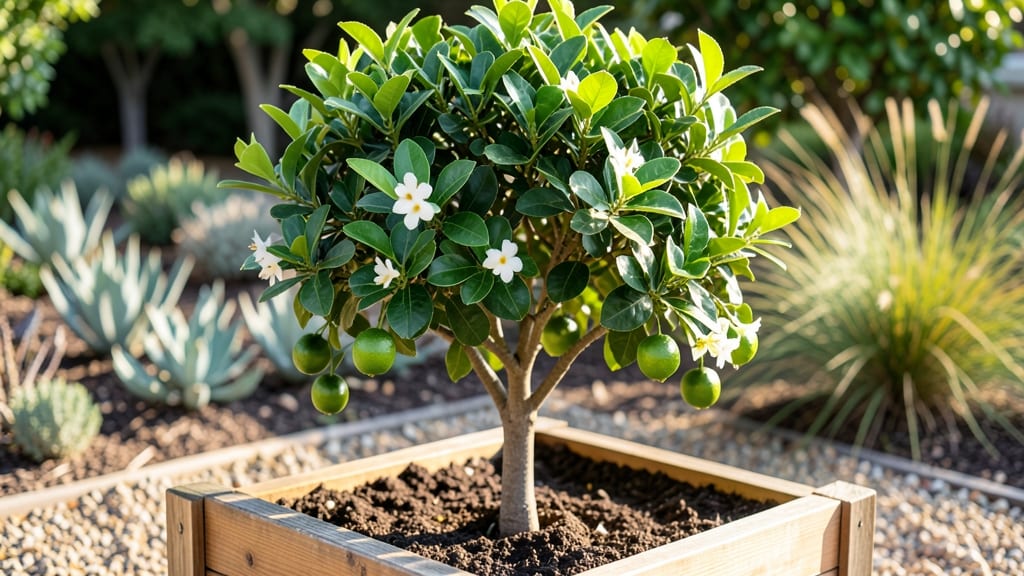
Dwarf lime tree height guide: what to expect by variety
If you’re eyeing a dwarf lime tree for your backyard or balcony, knowing its mature height is key to planning your citrus garden. Unlike their full-sized counterparts that tower 20–30 feet, dwarf varieties stay compact—typically reaching 6–12 feet at maturity.
But not all dwarf limes grow the same! Varieties like the 'Meyer Lime' or 'Improved Meyer' often cap out around 8–10 feet, while others like 'Dwarf Bearss Lime' might stretch closer to 12 feet if left unpruned.
The height you’ll see depends on two big factors: the variety you choose and whether you’re growing it in containers or in the ground. Container-grown dwarf limes rarely exceed 6–8 feet because their root systems are restricted, while in-ground trees have more room to spread.
Even then, regular pruning can keep them even shorter—ideal for small spaces or urban gardens.
Here’s the breakdown of what to expect from popular dwarf lime varieties, including their growth rates and spacing needs:
| Variety | Mature Height (ft) | Growth Rate (ft/year) | Ideal Spacing (ft) | Container-Friendly? |
|---|---|---|---|---|
| 'Meyer Lime' | 8–10 | 1–2 | 6–8 | ✅ Yes (5–15 gal) |
| 'Improved Meyer' | 6–8 | 0.5–1.5 | 4–6 | ✅ Yes (3–7 gal) |
| 'Dwarf Bearss Lime' | 10–12 | 1.5–2.5 | 8–10 | ⚠️ Limited (10+ gal) |
| 'Tahiti Lime' | 6–9 | 1–1.5 | 5–7 | ✅ Yes (5–10 gal) |
For container growing, the 'Improved Meyer' and 'Tahiti Lime' are top picks because they thrive in 5–15 gallon pots without outgrowing their space. If you’re planting in the ground, give your tree at least 6–10 feet of clearance to avoid crowding roots and branches.
Overcrowding can stunt growth or attract pests, so spacing is just as important as the variety itself.
One common misconception is that dwarf lime trees stay small naturally without intervention. While they’re genetically smaller than standard limes, they’ll still grow taller if you skip pruning or use oversized containers.
Think of them like a bushy shrub—they need guidance to stay compact. I’ve seen 'Meyer Limes' in containers reach 10 feet if left unchecked, so plan accordingly!
If you’re growing dwarf limes in USDA Zones 6–10, expect faster growth in warmer climates. Cooler zones may see slower early-year growth, but with proper winter protection (like wrapping the pot or mulching the base), they’ll still thrive.
Just avoid planting them where frosts linger past April 15, as young trees are sensitive to cold snaps.
For urban gardeners or those with limited space, the 'Improved Meyer' is my go-to recommendation. It’s not only 6–8 feet tall at maturity but also produces sweeter, seedless limes—perfect for small patios or even a sunny windowsill.
Pair it with a 10-gallon pot and a trellis for vertical growth, and you’ll get limes without sacrificing your yard’s square footage.
Remember: The key to managing dwarf lime height is regular pruning and container size. A 5-gallon pot will keep a tree under 6 feet, while a 15-gallon pot might let it reach 8–10 feet.
Start small, monitor growth, and adjust as needed—your future lime harvest will thank you!
Dwarf lime tree height guide: what to expect by variety
Dwarf lime trees are the perfect choice for gardeners with limited space, but their mature height can still vary significantly depending on the variety and growing conditions.
Most dwarf lime trees reach 6 to 12 feet tall, but some stay as short as 4 to 6 feet with proper pruning. Understanding these differences helps you choose the right tree for your container, balcony, or small yard while maximizing fruit production.
For example, the Meyer lime—a popular hybrid—typically grows 8 to 10 feet tall when planted in the ground but can be kept smaller with regular pruning.
The Improved Meyer lime, a grafted dwarf version, stays 6 to 8 feet tall, making it ideal for patio gardens or large pots. Meanwhile, the Dwarf Bearss lime often maxes out at 6 to 7 feet, perfect for urban growers.
| Variety | Mature Height (ft) | Growth Rate (yr) | Ideal Spacing (in-ground) |
|---|---|---|---|
| Meyer Lime | 8–10 ft | 1–2 ft/year | 8–10 ft apart |
| Improved Meyer Lime | 6–8 ft | 1 ft/year | 6–8 ft apart |
| Dwarf Bearss Lime | 6–7 ft | 0.8–1 ft/year | 5–6 ft apart |
When grown in containers, dwarf lime trees stay 20–50% shorter than their in-ground counterparts due to restricted root growth. A 5-gallon pot may limit a tree to 4–6 feet, while a 15-gallon container allows 6–8 feet of height.
Always use well-draining soil and large drainage holes to prevent root rot, which can stunt growth.
Pruning plays a huge role in controlling height. Regular light pruning in late winter or early spring encourages bushier growth, while hard pruning (cutting back by 1/3) can reset an overgrown tree to a more manageable size.
Just avoid heavy pruning in summer or fall, as this can stress the tree and reduce fruit production.
If you’re planting in USDA Zones 9–11, dwarf lime trees thrive outdoors year-round. In Zones 6–8, grow them in containers and move them indoors during winter or use row covers to protect them from frost.
Cold snaps can damage leaves but rarely kill the tree if roots stay insulated.
For maximum fruit yield, provide full sun (6+ hours daily) and consistent moisture without waterlogging. Mulch around the base to retain moisture and regulate soil temperature, which helps the tree focus energy on growth and fruiting rather than stress responses.
With the right care, your dwarf lime tree can produce dozens of limes per year—even in a small urban garden!